Voice Artist Speaking Techniques
Breathing Mechanics
The Engine of Your Voice
You breathe automatically, but to speak with power and clarity, you need to control your breath consciously. The key isn't your chest; it's your diaphragm. Most people are 'shallow breathers,' using only the top portion of their lungs. This leads to a weak, unsteady voice that can't sustain long sentences. For professional communication, you need to master diaphragmatic breathing.
Think of your voice as a wind instrument and your lungs as the bellows. The diaphragm, a large dome-shaped muscle at the base of your lungs, is the pump. When you inhale correctly, your diaphragm contracts and moves downward. This creates space in your chest cavity, allowing your lungs to expand fully and draw in a maximum amount of air. When you exhale to speak, you control the upward movement of the diaphragm, releasing a steady, supported stream of air.
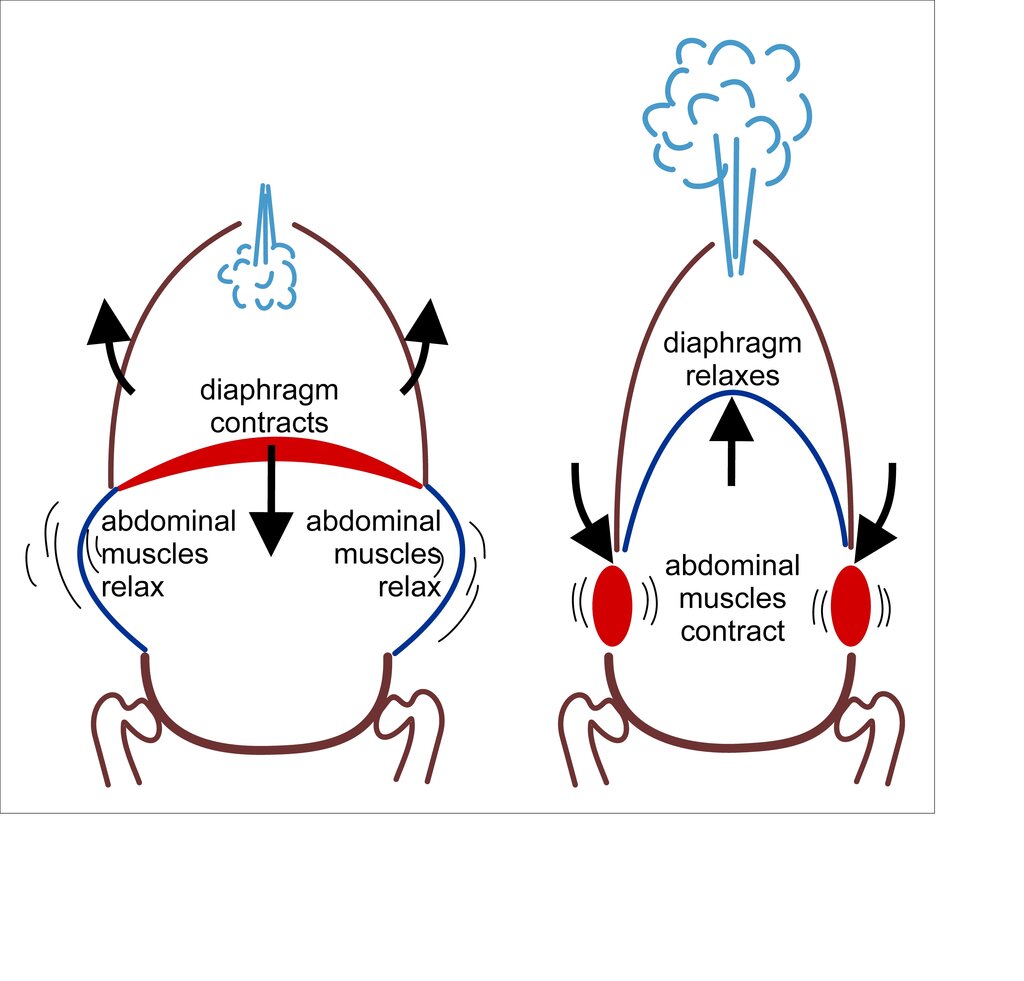
This controlled release is what we call breath support or appoggio. It’s the foundation for a strong, resonant voice. Without it, you’ll find your voice trailing off at the end of thoughts or dropping into a rough, crackling sound known as vocal fry.
Let’s try it. Sit or stand up straight. Place one hand on your chest and the other on your abdomen. Breathe in slowly through your nose. Your goal is to feel the hand on your abdomen rise while the hand on your chest stays relatively still. Now, exhale slowly through your mouth, making a soft 'sss' sound. Feel your abdomen gently contract as it pushes the air out. This is the fundamental motion of diaphragmatic control.
Diaphragm focus – Efficient use of the diaphragm for deep supported breaths is foundational for singers.
Posture and Power
Your posture directly impacts your breathing capacity. Slouching compresses your torso, restricting the diaphragm's movement and shrinking your lungs' available volume. To give your voice its full power source, you need to create an open and aligned physical structure.
Imagine a string pulling you up from the crown of your head. Your spine should be long, your shoulders relaxed and down, and your chest open but not puffed out. This neutral, aligned posture gives your diaphragm and rib cage maximum room to expand. A not only limits your air supply but also creates tension in your neck and throat, straining your vocal cords and leading to a pinched, less resonant sound.
This alignment is not rigid. It's about being grounded and relaxed. Your feet should be shoulder-width apart, with your weight evenly distributed. This stable base allows your upper body to remain free from tension. When you manage air correctly from this strong posture, you create consistent subglottic pressure, which is the air pressure below your vocal cords. This steady pressure is what eliminates vocal fry, replacing it with a clear, confident tone.
Try this: stand in a slumped, lazy posture and try to take a deep, satisfying breath. It's difficult. Now, stand tall, align your spine, and breathe again. The difference is immediate. Your body is now a clear, open channel for the air that powers your voice.
Now that you understand the mechanics, it's time to put them into practice.
What is the primary muscle you should engage for powerful, controlled breathing for speech?
When you inhale correctly for diaphragmatic breathing, your diaphragm contracts and moves in which direction?