Vlog Editing Business for Japan Tourism
Japan Travel Aesthetic
The Color of Japan
Your client's footage won't look like Japan until it feels like Japan. Color is your primary tool for this. Instead of applying a generic 'cinematic' look, you need a palette that tells a story. Think in terms of three distinct visual worlds.
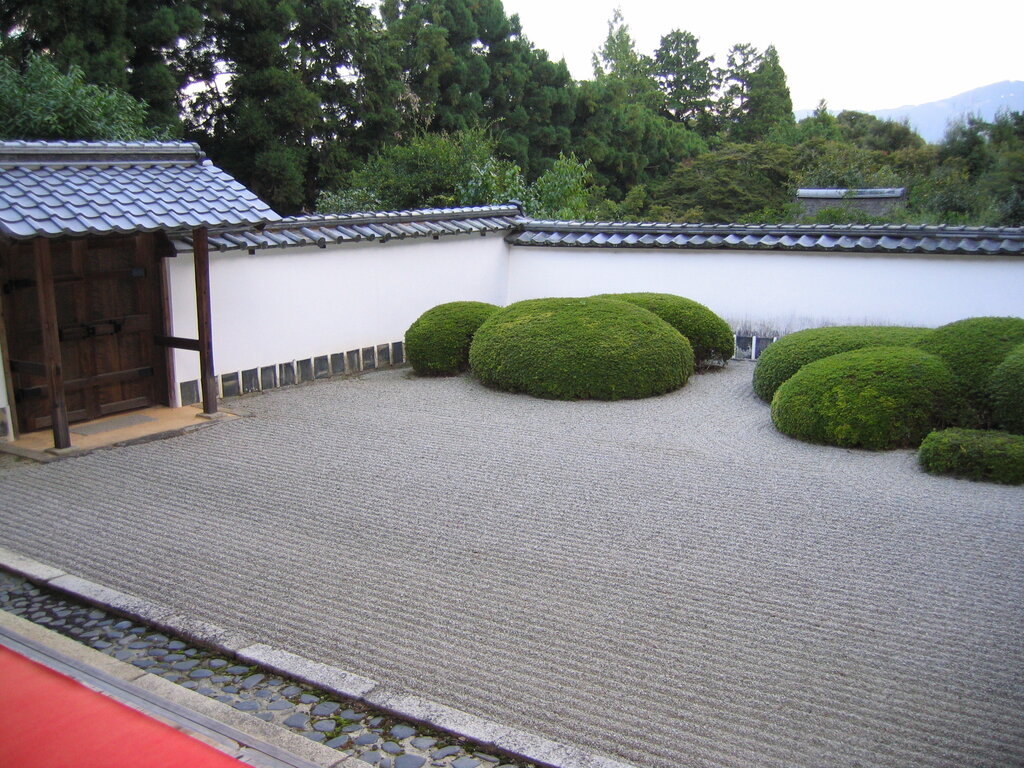
First, the world of serene nature. This is where you find deep, muted forest greens, the soft whites of mist over mountains, and the earthy browns of ancient wood. Your goal here is subtlety. Desaturate slightly, bring up the blacks just enough to add depth without crushing details, and let the natural colors breathe. Think of the quiet dignity of a moss-covered stone lantern in a Kyoto garden.
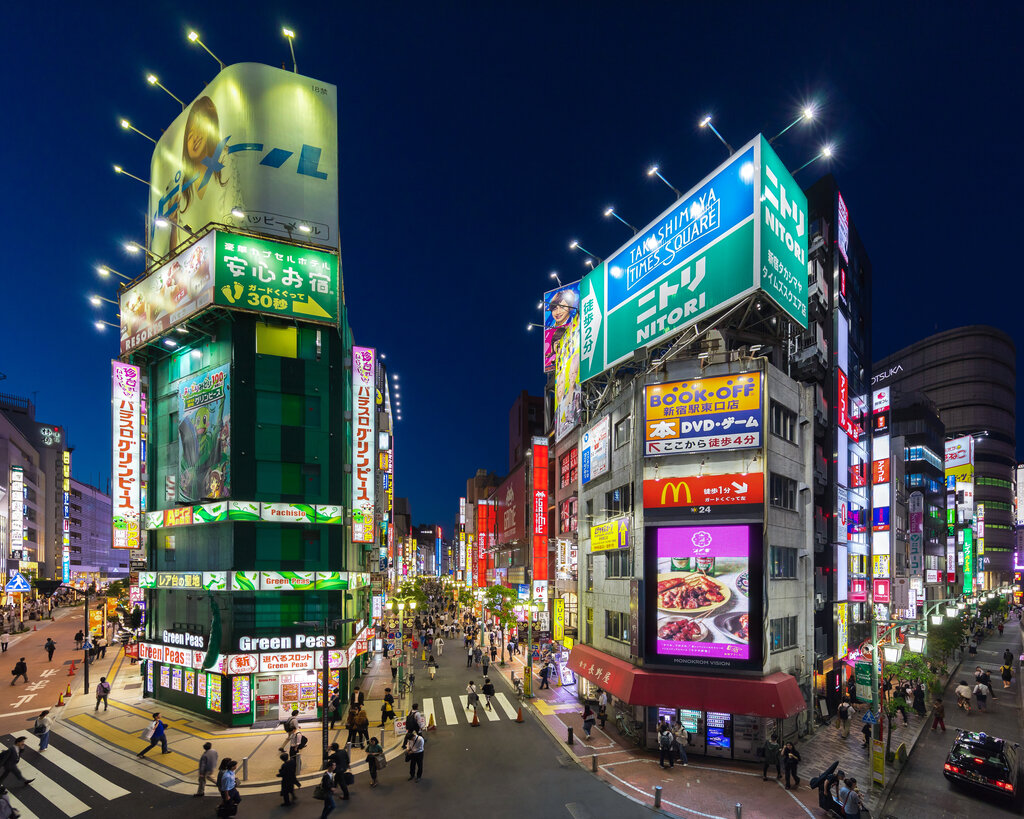
Next is the vibrant, electric world of the city. Here, you push the colors. The neon signs of Shinjuku and Akihabara should bloom with intense blues, magentas, and electric yellows. Embrace the lens flare and the reflections on wet pavement. This palette is about energy and overwhelming sensory input. Contrast these saturated colors against deep, inky blacks to make them pop.
Finally, there's the palette of muted tradition. This applies to interiors, crafts, and daily life. It’s the color of tatami mats, the faded indigo of a noren curtain, and the gentle pastels of wagashi sweets. These colors are soft, warm, and often have a slightly nostalgic feel. A gentle vignette or a subtle film grain texture can enhance this aesthetic, making it feel timeless.
Rhythm and Space
Many editors fill every second with action. To capture the Japanese aesthetic, you must do the opposite. You need to master Ma, the concept of negative space or the pause. It's not empty time; it's intentional space that gives the viewer a moment to feel, to absorb the atmosphere of a shot.
In practical terms, this means holding on a shot longer than you normally would. After a flurry of quick cuts in a busy market, hold for ten seconds on a shot of a single lantern swaying in the wind. Let the sound of a distant temple bell ring out over a static shot of a garden. This contrast between movement and stillness is the key. The pause gives the preceding action meaning and allows the beauty of a single moment to land with emotional weight.
Two Worlds, One Story
The visual narrative of modern Japan is a story of contrasts. It’s the juxtaposition of the ancient and the hyper-modern. Your editing should reflect this. Don't just show one or the other; show how they coexist. A powerful sequence might cut from the intricate wooden joinery of a temple to the sleek, metallic lines of a Shinkansen bullet train.
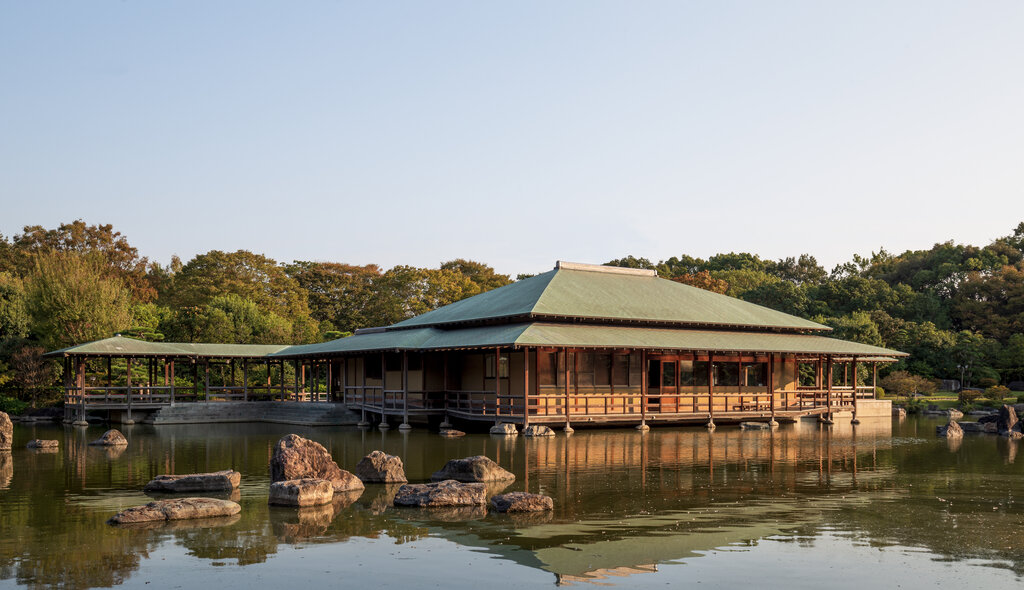
For rural and traditional scenes, focus on natural materials, textures, and asymmetry. Look for the wabi-sabi—the beauty in imperfection, like a cracked tea bowl or a weathered wooden gate. Frame your shots to emphasize the harmony between architecture and nature.
In urban scenes, focus on geometry, scale, and density. Use wide shots to show the sprawling cityscape, then cut to tight shots of details: the steam rising from a ramen shop, the reflection in a skyscraper window, the controlled chaos of a pedestrian crossing. This contrast creates a dynamic and honest portrait of Japan.
Sounding Authentic
Audio is half the experience. A generic synth track will shatter the illusion you've worked so hard to create. Instead, build a soundscape from authentic Japanese sounds. Your audio should follow the same rural vs. urban logic as your visuals.
| Environment | Key Sounds |
|---|---|
| Rural & Traditional | Cicadas humming, wind chimes (furin), flowing water (suikinkutsu), temple bells, footsteps on gravel, the clack of a shishi-odoshi (deer scarer). |
| Urban & Modern | Train station jingles, the specific 'beep' of a pedestrian crossing, the chatter from an izakaya, the sizzle of street food, the ambient hum of a city that never sleeps. |
When you do use music, choose wisely. Traditional instruments like the shakuhachi (bamboo flute) or koto can add a layer of deep cultural resonance to serene moments. For city scenes, consider Japanese electronic music, city pop, or ambient tracks that complement the visual energy without overpowering it. The goal is an immersive audio experience that transports the viewer.
Ready to test your knowledge? Let's see if you've grasped the core ideas for building the Japan travel aesthetic.
When creating the color palette for a bustling Tokyo city scene at night, which set of colors and characteristics should you emphasize to create an 'electric' feel?
In the context of Japanese-inspired video editing, what is the principle of 'Ma' (間)?
By mastering these specific visual and auditory motifs, you move beyond generic travel video editing. You become a storyteller, capable of capturing the unique feeling and aesthetic of Japan for your clients.