Vithoulkas and the Science of Homeopathy
Human Defense Mechanism
More Than Just Immunity
When we think of the body's defenses, we usually picture the immune system—white blood cells fighting off bacteria and viruses. But from a homeopathic perspective, the true defense system is much broader. It's an intelligent, dynamic energy field that works to maintain balance across every aspect of our being. This is the Human Defense Mechanism.
To understand it, we first need to see a person as existing on three distinct but interconnected levels, or planes: mental, emotional, and physical. These aren't just separate compartments; they form a clear hierarchy of importance. The mental plane is the deepest and most vital, encompassing our core consciousness, will, and reason. Next is the emotional plane, which includes our feelings, passions, and desires. The outermost level is the physical plane, the body itself—our tissues, organs, and biochemical processes.
Think of it like a set of nested spheres. The mental plane is the innermost core, the emotional plane is the middle layer, and the physical plane is the outer shell.
A Hierarchy of Protection
The Defense Mechanism's primary job is to protect the most important planes at all costs. It will always sacrifice a less vital level to preserve a more central one. When faced with a stressor—be it a virus, a psychological trauma, or an environmental toxin—the mechanism pushes the disturbance away from the center. It works to keep the mental and emotional planes clear and functional, even if it means creating a problem on the physical plane.
Defense Mechanism
noun
In homeopathy, this is not just the immune system, but a holistic, energetic system responsible for maintaining equilibrium across the mental, emotional, and physical planes of an individual. Its function is to protect the organism's core by deflecting disturbances to less vital areas.
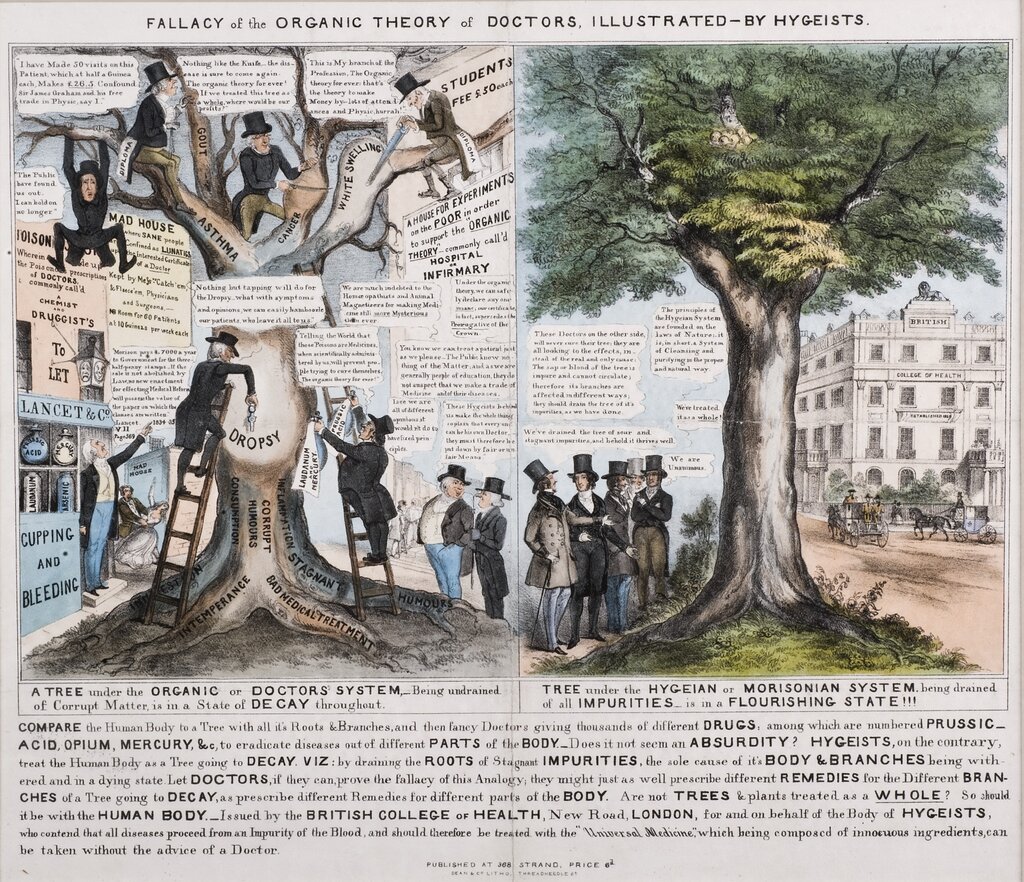
This is why symptoms appear. According to the influential homeopath George Vithoulkas, symptoms are not the disease itself. They are the visible, outward expression of the Defense Mechanism's struggle to restore balance and protect the core. A skin eruption, for example, is seen as the mechanism pushing an internal disorder outward, away from vital organs. Suppressing that rash with a cream might clear the skin, but it forces the disturbance back inward, potentially to a deeper, more important level like the lungs (asthma) or even the emotional plane (anxiety).
The Center of Gravity
Every chronic disease has a "center of gravity," which is the primary plane on which the Defense Mechanism is fighting its battle. A disease with a center of gravity on the physical plane, like arthritis, is considered less threatening to the whole person than one centered on the emotional plane, like a panic disorder. A disturbance on the mental plane, such as severe confusion or delusion, is the most serious of all, as it affects the very core of the individual.
By observing the totality of symptoms across all three planes, a homeopath can understand where the center of gravity lies and how the Defense Mechanism is attempting to cope. The goal is not just to eliminate the most obvious physical complaint, but to provide a stimulus that strengthens the Defense Mechanism itself, allowing it to resolve the disturbance at its core and restore true health from the inside out.
So, the next time you experience a symptom, consider it not as a simple failure of your body, but as evidence of a profound, intelligent system working tirelessly to protect what matters most.
Now, let's test your understanding of these core concepts.
From a homeopathic perspective, what is the primary function of the Human Defense Mechanism?
According to the homeopathic hierarchy, which of the following is the correct order of planes from most vital to least vital?