Vitamins and Supplements for Health
Introduction to Nutrition
The Building Blocks of Health
Your body is a complex machine, constantly working, repairing, and growing. To do all that, it needs fuel and building materials. These come from the food you eat in the form of nutrients. Nutrition is the study of these nutrients and how the body uses them. Nutrients are broadly divided into two categories: macronutrients and micronutrients. The names might sound technical, but the idea is simple. 'Macro' means large, and 'micro' means small. You need large amounts of macronutrients and small amounts of micronutrients.
Macronutrients are nutrients the body needs in large quantities to provide energy and support vital functions.
Let's break down what that really means.
Macronutrients The Big Three
Macronutrients are the heavy lifters of your diet. They provide the calories your body uses for energy. There are three types of macronutrients: carbohydrates, proteins, and fats.
Calorie
noun
A unit of energy. In nutrition, calories refer to the energy people get from the food and drink they consume, as well as the energy they use in physical activity.
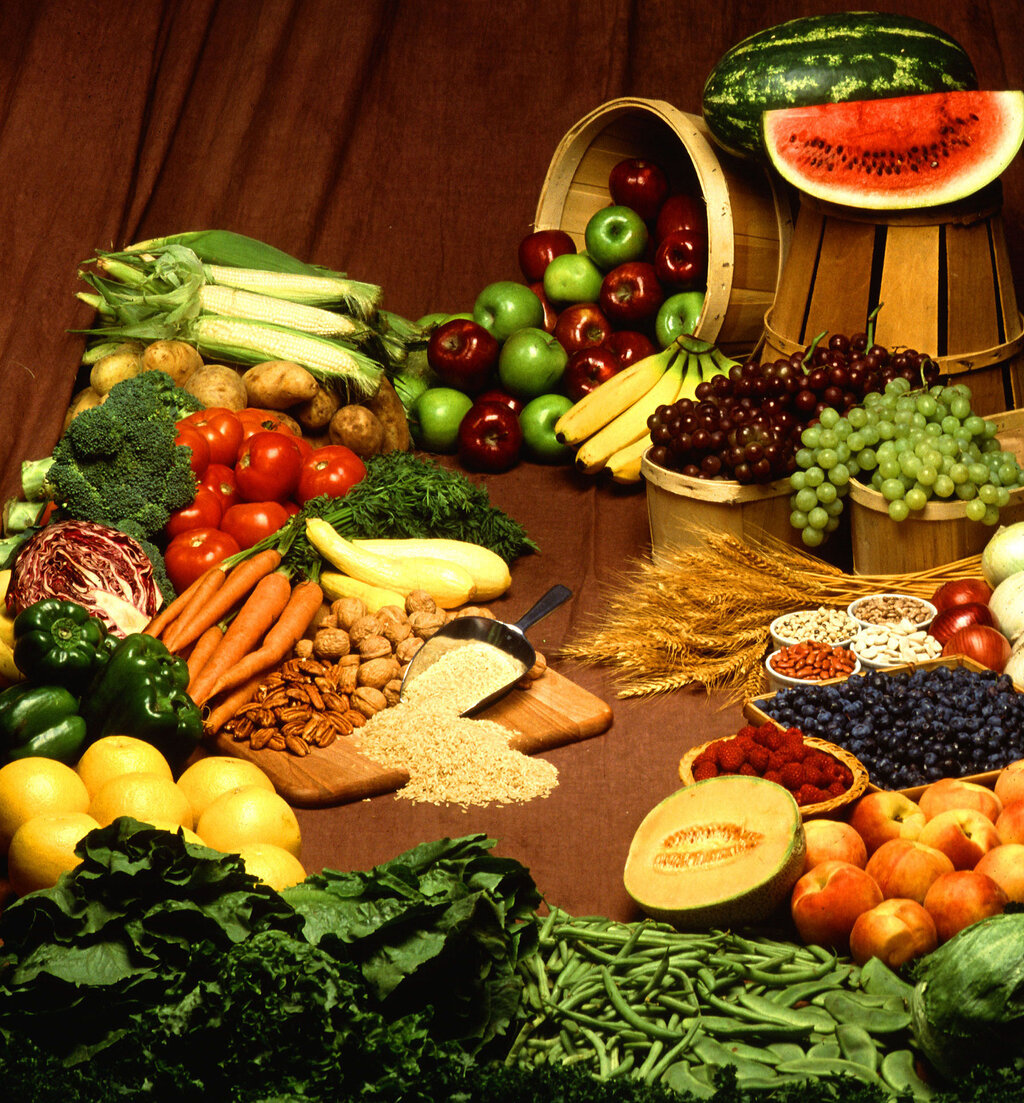
Carbohydrates are the body's main source of fuel. When you eat carbs, your body breaks them down into glucose, a type of sugar that your cells can easily use for energy. They're essential for powering your brain, muscles, and organs. You'll find them in foods like bread, pasta, fruits, and vegetables.
Proteins are the primary building blocks of the body. Think of them as the Lego bricks used to build and repair everything from muscles and bones to skin and hair. They are also crucial for making enzymes and hormones that regulate countless bodily processes. Good sources include meat, fish, beans, nuts, and tofu.
Fats often get a bad reputation, but they are vital for your health. They serve as a major energy reserve, protect your organs, help produce important hormones, and are necessary for absorbing certain vitamins. Healthy fats are found in foods like avocados, nuts, seeds, and olive oil.
Micronutrients Small but Mighty
Unlike macronutrients, you only need tiny amounts of micronutrients. They don't provide calories, but they are absolutely essential. Without them, your body can't perform many of its critical functions. Micronutrients are the vitamins and minerals that enable the chemical reactions in your body to happen efficiently.
Micronutrients are vitamins and minerals required in tiny amounts—but they play massive roles in keeping us healthy.
Vitamins are organic compounds that help with a wide range of functions, from boosting your immune system to helping your body get energy from food. For example, Vitamin C is crucial for fighting infections, while B vitamins are key players in energy metabolism.
Minerals are inorganic elements that are just as important. They provide structure to your body and help regulate processes. Calcium, for instance, is famous for building strong bones and teeth. Iron is essential for carrying oxygen in your blood, which is why a lack of it can make you feel tired.
From Food to Fuel
So how does your body get all this goodness from your food? It starts with digestion. Your digestive system breaks down food into smaller components. Carbohydrates become simple sugars, proteins turn into amino acids, and fats are broken into fatty acids.
These smaller molecules are then absorbed through the walls of your small intestine and into your bloodstream. From there, they are transported to cells all over your body. Metabolism is the sum of all the chemical reactions in your cells that convert these nutrients into the energy and materials you need to live.
Understanding this foundation is the first step in making informed choices about your diet. A balance of macronutrients and a sufficient supply of micronutrients are the cornerstones of good health, influencing everything from your energy levels to your mood.
Time to check your understanding of these core concepts.
What is the primary distinction between macronutrients and micronutrients mentioned in the text?
Which nutrient's main function is to act as the primary building blocks for the body, repairing tissues like muscles and skin?
With a solid grasp of macros and micros, you're well-equipped to explore how nutrition impacts every aspect of your well-being.