Vitamin Synergy
Vitamin Basics
The Building Blocks of Health
Vitamins are organic compounds that our bodies need to function correctly, but can't produce in sufficient quantities on their own. Think of them as essential helpers for a huge range of biological processes, from converting food into energy to fighting off infections. Because we can't make most of them, we have to get them from our diet.
Micronutrients are vitamins and minerals required in tiny amounts—but they play massive roles in keeping us healthy.
Vitamins fall into two main categories based on how they're absorbed and stored in the body. This distinction is key to understanding how we should consume them.
Fat-Soluble vs. Water-Soluble
The first group is the fat-soluble vitamins. As the name suggests, they dissolve in fat and are absorbed along with fats in your diet. Your body can store these vitamins in fatty tissues and the liver for later use. This means you don't necessarily need to consume them every single day.
The second group is the water-soluble vitamins. These dissolve in water, and they aren't stored in the body for long. Any excess is typically flushed out through urine. This is why you need to replenish your supply of water-soluble vitamins more regularly.
| Category | Vitamins Included | Storage in Body |
|---|---|---|
| Fat-Soluble | A, D, E, K | Stored in fat and liver |
| Water-Soluble | Vitamin C, B-complex vitamins | Not stored; excess is excreted |
The B-complex vitamins are a group of eight different vitamins, including B1 (thiamine), B2 (riboflavin), B3 (niacin), B5 (pantothenic acid), B6, B7 (biotin), B9 (folate), and B12.
What Do Vitamins Actually Do?
Vitamins are the unsung heroes of your body's daily operations. They act as coenzymes, which are molecules that help enzymes do their jobs. Imagine enzymes as the workers on an assembly line; vitamins are the specialized tools that allow those workers to build, repair, and maintain everything.
Their functions are incredibly diverse:
- Energy Production: B vitamins are crucial for converting the carbohydrates, fats, and proteins you eat into usable energy.
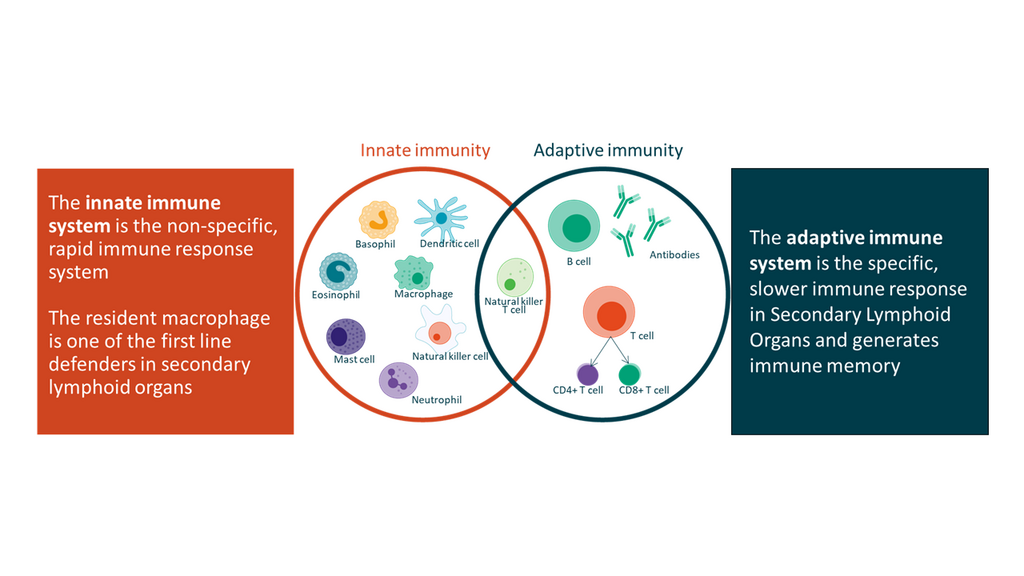
- Immune Function: Vitamins like C, D, and A are essential for a strong immune system that can fend off pathogens.
- Growth and Maintenance: They support the health of your bones (Vitamin D), skin (Vitamin A), and blood vessels (Vitamin C).
- Antioxidant Protection: Vitamins C and E act as antioxidants, protecting your cells from damage caused by unstable molecules called free radicals.
Getting What You Need
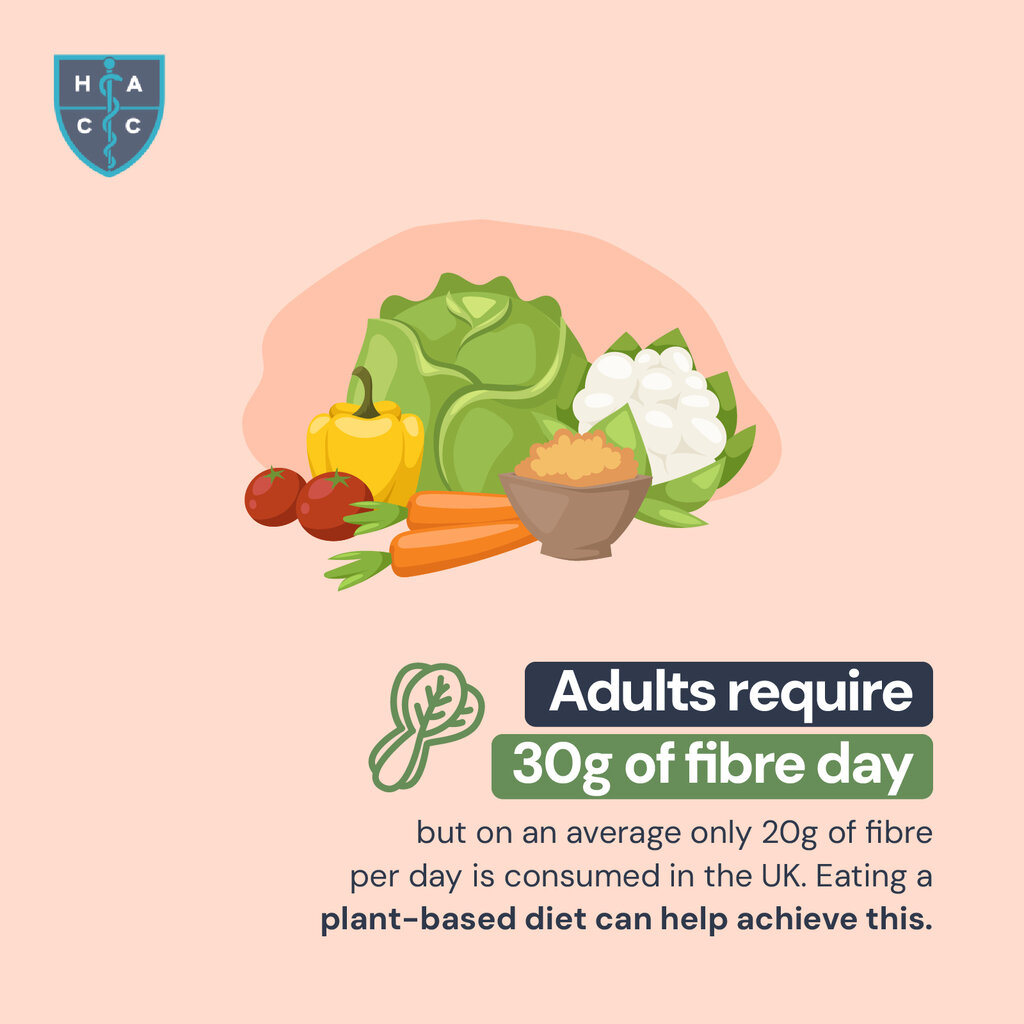
The best source of vitamins is a balanced and varied diet full of fruits, vegetables, lean proteins, and whole grains. Different foods provide different vitamins, which is why eating a wide range of them is so important. For example, citrus fruits are famous for Vitamin C, while carrots are packed with Vitamin A.
But how much of each vitamin do you need? Health organizations provide guidelines to help. Two key benchmarks are the Recommended Dietary Allowance (RDA) and the Tolerable Upper Intake Level (UL).
Recommended Dietary Allowance
noun
The average daily level of intake sufficient to meet the nutrient requirements of nearly all (97%–98%) healthy individuals.
The RDA is your target—the amount you should aim to get each day to stay healthy. On the other hand, the UL is a ceiling.
The Tolerable Upper Intake Level (UL) is the maximum daily intake of a vitamin that is unlikely to cause adverse health effects.
It's difficult to reach the UL from food alone, but it's possible when taking high-dose supplements. Staying below the UL is important for avoiding potential negative effects. You can find this information on the "Supplement Facts" label of vitamin products.
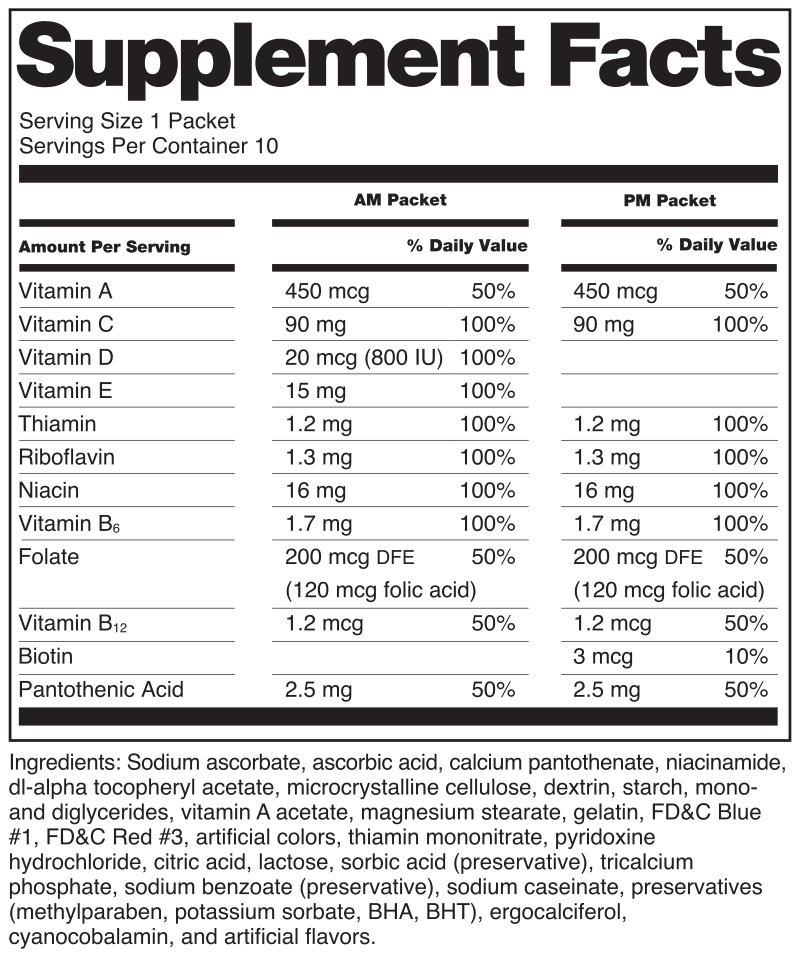
While supplements can help fill nutritional gaps, they aren't a substitute for a healthy diet. Food provides a complex mix of vitamins, minerals, fiber, and other beneficial compounds that work together in ways supplements can't replicate.
Based on how they are absorbed and stored, vitamins are classified into which two main categories?
Your body can store ______-soluble vitamins in the liver and fatty tissues, meaning you don't need to consume them every single day.
Understanding these basics is the first step toward making informed choices about your nutrition and health.