Vitamin D Metabolism and Health
Vitamin D Overview
The Sunshine Vitamin
Vitamin D is a group of fat-soluble secosteroids, a type of steroid with a broken ring in its chemical structure. This unique structure is crucial for its function in the body. Unlike most vitamins, which must be obtained from diet, Vitamin D can be synthesized by our own bodies with a little help from the sun. Think of it as a hormone as much as a vitamin.
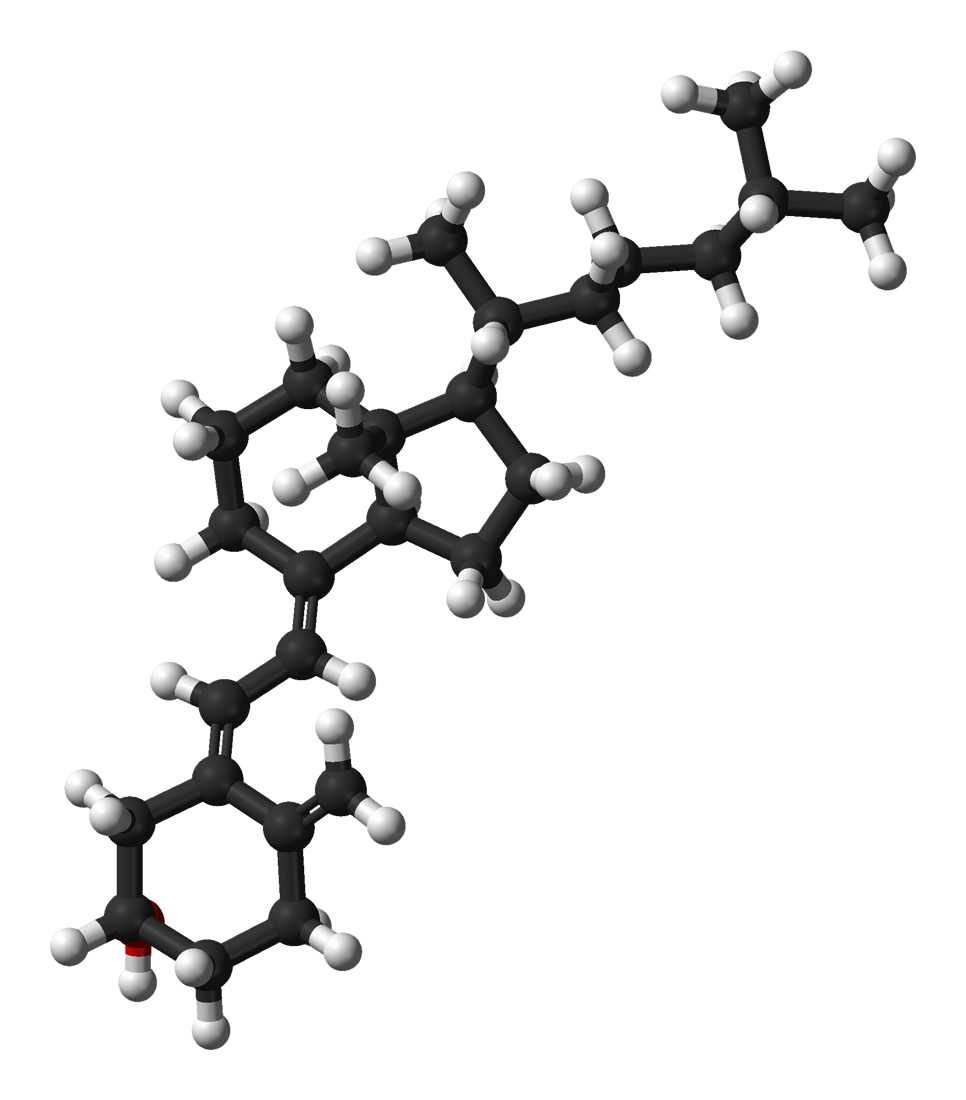
Its primary role has historically been associated with maintaining bone health by regulating calcium and phosphorus absorption. Without enough Vitamin D, our bodies can't effectively absorb calcium, which is essential for strong bones. This connection was key to its discovery in the early 20th century, as scientists searched for a way to cure rickets, a disease that causes soft and weak bones in children.
The Two Key Forms
When we talk about Vitamin D, we are usually referring to one of two main forms: Vitamin D2 and Vitamin D3. While both are important, they come from different sources and are metabolized slightly differently by the body.
-
Vitamin D2 (Ergocalciferol): This form is synthesized by plants and fungi when they are exposed to ultraviolet light. It's the type of Vitamin D you'd find in fortified plant-based milks and mushrooms.
-
Vitamin D3 (Cholecalciferol): This is the form synthesized by animals, including humans, in the skin. It is also found in animal-based foods.
| Feature | Vitamin D2 (Ergocalciferol) | Vitamin D3 (Cholecalciferol) |
|---|---|---|
| Primary Source | Plants, Fungi, Fortified Foods | Animal products, Synthesized in Skin |
| Common Name | Ergocalciferol | Cholecalciferol |
| Origin | Plant-derived (Ergosterol) | Animal-derived (7-dehydrocholesterol) |
Both forms are used by the body, but most evidence suggests that Vitamin D3 is more effective at raising and maintaining overall Vitamin D levels in the blood for longer periods than D2.
Natural Synthesis
The nickname "sunshine vitamin" is well-earned. Our bodies have a remarkable ability to produce Vitamin D3. The process starts in the skin with a precursor molecule called 7-dehydrocholesterol, a compound naturally present in our skin.
Our bodies make their own vitamin D out of a precursor chemical, 7-dehydrocholesterol, that absorbs UV-B rays from sunlight.
When the skin is exposed to ultraviolet B (UVB) radiation from the sun, the energy from the light converts 7-dehydrocholesterol into a substance called pre-vitamin D3. This pre-vitamin then quickly rearranges itself into Vitamin D3. From the skin, it enters the bloodstream and travels to the liver and kidneys to be converted into its active form.
Factors like time of day, season, latitude, and skin pigmentation can all affect the amount of Vitamin D your skin can produce.
Dietary Sources
While sunlight is the primary source for most people, Vitamin D can also be obtained through food. However, very few foods naturally contain significant amounts of it. The best natural sources are fatty fish and fish liver oils.
Common dietary sources include:
- Fatty fish like salmon, mackerel, and sardines
- Cod liver oil
- Beef liver
- Egg yolks
- Mushrooms (especially those exposed to UV light)
Because natural sources are limited, many common foods are fortified with Vitamin D. This means the vitamin is added during processing. Fortified foods include milk, breakfast cereals, orange juice, and yogurt.
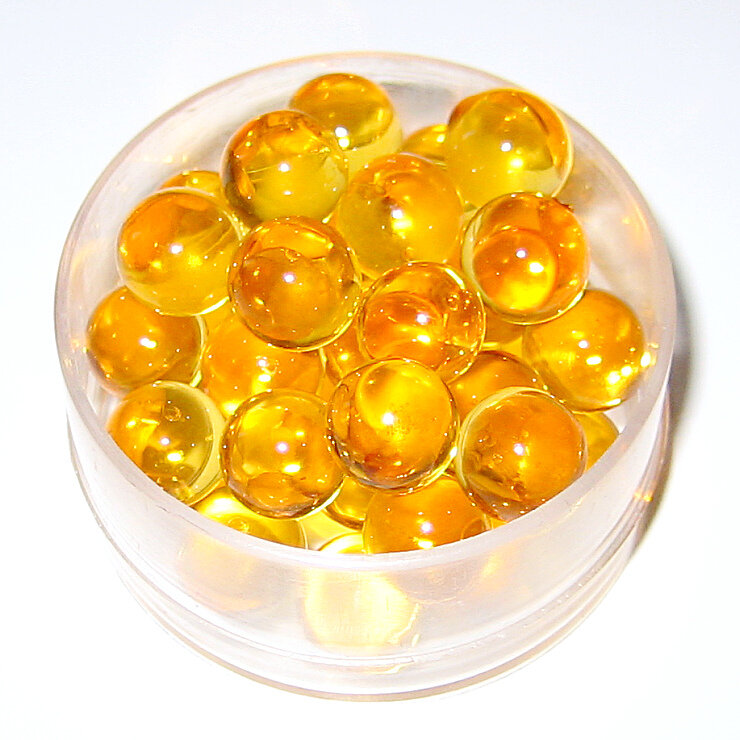
For those who have limited sun exposure or dietary intake, supplements are a common way to ensure adequate levels of Vitamin D. They are available in both D2 and D3 forms.
Now that you understand the basics of what Vitamin D is and where it comes from, test your knowledge.
What is the primary chemical classification of Vitamin D?
Which form of Vitamin D is synthesized by animals, including humans, when their skin is exposed to sunlight?
Understanding these fundamentals provides a solid base for exploring how Vitamin D functions throughout the body.