Visualizing Child Development Concepts
Understanding Child Development
The Blueprint of Growth
Children grow and change at an incredible pace, following a path that is both universal and deeply personal. Understanding the typical stages of development gives us a map for this journey. It helps us appreciate the small, amazing steps a child takes on their way to becoming a unique individual.
Development isn't just about getting bigger. It unfolds across several key areas at once. We look at physical growth, which is how children control their bodies. We also track cognitive growth, or how they think and learn. Finally, we observe social and emotional growth, which covers how they understand their feelings and interact with others.
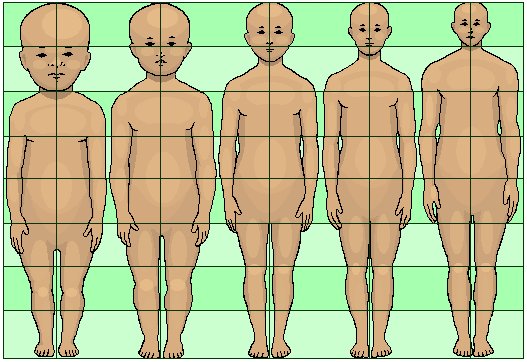
Think of these as different threads weaving together to create the full picture of a child. Each thread develops at its own rhythm, but they are all interconnected.
From Wiggles to Walking
Physical development is often the most obvious sign of growth. It starts with a newborn's reflexive wiggles and progresses to the complex, coordinated movements of an older child. This journey follows two general patterns. First, development moves from the head downwards. A baby gains control of their head and neck before their arms and legs. Second, it moves from the center of the body outwards. A child can control their torso and arms before they can master grasping with their fingers.
These milestones build on each other. A baby needs to be able to hold their head up before they can sit, and they need to sit before they can stand. Every new skill opens up a new way to explore the world.
| Age Group | Key Physical Milestones |
|---|---|
| Infancy (0–1) | Lifts head, rolls over, sits without support, crawls. |
| Toddler (1–3) | Walks and runs, climbs furniture, stacks several blocks. |
| Preschool (3–5) | Hops on one foot, catches a large ball, uses scissors. |
| School-Age (6+) | Rides a bike, has refined handwriting, plays sports. |
The most important thing to note when looking at milestones is that every child develops at their own rate.
How Thinking Takes Shape
Cognitive development is the amazing process of a child's mind growing. It's not just about learning more facts; it's about how their ability to think, reason, and solve problems changes over time. Famed psychologist Jean Piaget proposed that children move through distinct stages of thinking.
Initially, babies learn about the world purely through their senses and actions, a stage called the sensorimotor period. If they can't see or touch something, it essentially doesn't exist for them. As toddlers, they enter a preoperational stage. Here, they can use symbols and language, but their thinking is often illogical and centered on themselves. They might believe the moon follows them home.
By school age, children become more logical and organized thinkers during the concrete operational stage. They can understand concepts like conservation—the idea that a quantity stays the same even if its appearance changes (like pouring water into a different-shaped glass). Finally, as adolescents, many develop the ability for abstract thought in the formal operational stage, allowing them to ponder complex ideas and hypothetical situations.
This progression shows that children aren't just empty vessels waiting to be filled with information. They are active builders of their own understanding.
Connecting with the World
Social and emotional development is all about how children learn to understand themselves, connect with others, and manage their feelings. This journey starts in infancy as babies form attachments to their caregivers, learning to trust and feel secure. This first relationship becomes the foundation for all future ones.
As toddlers, they begin to develop a sense of self. This is the stage of big emotions and the classic struggle for independence, marked by frequent use of the word "no!" They learn by watching and imitating, and parallel play—playing alongside other children without directly interacting—is common.
Preschoolers start to understand the concept of sharing and taking turns. They form their first real friendships and their play becomes more imaginative and cooperative. As they grow into school-aged children, friendships become more complex and important. They develop empathy and start to understand social rules and the perspectives of others.
Knowing these general patterns helps us support children as they grow. It allows us to provide the right challenges and encouragement at the right time, celebrating each milestone on their unique path.
Physical development in infants follows two main directional patterns. One is cephalocaudal (from the head downwards). What is the other pattern?
A toddler firmly believes the moon is following their car home. According to Jean Piaget's theory, this type of thinking is characteristic of which stage of cognitive development?