Visual Assistants Explained
Introduction to Visual Assistants
What Are Visual Assistants?
Most of us are familiar with voice assistants. We ask Siri for the weather or tell Alexa to play a song. Visual assistants are a different kind of helper. Instead of listening to commands, they use cameras and artificial intelligence to “see” and understand the world around them. Their job is to interpret visual information—like images and live video—and then take action or provide information based on what they see.
Visual Assistant
noun
An AI-powered tool that uses computer vision to analyze and interpret visual data from images or videos, enabling it to perform tasks or provide information.
Think of it this way: a voice assistant's primary sense is hearing. A visual assistant's primary sense is sight. This allows them to interact with the world in a way that’s often more intuitive for us humans. We can simply point a camera at something to get information, bridging the gap between the physical and digital worlds.
A Quick Look Back
The idea of computers being able to see isn't new. The field of computer vision has been around for decades, starting in the 1960s as an academic pursuit. Early projects aimed to teach machines to recognize simple patterns and objects, a task that proved incredibly difficult. For a long time, the technology was limited by processing power and the quality of cameras.
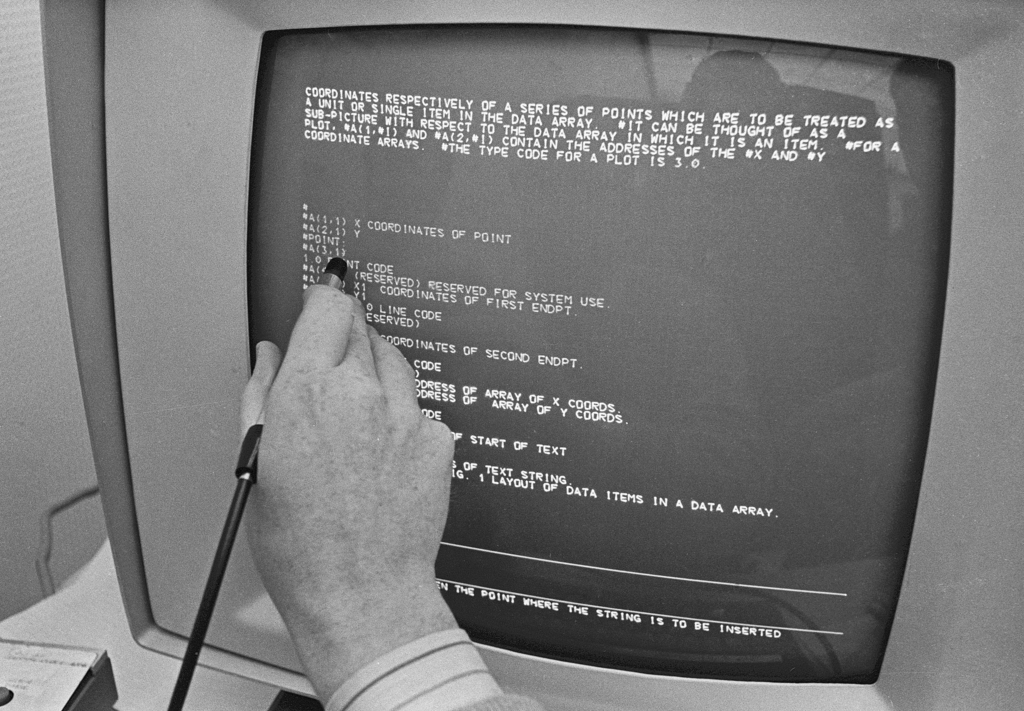
The real breakthrough came with the rise of machine learning, especially deep learning, in the 2010s. Suddenly, computers could be trained on vast datasets of images to recognize objects with startling accuracy. Paired with the powerful cameras and processors now standard in smartphones, these advancements moved visual assistants from the research lab into our pockets.
Visual Assistants in Action
Visual assistants are already at work in many fields, often in ways we don't notice. Their applications are diverse and growing every day.
In retail, you can use an app to see how a new sofa would look in your living room before buying it. That’s a visual assistant using augmented reality (AR) to overlay a digital object onto a real-world view.
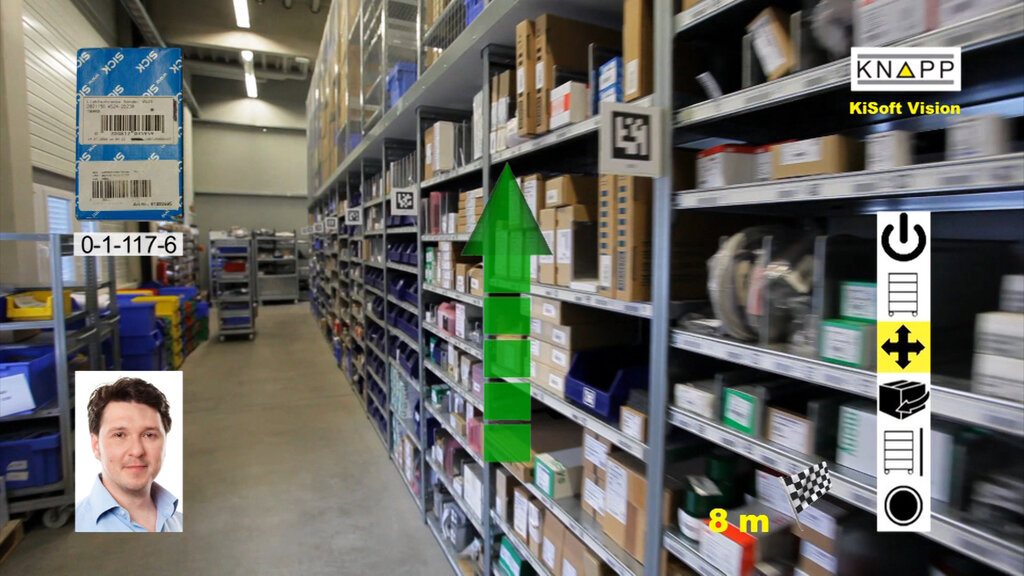
Manufacturing and logistics also rely heavily on this technology. On an assembly line, a visual assistant can perform quality control, spotting tiny defects in products that a human might miss. In a warehouse, it can guide workers to the exact location of an item for shipping, streamlining the entire process.
In healthcare, these tools help radiologists analyze medical scans like X-rays and MRIs, highlighting potential areas of concern for the doctor to review. They also power assistive technology, such as apps that describe the world for people with visual impairments.
Even our cars are using them. The lane-keeping assist and automatic emergency braking features in modern vehicles depend on visual assistants to see road markings, pedestrians, and other cars.
Why They Matter Now
The significance of visual assistants lies in their ability to make technology feel more natural. Pointing, showing, and seeing are fundamental to how we interact with our environment. By giving our devices eyes, we make them easier to use and more capable of understanding our needs.
They transform complex data into straightforward, actionable insights. A farmer can use a drone with a visual assistant to assess crop health across hundreds of acres, and a home inspector can use one to spot signs of water damage inside a wall. They don't just present data; they help us see what it means.
Imagine having an AI assistant suggesting visualizations or identifying outliers in your data—how much easier will your life be?
As this technology continues to integrate into our daily tools, it makes information more accessible and interactions with the digital world more seamless.