Visual AI Search and Recommendations
Introduction to Visual AI Search
Searching with Pictures
Typically, when you search for something online, you type words into a search bar. But what if you could search using an image instead? That’s the core idea behind visual AI search. It allows a computer to understand and search for information based on a picture you give it, just like you might show a photo to a friend and ask, "What is this?" or "Where can I find this?"
This technology bridges the gap between the visual world around us and the vast amount of information stored digitally. It’s not about matching file names; it’s about the AI truly seeing and interpreting the content of an image—its colors, shapes, patterns, and the objects within it.
Visual search turns your camera into a search bar.
The Basic Components
At its heart, a visual search system has a few key parts that work together. First, there's the user input—the image you want to search with. This could be a photo you just took, a screenshot, or an image you saved.
Next, an AI model analyzes the image. It breaks it down into a set of distinct features, like a digital fingerprint. This fingerprint might include information about the primary colors, the texture of a fabric, the shape of a piece of furniture, or the text on a sign.
Finally, the system takes this fingerprint and compares it against a huge database of other image fingerprints. It looks for the closest matches and presents them to you as the search results. The goal is to find items that are identical or visually similar to what you showed it.
Visual Search in the Wild
You've likely already used visual search without realizing it. In e-commerce, it's a game-changer. Imagine seeing a pair of shoes you like on a stranger. You can discreetly snap a photo, upload it to an app like Pinterest or Google Lens, and instantly get links to buy those exact shoes or very similar styles.
Social media platforms use visual AI to identify products in posts, allowing you to shop directly from an influencer's photo. It's also used for discovery; if you 'like' a photo of a modern-looking living room, the platform might use visual analysis to show you more content featuring minimalist furniture and decor.
Beyond shopping, visual search helps us interact with the world. You can take a picture of a plant to identify it, a historical landmark to learn its history, or a menu in a foreign language to get an instant translation. The AI isn't just matching pictures; it's understanding the context within them.
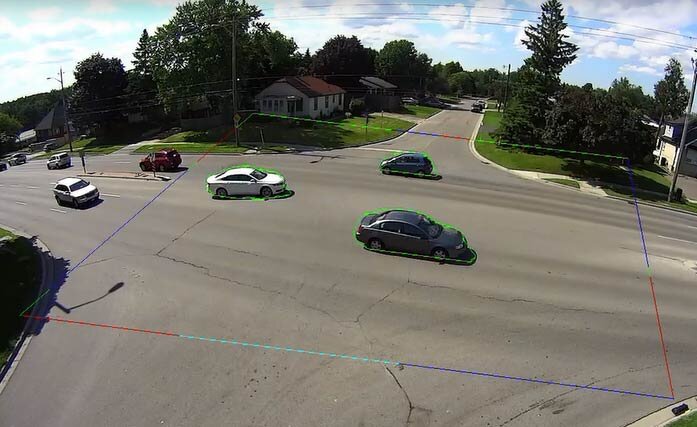
This ability to interpret visual data is what makes these systems so powerful and useful in our daily lives.
What is the primary function of visual AI search?
How does a visual AI system analyze an image to find matches?