Visa Application Process Communication
Visa Types
Two Paths to Entry
When you apply for permission to enter another country, the first question is always about your intent. Are you planning to stay temporarily, or do you hope to make this new country your permanent home? The answer splits visas into two fundamental categories: non-immigrant and immigrant.
Think of it like this: are you a visitor or are you moving in? Your visa type reflects that intention.
Immigrant Visas for a New Home
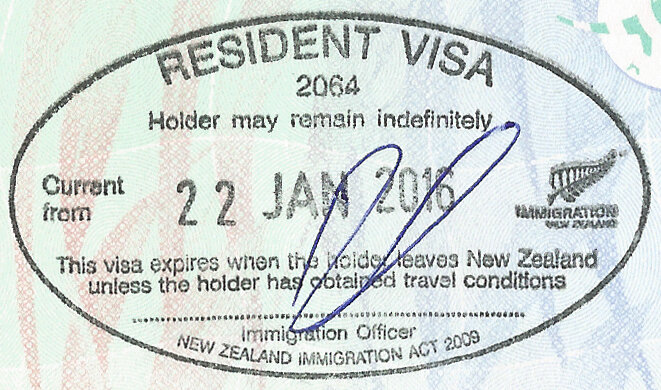
An immigrant visa is for individuals who intend to live and work permanently in a foreign country. Often called a "green card" in the United States, this type of visa is the first step toward becoming a lawful permanent resident. It grants the holder the right to live, study, and work indefinitely.
Immigrant Visa
noun
A travel document that allows a person to live and work permanently in a foreign country.
Securing an immigrant visa is typically a longer and more complex process because it signifies a lifelong commitment. The most common paths are through family or employment.
- Family-Based Visas: These are for close relatives of citizens or existing permanent residents. A spouse, child, parent, or sibling might be eligible to immigrate if their family member sponsors them.
- Employment-Based Visas: These are for individuals with specific job skills that are in demand. A company can sponsor a foreign worker if they can prove there are no qualified local candidates available for the position.
Non-Immigrant Visas for a Temporary Stay
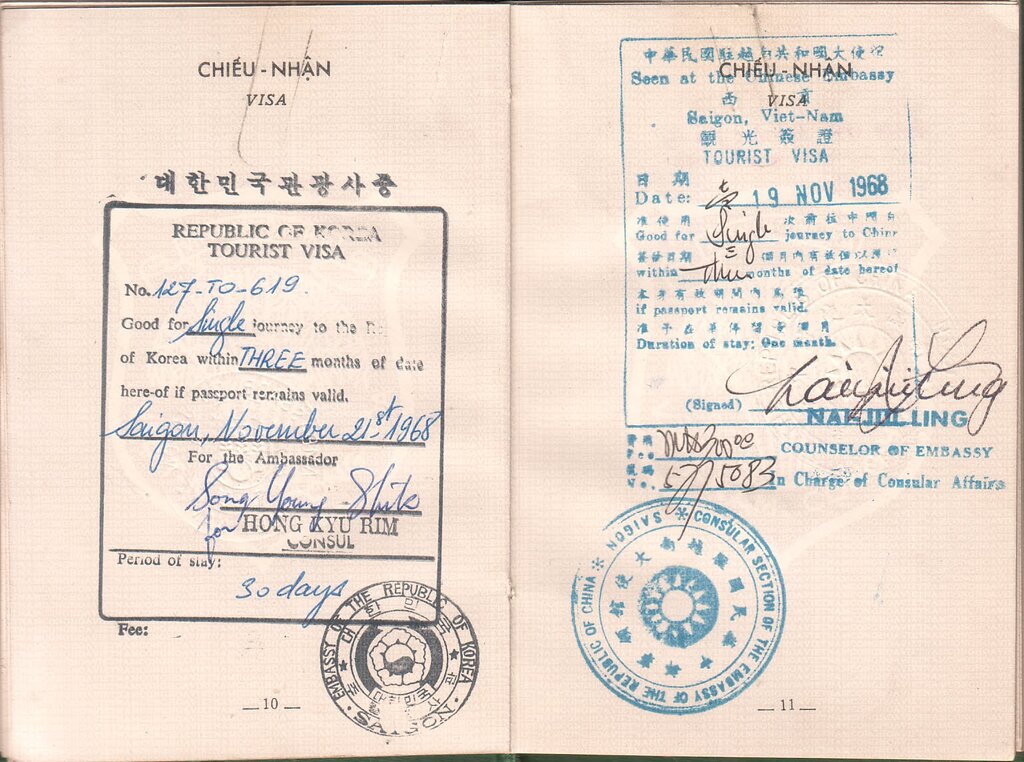
A non-immigrant visa is for a temporary visit for a specific purpose. Whether you're a tourist, a student, or a temporary worker, this visa signals that you intend to return to your home country after your visit is complete. These visas are granted for a limited time and have strict rules about what you can and cannot do.
Non-Immigrant Visa
noun
A travel document that allows a person to enter a foreign country for a limited time and for a specific purpose.
A key part of the application process is proving you have strong ties to your home country—like a job, family, or property—that give you a reason to leave when your visa expires. Common examples include:
- Tourist Visas (B-2): For tourism, vacation, or visiting family and friends.
- Student Visas (F-1): For academic study at an accredited school.
- Business Visitor Visas (B-1): For attending conferences, negotiating contracts, or meeting with business associates.
- Temporary Worker Visas (H-1B, H-2A): For working in a specific job for a limited period.
Here's a quick breakdown of the main differences:
| Feature | Immigrant Visa | Non-Immigrant Visa |
|---|---|---|
| Purpose | Permanent residence | Temporary stay for a specific purpose |
| Intent | To live and work in the country indefinitely | To visit for a limited time and then depart |
| Duration | Indefinite | Fixed period (e.g., 6 months, 4 years) |
| Common Paths | Family sponsorship, employment sponsorship | Tourism, study, temporary business |
| Key Requirement | Proving eligibility (e.g., family tie, job offer) | Proving intent to return home |
Let's review these core concepts.
Now, check your understanding of these visa categories.
What is the primary factor that distinguishes a non-immigrant visa from an immigrant visa?
A university student from Brazil is accepted into a four-year degree program in Canada. She plans to return to Brazil after graduation. What type of visa would she need?
Understanding these two main categories is the first step in navigating any visa process. The purpose of your travel dictates the path you must follow.