Virtuous Leadership Facilitator Program
Temperament and Character
The Raw Material
As a leader, you operate from a foundation you didn't choose: your temperament. This isn't your personality in the broad sense. Instead, think of it as your biological raw material, the physiological and emotional baseline you were born with. It's the speed of your reflexes, your natural energy level, and your default emotional responses to pressure or surprise.
Temperament is the clay, not the sculpture. It dictates your innate reactions, not your ultimate actions.
The Virtuous Leadership model draws on the four classical temperaments. Each has inherent strengths and weaknesses, but none is better or worse for leadership. They simply represent different starting points.
| Temperament | Core Tendency |
|---|---|
| Sanguine | Energetic, optimistic, relationship-oriented. |
| Choleric | Ambitious, decisive, goal-oriented. |
| Melancholic | Analytical, detail-oriented, idealistic. |
| Phlegmatic | Calm, steady, reliable. |
Recognizing your temperament is about self-awareness, not self-limitation. A Choleric leader's natural impulse might be to push forward aggressively, while a Phlegmatic leader might default to seeking consensus. Knowing this is the first step. The next is choosing what to build with that raw material.
The Crown of Personality
If temperament is the raw material, character is the finished work. It's what you intentionally build on top of your innate foundation through consistent, conscious choices. Character is a moral achievement, not a biological gift. It's the sum of your habits, forged by choosing to act virtuously even when your temperament pulls you in another direction.
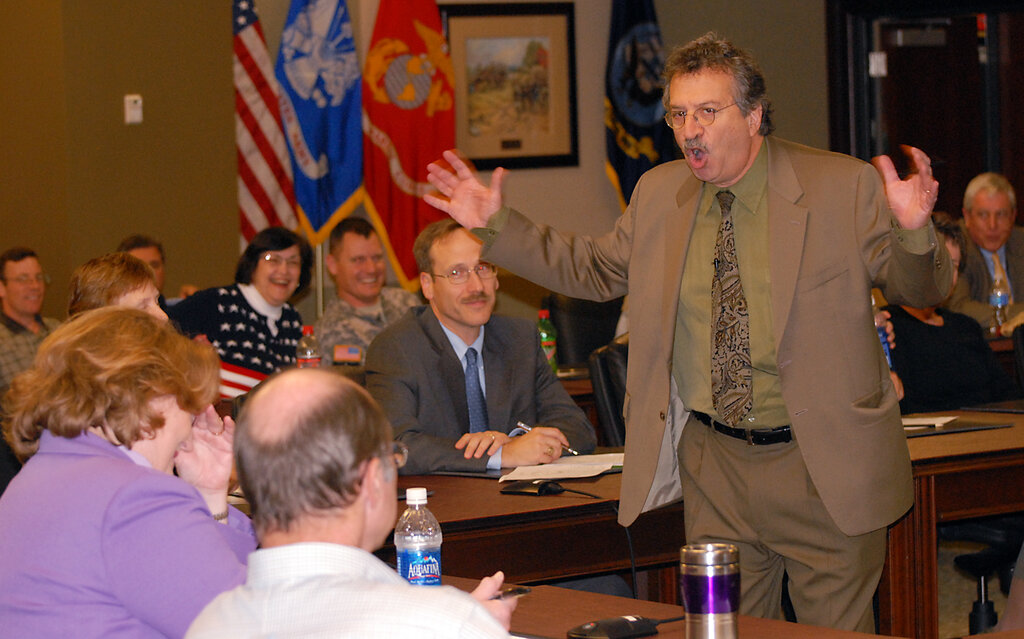
For example, a leader with a Melancholic temperament might naturally hesitate, analyzing every potential downside before acting. Building the character virtue of courage means learning to make a prudent decision and act on it, even with incomplete information. A Sanguine leader, who loves social harmony, might build the virtue of justice by learning to have difficult conversations that are necessary for the good of the team, despite their natural aversion to conflict.
Personality assessment early in the leadership development process can provide strategic, targeted, and actionable insight into growth areas.
This is why character is considered the 'crown' of personality. It directs and elevates your natural temperament. Without well-formed character, a Choleric's drive can become tyranny. A Phlegmatic's stability can become passivity. Character provides the moral rudder to steer your innate tendencies toward a productive and ethical purpose.
Escaping the Determinism Trap
A common pitfall in leadership is biological determinism—the belief that our innate traits dictate our destiny. You hear it in phrases like, "I can't help it, that's just how I'm wired," or, "I'm not a natural leader." This mindset treats temperament as a cage rather than a foundation.
Virtuous leadership rejects this. It asserts that you are not a slave to your impulses. Your temperament gives you certain strengths to leverage and certain weaknesses to overcome. The work of a leader is to intentionally cultivate habits (virtues) that master those weaknesses.
Reactive management is driven by temperament. It's when you let your innate impulses dictate your leadership style. Proactive leadership is driven by character. It involves recognizing your natural reaction, pausing, and choosing an action aligned with the virtues you want to embody. Leadership, in this view, is not a matter of personality. It is a matter of the will and the quality of one's habits.
According to the provided text, what is the primary difference between temperament and character?
A leader who naturally hesitates and over-analyzes every detail (a Melancholic temperament) consciously practices making timely, prudent decisions even with incomplete information. This is an example of what?