Virtual Assistants Explained
Introduction to Virtual Assistants
More Than Just a Voice
You’ve probably talked to one today. Maybe you asked your phone for the weather, or a chatbot on a website helped you track a package. These are virtual assistants: software programs designed to understand human language and perform tasks for us. They act as a digital helper, living in our phones, smart speakers, and computers.
But they weren't always so smart. The idea started decades ago with simple programs. One of the earliest was ELIZA, a computer program from the 1960s that could mimic a conversation. It worked by recognizing keywords in what you typed and responding with scripted answers. It was clever, but it didn't understand anything.
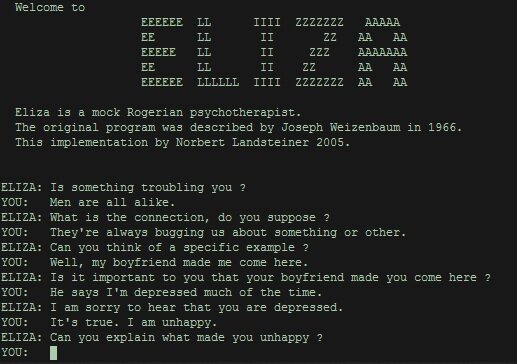
Today's virtual assistants are worlds away from ELIZA. They don't just match keywords; they interpret the meaning behind your words, learn your preferences, and access vast amounts of information to get things done. This leap forward is all thanks to advancements in artificial intelligence.
Chatbots and Voice Assistants
Virtual assistants generally come in two flavors: those you type to and those you talk to.
Text-based assistants, often called chatbots, live in messaging apps and websites. You interact with them by typing, and they're great for things like customer support, answering frequently asked questions, or guiding you through a process.

Voice-activated assistants, like Siri, Google Assistant, and Alexa, respond to spoken commands. They're built into smartphones, smart speakers, and even cars. These assistants are designed for hands-free tasks: setting timers, playing music, making calls, or controlling smart home devices.
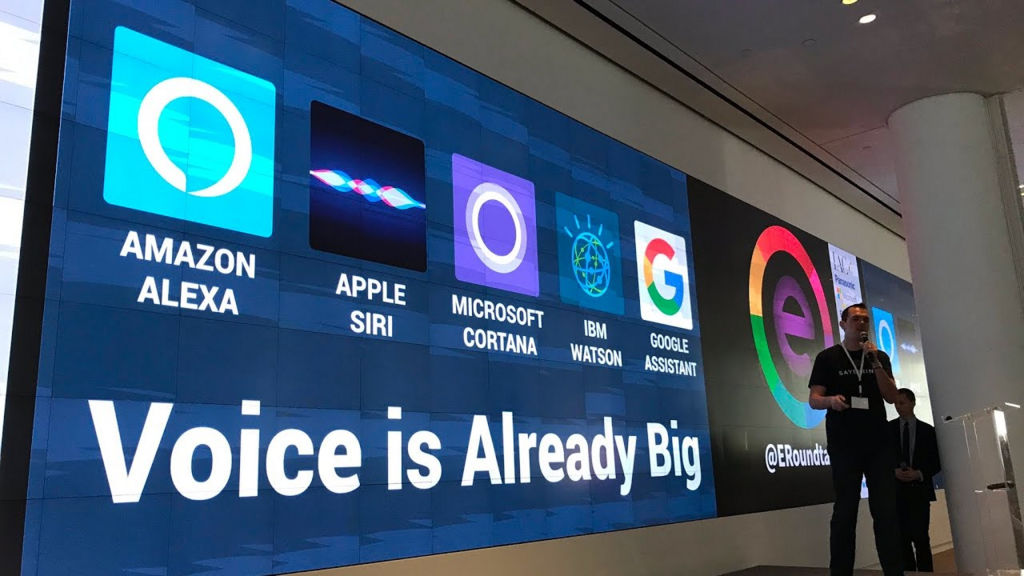
While one relies on text and the other on speech, the line between them is blurring. Many chatbots are gaining voice capabilities, and voice assistants often display text and images to supplement their answers.
Assistants at Work
Virtual assistants are no longer just a novelty; they've become essential tools across many industries.
In our personal lives, they act as productivity boosters. They manage our calendars, set reminders, and provide quick answers to everyday questions, freeing up our time and mental energy.
In customer service, businesses use chatbots to provide 24/7 support. They can answer common questions, track orders, and solve simple problems instantly, allowing human agents to focus on more complex issues.
Healthcare is another area where they are making an impact. Virtual assistants can help patients book appointments, get medication reminders, and even answer basic health-related questions, making healthcare more accessible.
How They Understand Us
So, how does a machine understand, "What's the weather like in London tomorrow?" The magic lies in two core areas of artificial intelligence: Natural Language Processing (NLP) and Machine Learning (ML).
Using technologies like machine learning and natural language processing (NLP), virtual agents are made to mimic natural human discourse.
Think of Natural Language Processing as the assistant's ears and brain for language. It's the technology that allows the software to read or hear human language, break it down, understand the intent, and figure out what you're actually asking for. It separates the subject, verb, and details to grasp the full context.
Machine Learning is what makes the assistant smart and allows it to improve over time. Instead of being programmed with rigid rules for every possible question, an assistant with ML learns from data. Every interaction you have with it becomes a learning opportunity. It analyzes millions of examples of questions and commands to recognize patterns and predict the best way to respond. The more you use it, the better it gets at understanding you and providing accurate, helpful answers.
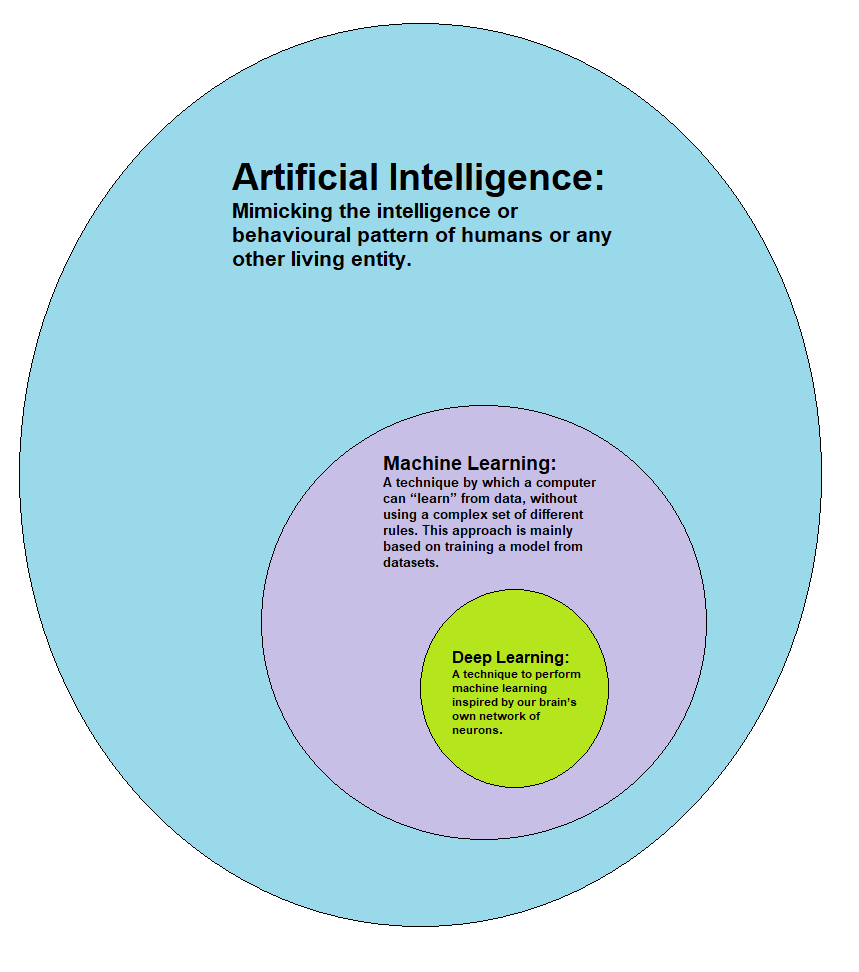
Together, these technologies allow virtual assistants to move beyond simple, pre-programmed responses and engage in much more natural and useful conversations.
Time to check your understanding.
What is the primary role of a modern virtual assistant?
The technology that allows an assistant to understand the grammar and meaning of your request is called ______, while ______ allows it to get smarter over time by analyzing past interactions.
From simple text commands to complex voice conversations, virtual assistants have evolved into powerful tools that are reshaping how we interact with technology.