Virtual Assistants Explained
Introduction to Virtual Assistants
Your Digital Helper
You've probably asked your phone for the weather, told a speaker to play a song, or dictated a text message without typing. In each case, you were talking to a virtual assistant. At its core, a virtual assistant is a software program designed to perform tasks or services for you based on verbal or written commands.
Virtual personal assistants like Siri, Alexa, and Google Assistant are AI-based technologies that use natural language processing (NLP) to interact with users.
Think of them as a personal helper living inside your phone, smart speaker, or computer. Their main job is to make technology easier and more accessible, letting you interact with devices through conversation rather than just tapping and clicking.
From Simple Scripts to Smart Chat
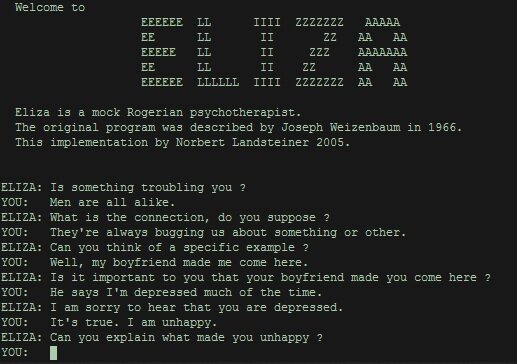
Virtual assistants weren't always so clever. The earliest versions were simple, rule-based programs. They could only respond to a very specific set of commands. If you didn't say the exact magic words, they wouldn't understand. A classic example is ELIZA, a program from the 1960s that mimicked a psychotherapist by recognizing keywords in a user's text and reflecting them back as questions.
The big leap forward came with artificial intelligence. Instead of just following rigid rules, modern assistants use machine learning and natural language processing. This allows them to understand the intent behind your words, learn from past interactions, and handle a wide variety of requests in a much more flexible and human-like way. They understand context, so you can ask follow-up questions without starting over.
What Can They Actually Do?
Today's virtual assistants have a broad range of capabilities that fit into a few main categories. They can answer your questions, manage your schedule, control other devices, and even entertain you.
| Category | Example Tasks |
|---|---|
| Information | "What's the capital of Nepal?" or "How's the traffic to work?" |
| Organization | "Set an alarm for 7 AM," "Remind me to buy milk," or "Add a doctor's appointment to my calendar." |
| Communication | "Call Mom" or "Text 'I'm running late' to Alex." |
| Control | "Turn off the living room lights" or "Play my morning playlist." |
| Entertainment | "Tell me a joke" or "Play some relaxing music." |
Their power comes from connecting to other apps and services. When you ask an assistant to play a song, it connects to a music streaming service. When you ask for directions, it taps into a maps application. This integration is what makes them so versatile.
Meet the Major Players
While many companies are developing this technology, three assistants have become household names.
Apple's Siri Introduced in 2011 on the iPhone 4S, Siri brought the idea of a virtual assistant to the masses. It's deeply integrated into Apple's ecosystem, allowing you to control your iPhone, iPad, and other Apple devices with your voice.
Amazon's Alexa Alexa gained popularity through Amazon's Echo line of smart speakers. It excels at controlling smart home devices and playing media. Its system of "skills"—third-party voice apps—allows developers to constantly add new capabilities, from ordering a pizza to leading a workout.
Google Assistant Leveraging Google's massive search engine and knowledge graph, Google Assistant is particularly strong at answering a wide range of questions and understanding conversational context. It's available on Android phones, Google Nest speakers, and many other devices.
These assistants are constantly evolving, becoming more personalized and capable. They represent a fundamental shift in how we interact with technology, moving from manual input to natural conversation.