Virtual Assistants Explained
Introduction to Virtual Assistants
Your Digital Helper
You've probably talked to one today. Maybe you asked your phone for the weather, or a website's pop-up window offered to help you find something. These are virtual assistants: software programs designed to understand what you say or type and then perform a task or find information for you.
Their main goal is to make technology feel more natural and accessible. Instead of clicking through menus or typing specific commands, you can just ask a question in plain language. They act as a helpful intermediary between you and the complex digital world, whether it's setting a reminder, playing a song, or answering a trivia question.
Think of them as a personal assistant that lives in your devices, ready to help with small tasks so you can focus on bigger things.
From Sci-Fi to Your Pocket
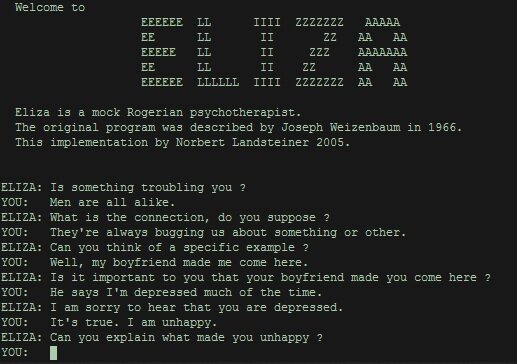
The idea of talking to computers isn't new. For decades, it was the stuff of science fiction. Early attempts in the 1960s, like a program called ELIZA, could mimic conversation but didn't truly understand it. ELIZA worked by recognizing keywords in what you typed and responding with pre-programmed phrases. It was clever, but limited.
For a long time, interacting with computers meant learning their language. You had to use precise commands and navigate rigid interfaces. A simple typo could lead to an error message.
The big shift came with advances in artificial intelligence. Modern virtual assistants are much more sophisticated than their ancestors. They can grasp the context of a conversation, learn your preferences, and perform a wide range of tasks across different apps and services. This evolution turned a futuristic dream into an everyday tool that millions of people rely on.
Different Kinds of Assistants
Virtual assistants come in two main flavors: those you talk to and those you type to.
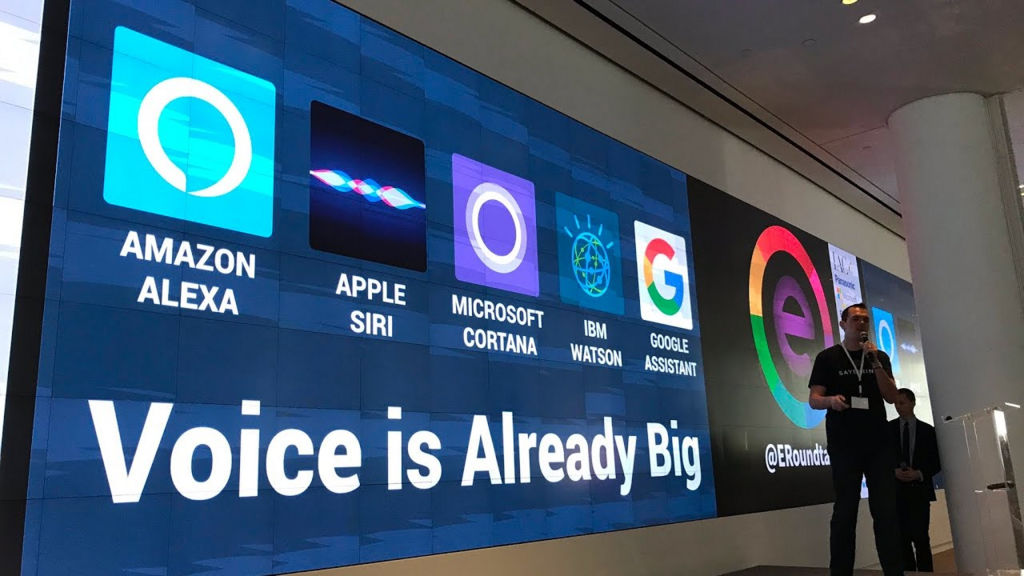
Voice-activated assistants are all about hands-free convenience. They live in smart speakers, phones, and even cars. You're likely familiar with Apple's Siri, Amazon Alexa, and Google Assistant. These assistants are great for multitasking. You can ask one to set a timer while you're cooking, play your favorite podcast during your commute, or turn off the lights without getting out of bed.
Text-based assistants, often called chatbots, are the ones you meet on websites and in messaging apps. Their main job is usually customer service. When you visit your bank's website and a chat window pops up asking "How can I help you?", you're interacting with a chatbot.
These assistants are built to handle common questions and problems quickly. They can look up your order status, help you reset a password, or point you to the right page on a sprawling website. This frees up human support agents to tackle more complex issues.
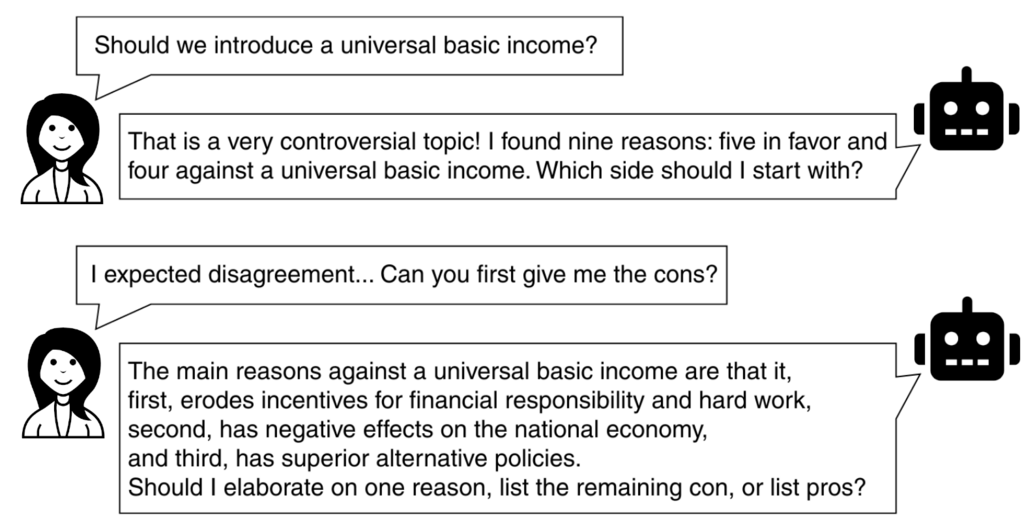
Whether through voice or text, virtual assistants are changing how we interact with technology, making it more conversational and a little more human.
Ready to check your understanding?
What is the primary goal of a virtual assistant, according to the text?
How did early programs like ELIZA from the 1960s differ from modern virtual assistants?
That covers the fundamentals of virtual assistants. As you've seen, they've evolved from simple command-takers to helpful conversational partners.