Virginia Freshwater Fishing Reintroduction
Modern Virginia Regulations
Navigating Virginia's Current Rules
Even for seasoned anglers, Virginia's fishing regulations can have nuances. The Virginia Department of Wildlife Resources (DWR) manages a complex system that balances conservation with recreation. Staying current is key, as rules for licensing, seasons, and limits are updated regularly.
A standard state freshwater fishing license is your starting point. However, if you plan to fish in , you'll also need a separate trout license. This dual-license requirement is in effect from October 1 through June 15. Outside of this period, a trout license is not needed to fish in these specific waters, though you still need a standard freshwater license.
Virginia also celebrates its angling culture with special events. The first Saturday in April is designated as Trout Heritage Day. On this day, specific stocked trout waters are managed for a high-quality, family-friendly fishing experience, often with a reduced creel limit to spread the opportunity.
Beyond the general rules, many of Virginia's prime trout streams, particularly in the Blue Ridge and Piedmont regions, fall under "special regulation" categories. These are designed to protect wild trout populations and create unique angling challenges. The rules in these areas are strict and vary from one stream to another.
Common special regulations include 'Catch and Release Only,' 'Artificial Lures Only,' and restrictions to single-point hooks. Always check the specific signage posted at the water body before casting your line.
Creel and Species Limits
Creel and length limits are the DWR's primary tools for managing fish populations. For popular game fish like bass and catfish, the regulations are fairly consistent statewide, but exceptions for specific lakes or rivers are common. It's crucial to consult the latest DWR regulations summary for the specific waterbody you're fishing.
| Species | Statewide Daily Creel Limit | Statewide Length Limit |
|---|---|---|
| Largemouth & Smallmouth Bass | 5 in aggregate | No fish between 14-22 inches; only 1 over 22 inches |
| Striped Bass (inland lakes) | Varies by lake (2-4 fish) | Varies by lake (typically 20-inch minimum) |
| Blue & Channel Catfish | 20 per day (aggregate) | Only 1 blue catfish over 32 inches per day |
| Flathead Catfish | 5 per day | Minimum 20 inches |
While many species are managed for sustainable harvest, some are under strict protection. There is currently a complete moratorium on the possession of river herring, which includes both blueback herring and alewife. These fish populations have seen a dramatic decline, and possession is illegal. Any river herring caught incidentally must be released immediately.
Crossing the Tidal Line
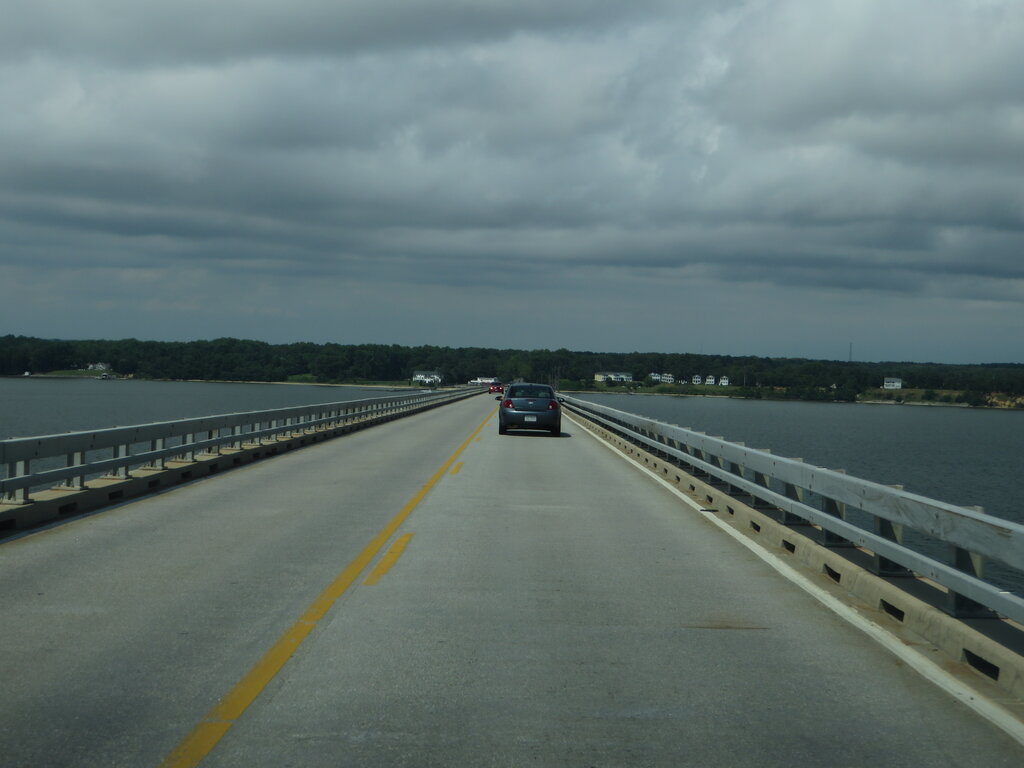
Many of Virginia's largest rivers, like the James, Rappahannock, and York, have a tidal freshwater zone. These are sections upstream from the coast where the water is fresh but still influenced by ocean tides. Fishing in these areas for saltwater or anadromous species like striped bass or shad requires a different approach to licensing.
If you are fishing in these tidal waters, even from the bank, you must register annually with the Virginia Saltwater Fisherman Identification Program (FIP). Registration is free through the DWR's GoOutdoorsVA website. This program is separate from a saltwater fishing license, which is only required if you are fishing in actual saltwater. The FIP helps biologists collect valuable data on angler activity and fish populations in these critical transition zones.
One of the most important and often overlooked aspects of sustainable sport fishing is understanding and complying with local regulations.
A final check of the DWR website or app before you head out is the best way to ensure you're compliant and can focus on enjoying your time on the water.