Viral Video Storytelling Secrets
Understanding Viral Videos
What Makes a Video Go Viral?
A video “goes viral” when it spreads rapidly across the internet, much like a virus. It’s not just about getting a lot of views. It’s about how quickly and widely people share it with others. One person sends it to three friends, who each send it to three more, and suddenly, millions have seen it.
Viral videos, at first glance, may seem like lightning in a bottle, unpredictable and elusive.
While luck can play a part, viral videos aren't completely random. They almost always have a few things in common. They tap into strong emotions like humor, surprise, joy, or inspiration. They feel authentic and relatable, not like a polished advertisement. Most importantly, they contain a hook or a moment that makes you want to immediately share it.
Hook
noun
An element at the beginning of a video, typically within the first 3-5 seconds, designed to capture the viewer's attention and make them want to keep watching.
This shareability is the core of virality. It's not a passive experience; the audience becomes part of the distribution. When a video resonates deeply, viewers feel a social impulse to pass it on, making it a shared cultural moment.
Measuring Virality
There's no official threshold for when a video becomes viral. A video with 100,000 views could be considered viral for a small niche, while a major brand might need millions of views in 24 hours to claim that title. Instead of a single number, we look at a combination of metrics to gauge a video's explosive growth.
| Metric | Why It Matters |
|---|---|
| Velocity | How fast the video gets views and shares. 1 million views in a day is viral; 1 million over a year is just popular. |
| Shares | The most critical metric. High shares mean people are actively spreading the content. It’s the engine of virality. |
| Engagement Rate | The percentage of viewers who like, comment, or share. High engagement shows the content is making a strong impression. |
| Reach | The total number of unique people who see the content. Viral content spreads far beyond the original creator's audience. |
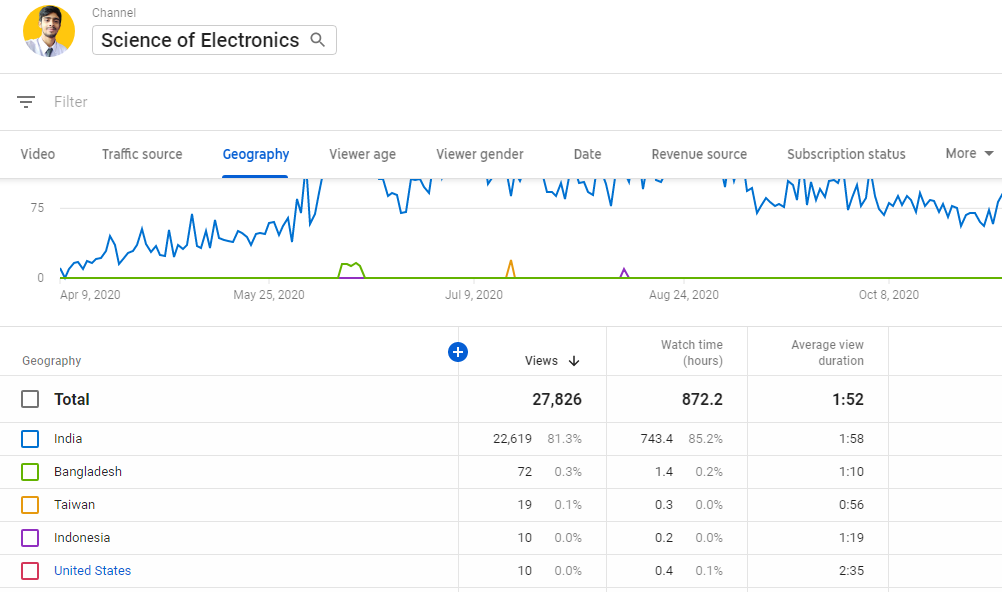
Looking at analytics helps us understand not just how many people watched, but how they behaved. Did they watch the whole thing? Did they feel compelled to comment or share it with their network? These are the questions that separate a fluke hit from a true viral phenomenon.
The Impact of Going Viral
Viral videos can have a massive impact, shaping everything from internet slang to marketing campaigns. They often create mini-celebrities overnight and can launch careers or movements. For businesses, a viral video can be an incredibly powerful marketing tool, generating brand awareness that would otherwise cost a fortune.
Consider the "Ice Bucket Challenge." It started as a simple video challenge to raise awareness for ALS. It was personal, easy to replicate, and had a charitable goal. The campaign went viral globally, raising over $115 million for the ALS Association in just a few weeks. It didn't just entertain; it drove real-world action and put a spotlight on a disease many people knew little about.
This shows the power of viral content: it can move beyond entertainment to influence culture, conversation, and even charitable giving.
Another example is the "Old Spice Guy" campaign. Before 2010, Old Spice was seen as a dated brand. Their video, "The Man Your Man Could Smell Like," was fast-paced, funny, and shot in a single take. It was completely different from typical deodorant ads. It exploded online, and the company followed up with personalized video responses to fans, fueling the momentum. The campaign revitalized the brand for a new generation.
Let's test your understanding of these concepts.
What is the most critical factor in determining if a video has "gone viral"?
Which of the following characteristics is LEAST likely to be found in a viral video?
To wrap up, remember that while there's no guaranteed formula, viral videos are a mix of emotional connection, clever timing, and audience participation. They are a powerful force in modern communication.