Viral Video Storytelling Deconstructed
Understanding Viral Videos
What Makes a Video Go Viral?
A video doesn't just get a lot of views to be considered "viral." Virality is about speed and scale. A viral video is one that spreads rapidly through internet sharing, primarily on social media platforms and websites. Think of it like a digital wildfire, catching on with millions of people in a matter of days or even hours.
The key isn't just watching; it's sharing. Virality happens when a video becomes a piece of content that people feel compelled to pass on to their networks.
These videos typically have a few things in common. They generate a high level of engagement, including likes, comments, and most importantly, shares. This sharing creates a snowball effect, pushing the content into new social circles and algorithms, which then show it to even more people. The popularity spike is often intense but can be short-lived, as the internet's attention quickly moves to the next big thing.
A Brief History of Going Viral
Before YouTube and social media, content spread much more slowly. In the late 1990s and early 2000s, short animations and clips were shared through email chains. A simple animation of a dancing baby, for instance, became one of the first internet memes, forwarded from inbox to inbox.
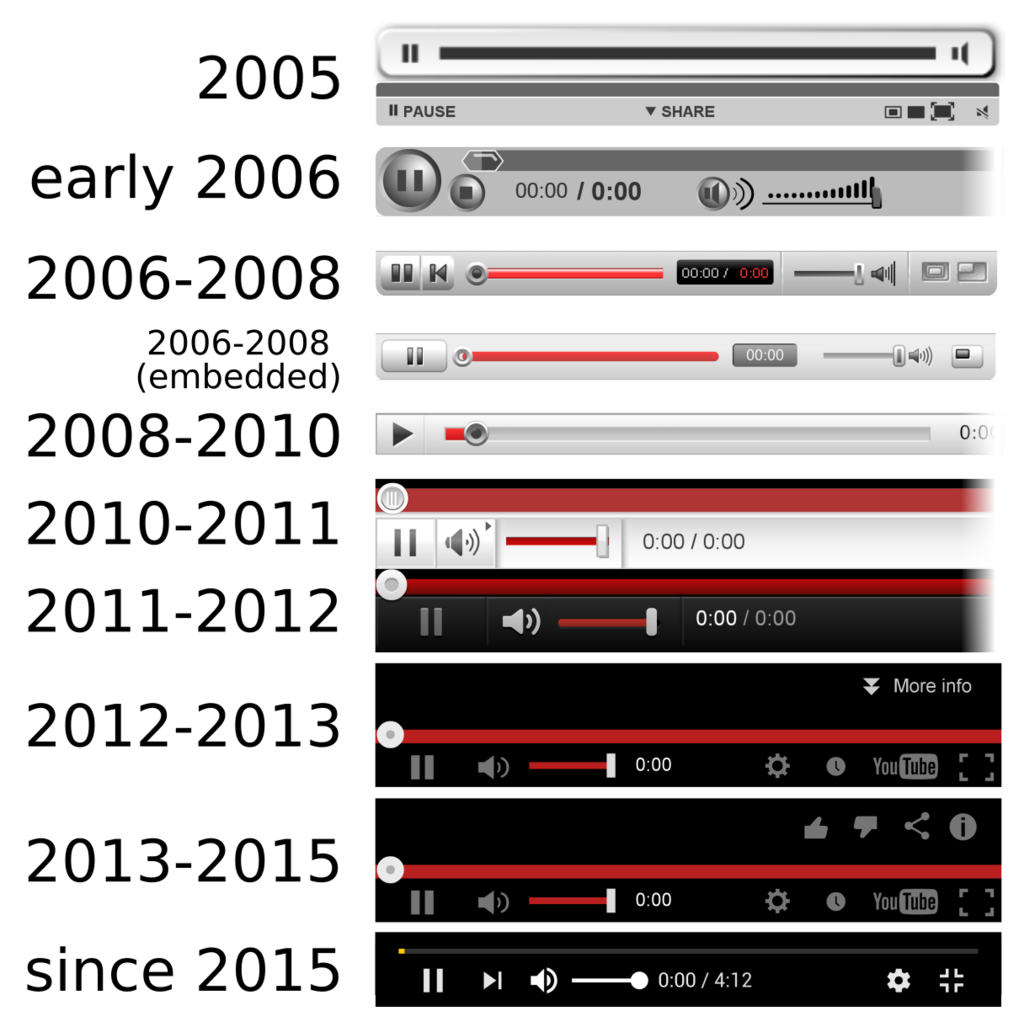
The launch of YouTube in 2005 changed everything. It provided a central, easily accessible platform for anyone to upload and watch videos. Suddenly, sharing wasn't a clunky process of attaching a file to an email; it was as simple as sending a link. This accelerated the speed at which a video could find a massive audience.
Today, the ecosystem is even more complex and faster. Platforms like TikTok, Instagram, and X (formerly Twitter) are designed for rapid-fire content consumption and sharing. Their algorithms are finely tuned to identify engaging content and promote it, meaning a video can achieve worldwide recognition overnight.
Anatomy of a Viral Hit
There's no single formula for a viral video, but studying famous examples shows us what works. Let's look at two completely different videos that both captured the world's attention.
First, the 2007 home video 'Charlie Bit My Finger.' This 56-second clip features two young brothers, Harry and Charlie. When Harry puts his finger in Charlie's mouth, Charlie bites down, leading to Harry's famous line, "Charlie bit me!" It's simple, authentic, and universally relatable. Anyone who's been around young children understands the charmingly unpredictable nature of toddlers. The video's humor and innocence made it incredibly shareable.
On the other end of the spectrum is PSY's 2012 music video 'Gangnam Style.' Unlike a candid home movie, this was a high-production piece with a catchy song, vibrant visuals, and a quirky, easy-to-imitate dance. Its success came from its novelty and energy. The song transcended language barriers, and the 'horse-riding' dance became a global phenomenon, performed by everyone from celebrities to news anchors. It was the first YouTube video to reach one billion views, setting a new benchmark for online success.
| Feature | Charlie Bit My Finger | Gangnam Style |
|---|---|---|
| Origin | Home video | Music video |
| Key Appeal | Relatability, humor | Novelty, catchy dance |
| Production | Unscripted, low-fi | High-production, choreographed |
| Spread | Organic sharing | Parodies, media coverage |
| Legacy | Early YouTube icon | First to 1 billion views |
Impact and Monetization
Viral videos are more than just fleeting entertainment; they shape digital culture. They create shared jokes, new slang, and global trends. A popular video can launch careers, making ordinary people into internet celebrities overnight. Think of the many TikTok creators who have built entire brands from a single viral clip.
This cultural impact also has significant financial implications. Once a video gains traction, it can be monetized in several ways:
The most direct method is through advertising revenue. Platforms like YouTube share a portion of the money they make from ads with the video's creator. The family from 'Charlie Bit My Finger,' for example, earned hundreds of thousands of dollars from their viral fame.
Beyond ads, virality opens doors to brand deals, merchandise sales, and licensing opportunities. The content itself becomes a valuable asset. In 2021, the 'Charlie Bit My Finger' video was even sold as an NFT (non-fungible token) for over $760,000.
For businesses, creating a viral video is a powerful marketing goal. A successful viral campaign can generate massive brand awareness far more effectively than traditional advertising. It’s a modern form of word-of-mouth, amplified to a global scale.
Time to check what you've learned.
What is the primary characteristic that defines a video as "viral"?
How did the launch of YouTube in 2005 primarily change the way video content was shared?