Viral Video Deconstruction
Understanding Virality
What Makes Content Go Viral?
Virality is when a piece of digital content, like a video or a meme, spreads rapidly and widely from person to person. Think of it like a digital chain reaction. It's not just about getting a lot of views; it's about being shared so extensively that it becomes a cultural moment, however brief.
Going viral means your content is so compelling that people feel an urge to share it with their own networks.
The Psychology of Sharing
Why do we hit the share button? The decision is often driven by powerful psychological triggers. We're far more likely to share content that sparks a strong emotional response. Awe, laughter, surprise, and even anger can motivate us to pass something along. We want others to feel what we just felt.
Relatability is another key factor. If a video reflects our own experiences, beliefs, or identity, sharing it feels like a form of self-expression. It says, "This is me," or "This is what I care about." Novelty also plays a huge role. We're drawn to things that are new, unexpected, or challenge our worldview. Sharing something novel makes us feel like we're in the know, offering our friends a fresh perspective or a surprising piece of information.
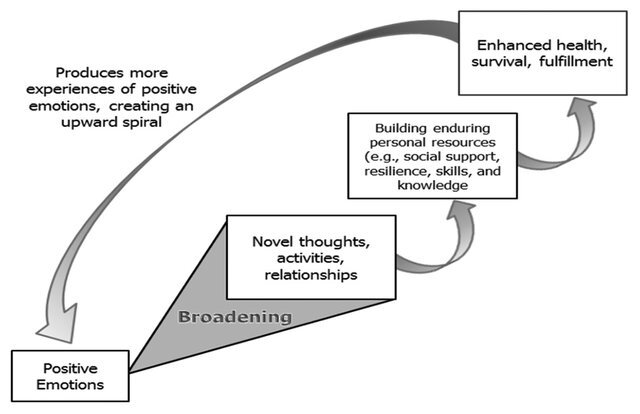
Social factors also come into play. People share content to build what's called "social currency." Sharing a clever video or an insightful article makes us look smart and connected. It’s a way of signaling our taste and knowledge to our peers. Sharing also strengthens our social bonds. When you send a funny video to a friend, you're not just sharing content; you're reinforcing a connection and creating a shared experience.
Algorithms as Amplifiers
While human psychology kicks off the sharing process, platform algorithms turn a spark into a wildfire. Sites like YouTube and TikTok are designed to keep users engaged, and their algorithms are constantly searching for content that does just that.
These systems track signals like watch time, likes, comments, and especially shares. When a video starts getting a lot of engagement quickly, the algorithm identifies it as high-quality or highly engaging content. It then pushes that video to a much wider audience, showing it on "For You" pages or in recommended feeds. This creates a powerful feedback loop: more engagement leads to more visibility, which leads to even more engagement.
TikTok’s algorithm didn’t just "bless" her with random virality — Mia unknowingly triggered multiple engagement signals: high loop-through rate, replays, saves, and shares.
Think of an algorithm as a massive, automated talent scout. It's constantly looking for the next hit and has the power to place it on the world's biggest stage. A piece of content that resonates with a small group can be algorithmically amplified to reach millions in a matter of hours.
| Viral Element | Description | Example in a Video |
|---|---|---|
| Emotional Trigger | Elicits a strong feeling like joy or surprise. | A dog is reunited with its owner after years apart. |
| Relatability | Reflects a common, shared human experience. | A comedian jokes about the struggles of working from home. |
| Novelty | Presents something new, unexpected, or skillful. | An artist creates a photorealistic portrait using only salt. |
| Social Currency | Makes the sharer seem knowledgeable or cool. | A short video explains a complex scientific concept in 60 seconds. |
Understanding these elements helps demystify why some things catch on while others don't. Now, let's test your knowledge on what makes content go viral.
What is the most essential characteristic of content that goes viral?
Which of the following is NOT a primary psychological trigger mentioned for sharing content?
Virality isn't just luck. It's a combination of human psychology, social connection, and powerful technology working together to spread an idea.