Viral Video Deconstruction
Understanding Viral Videos
What Makes a Video Go Viral?
A viral video isn't just one with a lot of views. It's a video that spreads like wildfire, shared across social networks by thousands or even millions of people in a very short time. This rapid, organic sharing is what separates a popular video from a truly viral one.
Viral videos, at first glance, may seem like lightning in a bottle, unpredictable and elusive.
While it can seem random, most viral content shares a few key ingredients. It's not about high production value or celebrity endorsements. Often, the most unexpected, low-budget clips are the ones that capture the internet's attention. The core of virality lies in psychology: tapping into emotions, creating connections, and making content incredibly easy to pass along.
The Power of Emotion
The single most important factor in viral content is emotion. Videos that make us feel something strongly are the ones we are most compelled to share. We want others to feel the joy, shock, or laughter we just experienced.
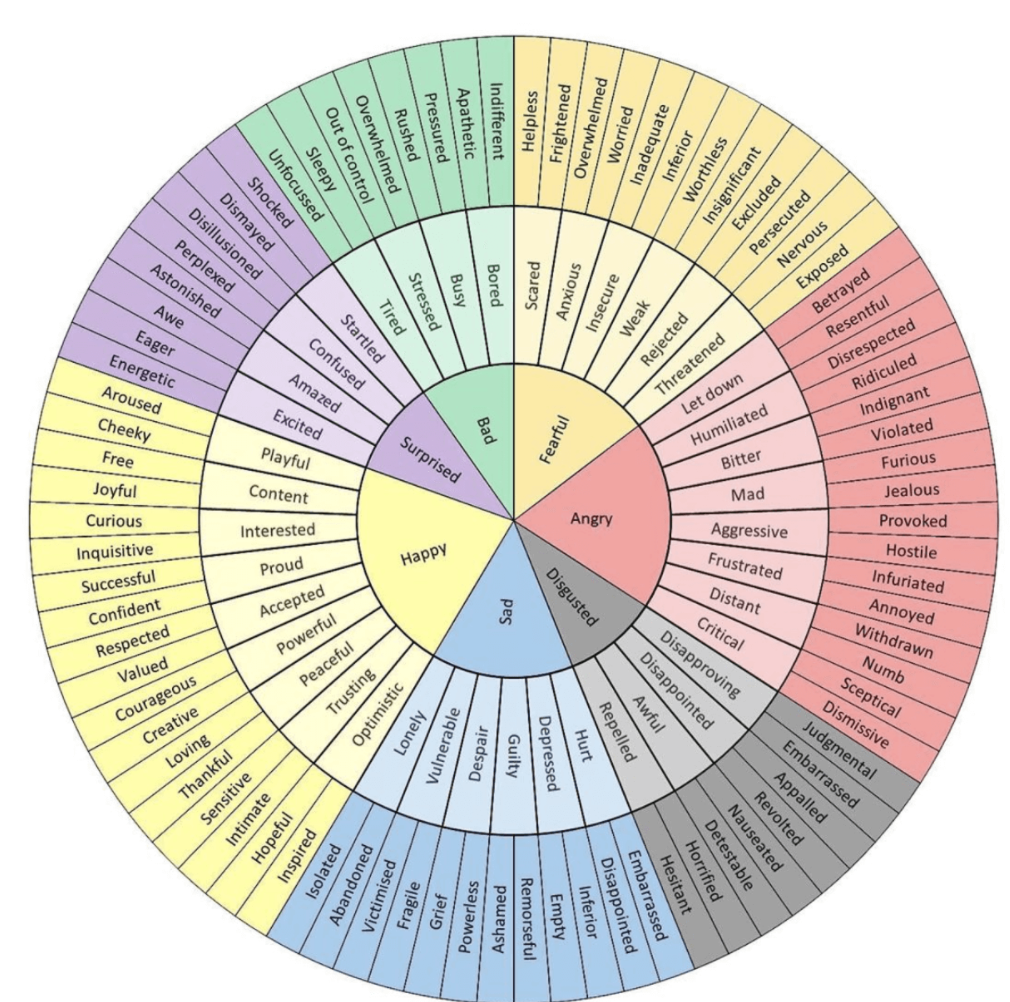
The most common emotional triggers are positive ones like humor, awe, and inspiration. Think of a hilarious animal video or a clip of a breathtaking landscape. These create a positive feeling that people want to pass on. However, negative emotions like anger or anxiety can also fuel virality, especially when tied to social or political issues. The key is the intensity of the feeling, not whether it's positive or negative.
People don’t just watch viral videos—they feel them.
Relatability and Shareability
Have you ever watched a video and thought, "That is so me"? That feeling is relatability, and it's another driver of viral content. When a video reflects our own experiences, beliefs, or struggles, it creates a personal connection. We share it as a way of saying, "This is part of my story, too."
This is why content featuring everyday situations, like a toddler's funny tantrum or a common workplace frustration, often takes off. These moments are universal, transcending demographics and cultures.
For a video to be shared, it must be easy to share. Simplicity is key. The message should be instantly understandable without requiring a lot of context.
The format of the video also plays a huge role. Short, vertical videos are primed for mobile sharing on platforms like TikTok and Instagram Reels. They're quick to consume and even quicker to send to a friend. The easier it is for someone to hit the 'share' button, the more likely they are to do it.
Platforms and Algorithms
A great video needs a vehicle to help it spread. Social media platforms are the engines of virality. Each platform has its own unique algorithm that decides what content to show to users. These systems are designed to maximize engagement—things like likes, comments, shares, and watch time.
When a video starts getting a lot of engagement quickly, the algorithm takes notice. It interprets this as a sign of high-quality, interesting content and begins showing it to a wider audience. This creates a feedback loop: more views lead to more engagement, which leads to the algorithm promoting it even more. This is how a video can go from a few hundred views to millions overnight.
While we can't control these algorithms, understanding their purpose helps explain how a spark of interest can ignite into a global phenomenon.
What is the key characteristic that distinguishes a "viral" video from simply a "popular" one?
According to the principles of virality, which factor is most crucial for compelling people to share a video?
Ultimately, a viral video is a perfect storm of the right emotion, a relatable message, and an algorithm that gives it a push.