Vintage Car Mechanics Mastery
Introduction to Vintage Car Mechanics
A Different Breed of Machine
Working on a vintage car is like stepping back in time. Before computers and complex electronics ran the show, cars were built on simpler, more direct mechanical principles. The design philosophy was different, often prioritizing durability and ease of repair over the peak performance and fuel efficiency that drive modern car design.
Early automobiles were assembled with a straightforward logic. Parts were meant to be accessible and replaceable with standard tools. This hands-on approach meant that owners and local mechanics could perform most maintenance and repairs themselves, fostering a closer connection between driver and vehicle.
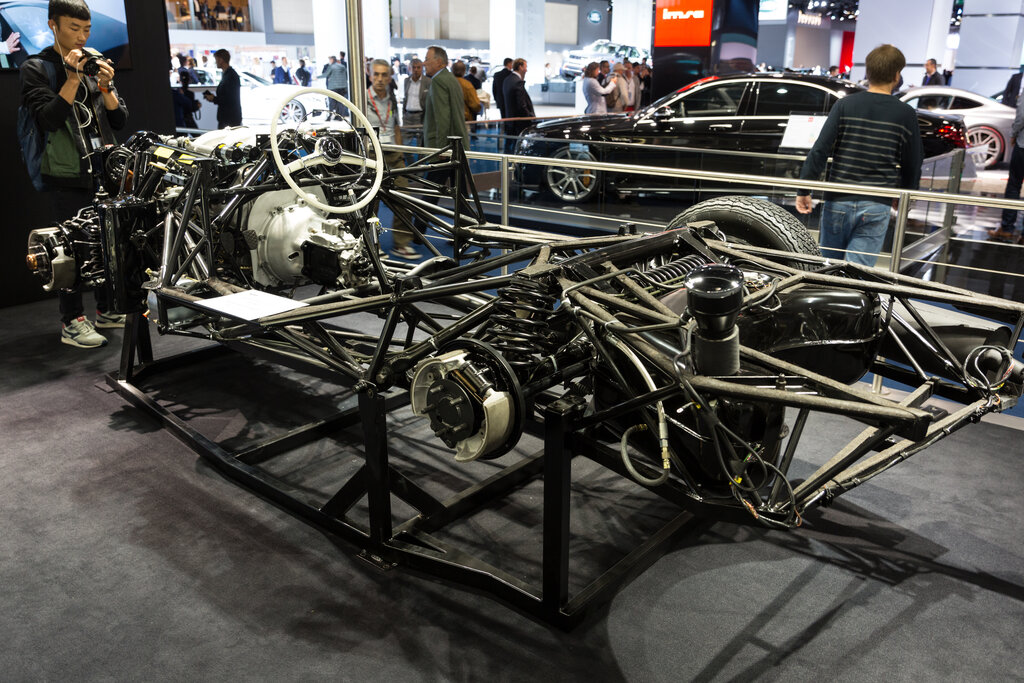
One of the most fundamental differences lies in the car's very foundation. Most vintage cars use a body-on-frame construction. This means the car's body is a separate unit bolted onto a rigid steel frame, which holds the engine, suspension, and drivetrain. Think of it like a house built on a strong, separate foundation. This method was rugged and simple to manufacture.
In contrast, almost all modern cars use a unibody (or monocoque) design, where the body and frame are a single, integrated structure. This creates a lighter, more rigid vehicle that handles better and is safer in a crash, but it's also more complex to repair after a major collision.
The Core Systems
Beyond the frame, the core systems that make a car run are fundamentally different. Let's look at three key areas: fuel delivery, ignition, and braking.
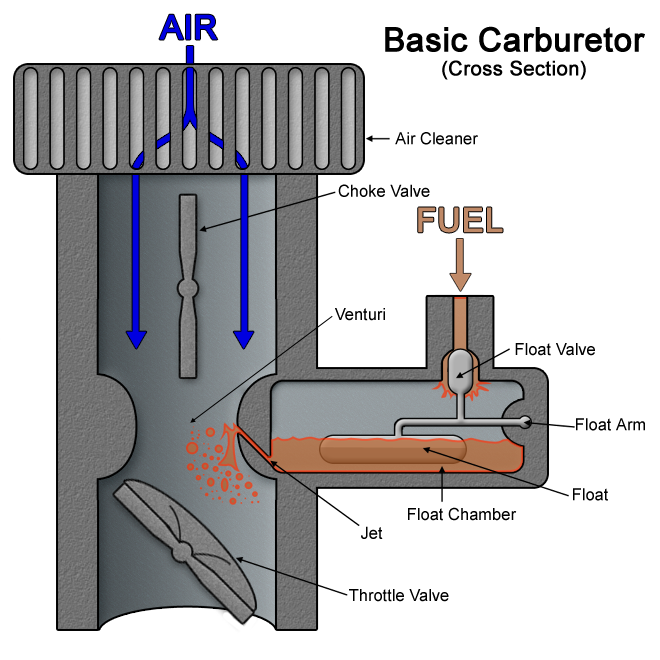
First, fuel. Modern cars use electronic fuel injection, where a computer precisely controls how much gasoline is sprayed into the engine. Vintage cars, however, rely on a carburetor. A carburetor is a purely mechanical device that mixes air and fuel together using principles of air pressure. It's less efficient but wonderfully simple, with adjustments made by turning screws, not by plugging in a laptop.
Next is the ignition system, which creates the spark that ignites the fuel-air mixture. Modern cars use electronic ignition systems that are maintenance-free. Older cars used a mechanical system with a distributor, breaker points, and a condenser. The points are a small electrical switch that opens and closes to fire the spark plugs. They wear out over time and require regular adjustment or replacement, a common tune-up task for any classic car owner.
Finally, there are the brakes. Today, disc brakes are standard. They use a caliper to squeeze pads against a spinning disc, or rotor, to stop the car. Many vintage cars used drum brakes, especially on the rear wheels, and sometimes on all four. Inside a drum brake, brake shoes push outward against the inside of a spinning drum. Drum brakes are less effective at dissipating heat and can fade during heavy use, but they are simple and self-contained.
A Hands-On Philosophy
The beauty of these older systems is their accessibility. They were designed in an era when labor was cheap and technology was expensive, the opposite of today. Engine bays were often spacious, with components laid out logically. You could see and touch the parts that made the car work.
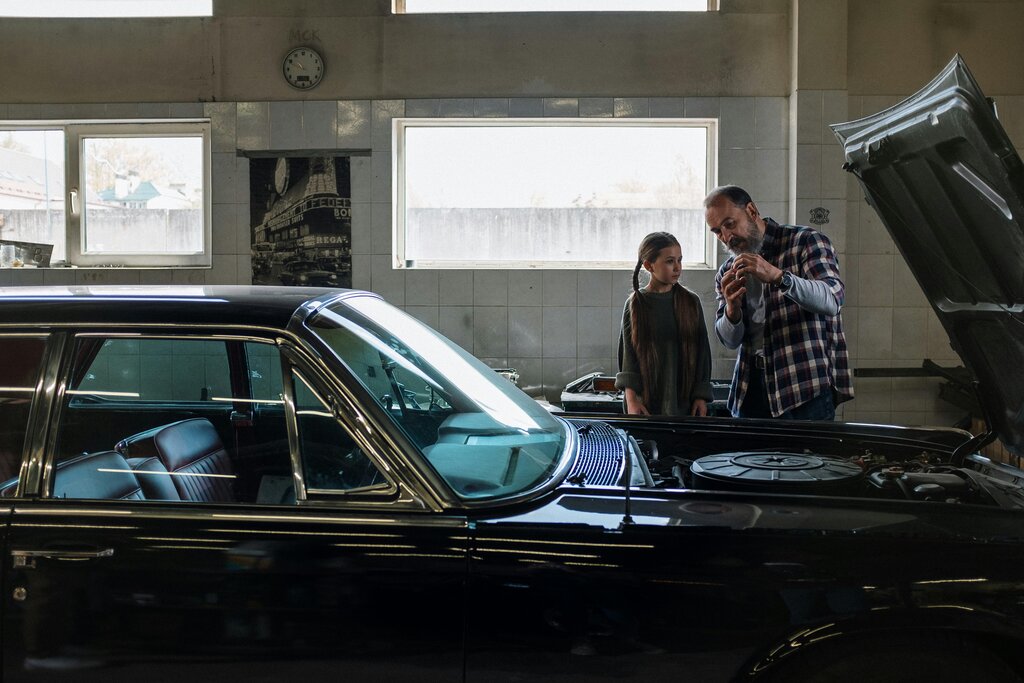
Diagnosing a problem in a vintage car is more of an art. It relies on your senses. You listen for strange noises, look for leaks or worn parts, and feel for vibrations. There's no diagnostic port to plug a computer into. The car communicates with you through its physical behavior, and learning its language is part of the joy of ownership.
Understanding these foundational differences is the first step. It’s not just about knowing how to turn a wrench; it's about appreciating a different era of engineering and building a more intimate relationship with your machine. Let's test what you've learned.
What is the primary construction method used in most vintage cars, where the body is a separate unit bolted onto a rigid steel frame?
Instead of modern electronic fuel injection, vintage cars typically use a purely mechanical device to mix air and fuel. What is this device called?
Embracing the simplicity and mechanical nature of vintage cars opens up a rewarding world for any enthusiast. It's a journey back to the fundamentals of how automobiles work.