Viking DLE-200B and POTS Cable Repair
Introduction to Analog Telephony
The Magic of Plain Old Telephone Service
Before the internet and smartphones, a different kind of network connected the world: the telephone system. It was a marvel of engineering that let you speak to someone miles away as if they were in the next room. This system, officially called the Plain Old Telephone Service or POTS, relied on a simple but powerful idea: turning your voice into electricity.
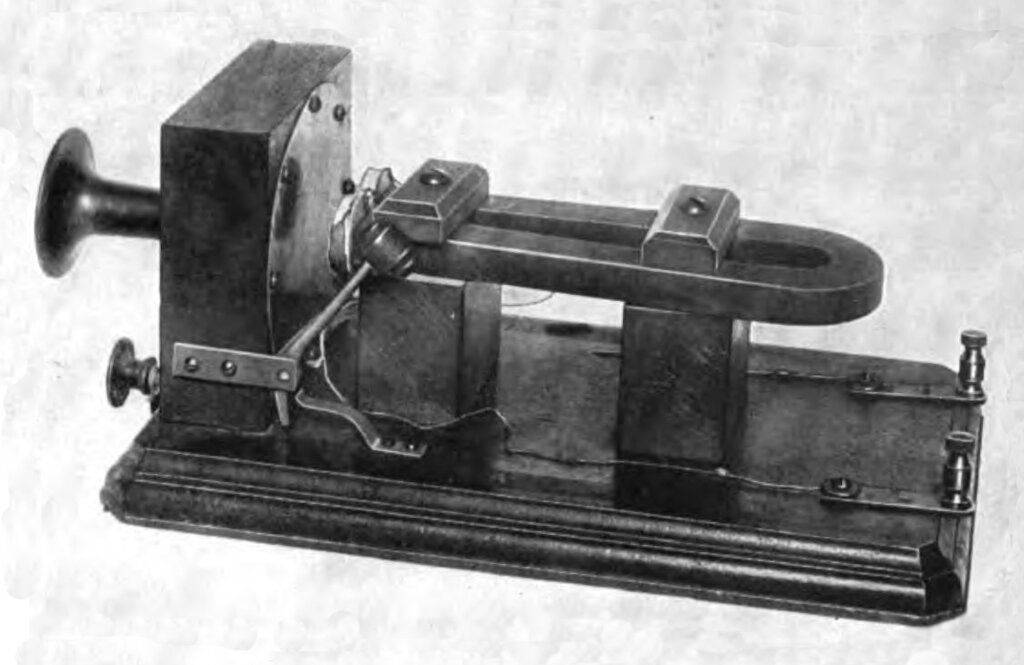
When you speak, you create sound waves, which are just vibrations in the air. The microphone in a telephone handset contains a thin, flexible sheet called a diaphragm. As sound waves from your voice hit it, the diaphragm vibrates back and forth, perfectly mimicking the pattern of your speech.
This vibration is then converted into a fluctuating electrical current. Think of it like water flowing through a garden hose. A loud sound is like turning the spigot all the way up, creating a strong current. A soft sound is like turning it down to a trickle. The pitch of your voice changes how quickly the current fluctuates. This electrical copy of your voice is called an analog signal.
Analog Signal
noun
A continuous electrical signal in which a variable quantity, such as voltage or current, is a direct representation of another time-varying quantity, like sound.
Connecting the Dots
That electrical signal needs a path to travel. A pair of copper wires, known as the subscriber line or local loop, runs from your home all the way to a local hub called a central office. Every home with a phone line has its own dedicated local loop connecting it to this building.
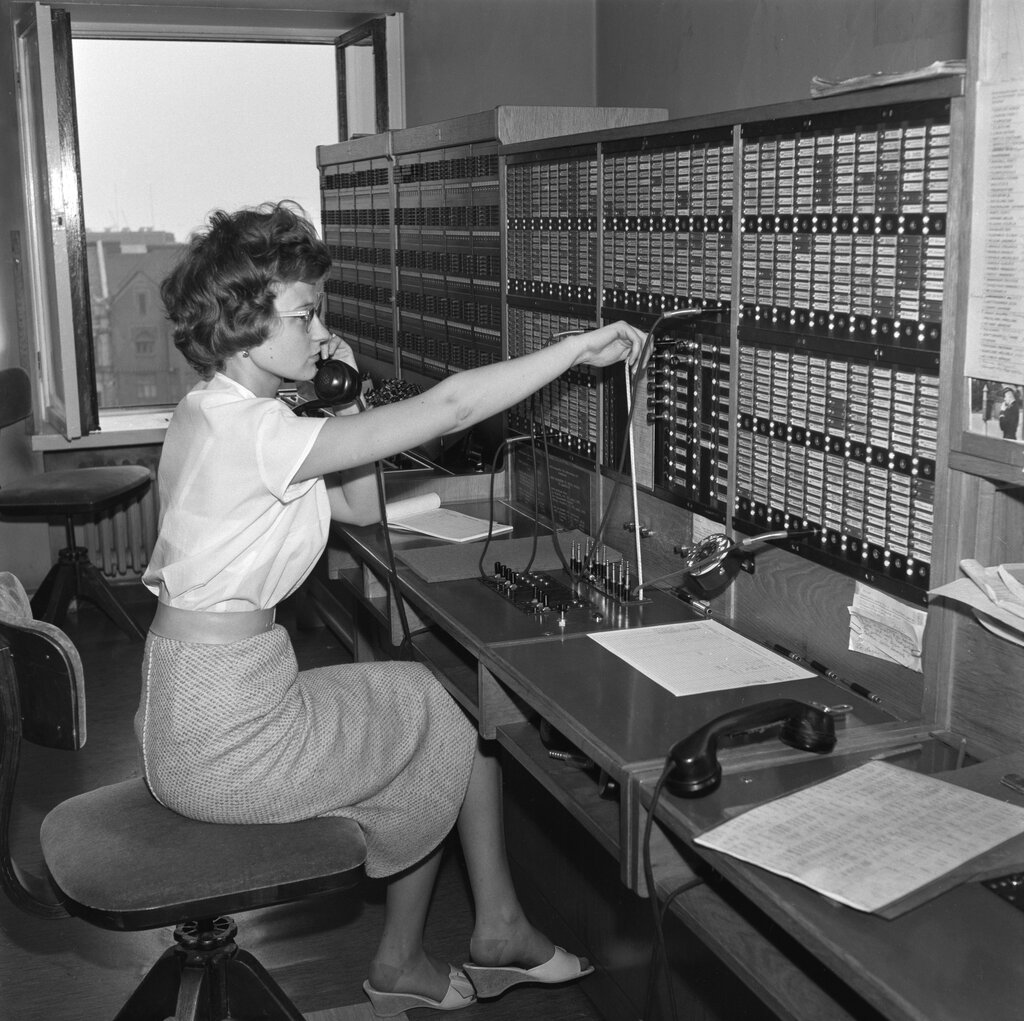
The central office is the nerve center of the local phone network. It houses the switching equipment that acts like a massive switchboard. When you dial a number, you're sending instructions to the central office, telling it which other local loop you want to connect to.
If you call your neighbor, the switch in your shared central office connects your line directly to theirs. If you call someone across town, your central office connects to their central office, which then connects the call to their house. For a long-distance call, multiple offices would link together in a chain to create a dedicated electrical circuit between the two phones for the duration of the call. This is why you used to hear clicks and whirs after dialing – it was the sound of mechanical switches physically making these connections.
Putting It All Together
So, the traditional telephone system has three main parts:
- The Telephone Set: This is the device in your home with a microphone to convert sound to electricity and a speaker (receiver) to convert it back to sound.
- The Local Loop: The pair of copper wires connecting your telephone to the central office.
- The Central Office (Exchange): The facility with the switching equipment that routes and connects calls.
On the other end of the line, the process happens in reverse. The analog signal travels to the other person's phone, where the receiver uses an electromagnet to vibrate its own diaphragm. This reproduces the original sound waves, and the other person hears your voice. The entire system works together to create a seamless, real-time conversation over miles of wire.
Time to review what we've covered.
What is the primary function of the diaphragm in a telephone's microphone?
In the POTS system, the electrical representation of a voice, where the current's fluctuation matches the sound's vibration, is called an analog signal.
This foundational system, though simple in principle, laid the groundwork for all modern communications. Understanding how it works is key to understanding the evolution of the networks we use today.