Vienna Street Food: Indian Flavors and Momo Delights
Origins of Momos
From Mountain to Mainstay
The story of the momo begins in the high, windswept plateaus of Tibet. Originally, these dumplings were a practical food, perfectly suited for the harsh climate and nomadic lifestyle. They were stuffed with yak meat, a readily available protein, and seasoned simply with onions, garlic, and salt. Their compact form made them easy to transport and cook over a simple fire, providing a warm, hearty meal for traders and herders.
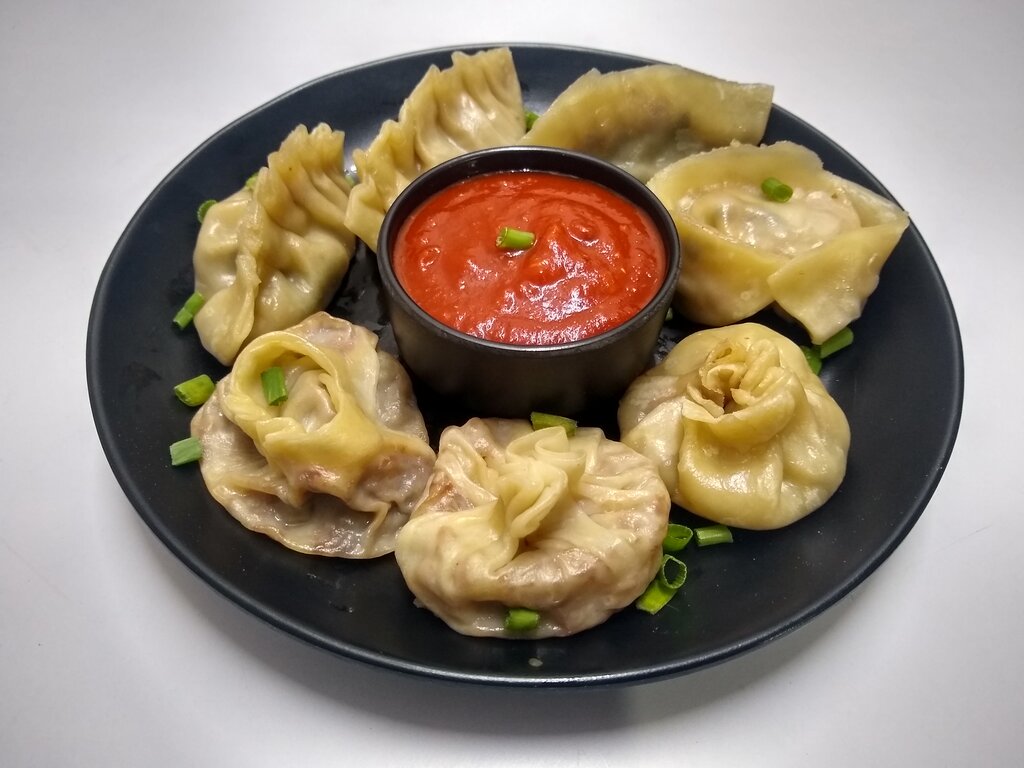
From Tibet, the momo traveled south into Nepal. This journey wasn't one of conquest, but of commerce and cultural exchange. Newar merchants from the Kathmandu Valley, who frequently traveled to Tibet for trade, brought the recipe back with them. In Nepal, the momo began to change. The yak meat filling was often replaced with water buffalo, known as buff, which was more common in the region. Nepalis also introduced a wider array of spices, creating a more complex and flavorful filling.
Carried by Commerce
Ancient trade routes were the highways of cultural diffusion, carrying not just goods but also ideas, languages, and recipes. The momo's journey is a perfect example of this. It spread along paths like the Tea Horse Road, a network of trails winding through the mountains of Sichuan, Yunnan, and Tibet. As traders moved along these routes, they shared their foods with the communities they encountered.
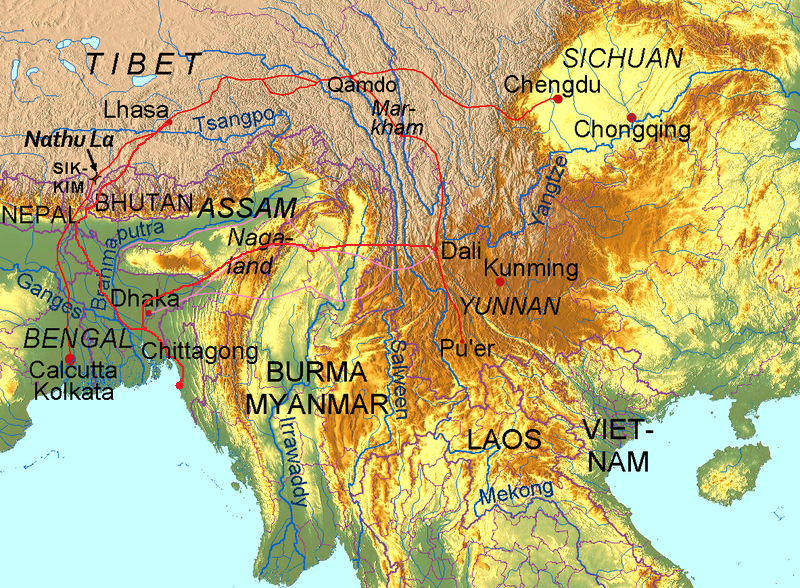
This exchange was a two-way street. As the momo was introduced to new places, it was adapted to fit local palates and available ingredients. The simple Tibetan dumpling was a blank canvas for culinary innovation.
A Dumpling for Every Palate
As the momo's popularity grew, its recipe evolved. In India, particularly in regions with large Tibetan and Nepali diaspora communities like Darjeeling and Sikkim, the momo was transformed. Indian spices such as cumin, coriander, and turmeric were added to the fillings. Given the large vegetarian population, fillings made from cabbage, potatoes, and paneer (a type of Indian cheese) became common.
In Bhutan, the dumpling took on a fiery character. The Bhutanese version often includes local cheese, called datshi, and a generous amount of chilies, reflecting the national love for spicy food. Each region put its own unique spin on the dish, but the fundamental concept of a steamed, savory dumpling remained.
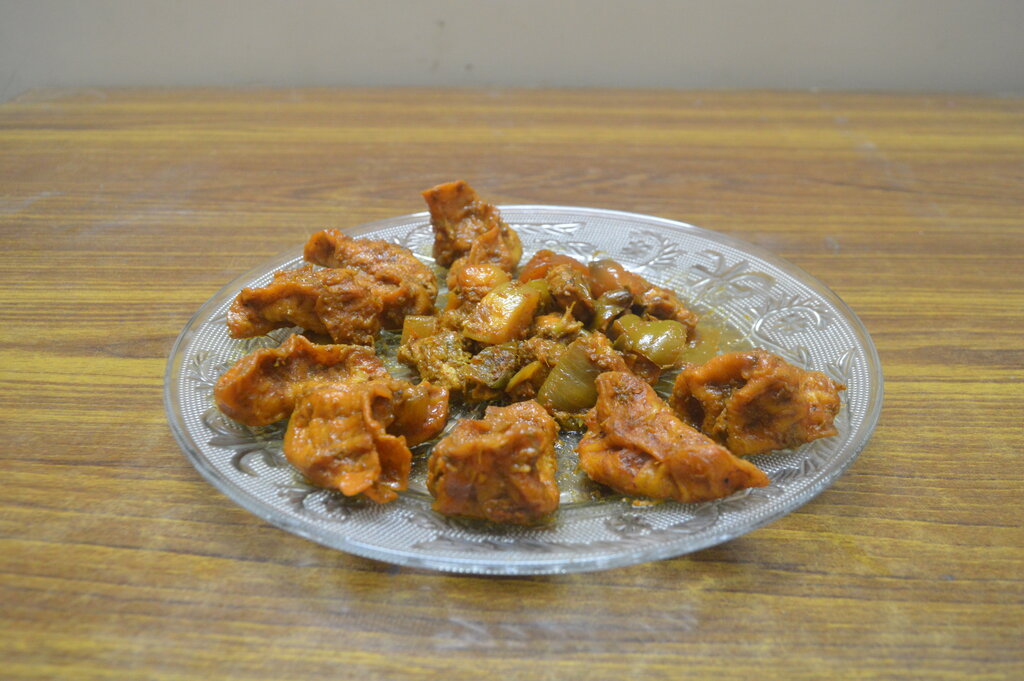
This process of adaptation shows how food can travel and transform, connecting different cultures while also highlighting their unique tastes. The momo is more than just a dumpling; it's a delicious piece of history, shaped by mountains, merchants, and migration.
Let's check your understanding of the momo's journey.
What was the primary filling for the original momos from Tibet?
How did the momo recipe first travel from Tibet to Nepal?
From a practical meal in the Himalayas to a beloved dish across Asia, the momo's history is a story of travel and transformation.