Video Storytelling for Marketing Mastery
Introduction to Video Storytelling
Why Stories Work
Video storytelling isn't just about making an ad. It's about creating a connection. In a world saturated with content, a good story is what makes a brand memorable. It's the difference between a video that gets scrolled past and one that gets shared.
At its core, storytelling in video marketing is the practice of using a narrative to communicate a message. The goal is to evoke an emotional response, making the viewer feel something for the brand beyond the product or service itself. This approach moves marketing from a simple transaction to a relationship.
People forget facts, but they remember feelings. Stories are the most effective way to create those feelings.
This isn't just a marketing theory; it's rooted in psychology. Our brains are hardwired to respond to narratives. A well-told story can capture attention, build trust, and make complex ideas easier to understand. When we hear a story, our brains release oxytocin, a hormone associated with empathy and bonding. This creates a powerful, positive association with the storyteller, which in this case, is the brand.
The Anatomy of a Video Story
Effective video stories don't need to be complicated. Most follow a simple, timeless structure that has three core components: a character, a conflict, and a resolution. Understanding these elements is the first step to crafting a compelling narrative for your audience.
- The Character: This is who the story is about. For a brand, the most relatable character is often the customer. By centering the story on a character the audience can see themselves in, you create an instant point of connection.
- The Conflict: This is the challenge or problem the character faces. It’s the source of tension in the story. In marketing, this conflict is typically the customer's pain point or an unmet need that your product or service can address.
- The Resolution: This is how the conflict is overcome. The character finds a solution, leading to a satisfying conclusion. Your product or service is often positioned as the tool that enables this resolution, making it the hero's helper, not the hero itself.
This structure provides a reliable framework. A video might introduce us to a character struggling with a common problem. We feel their frustration. Then, the video shows how a particular product helps them solve it, leading to a positive outcome. The story isn't about the product's features; it's about the character's transformation.
Putting It Into Practice
Consider a classic campaign like Dove's "Real Beauty." The characters are everyday women, not professional models. The conflict is the unrealistic standard of beauty portrayed in the media and the self-doubt it creates. The resolution is the message of empowerment and self-acceptance, with Dove's brand positioned as a champion for real beauty.
The campaign wasn't about soap. It was about a shared human experience. By telling a story that resonated on an emotional level, Dove built a powerful brand identity that has lasted for years.
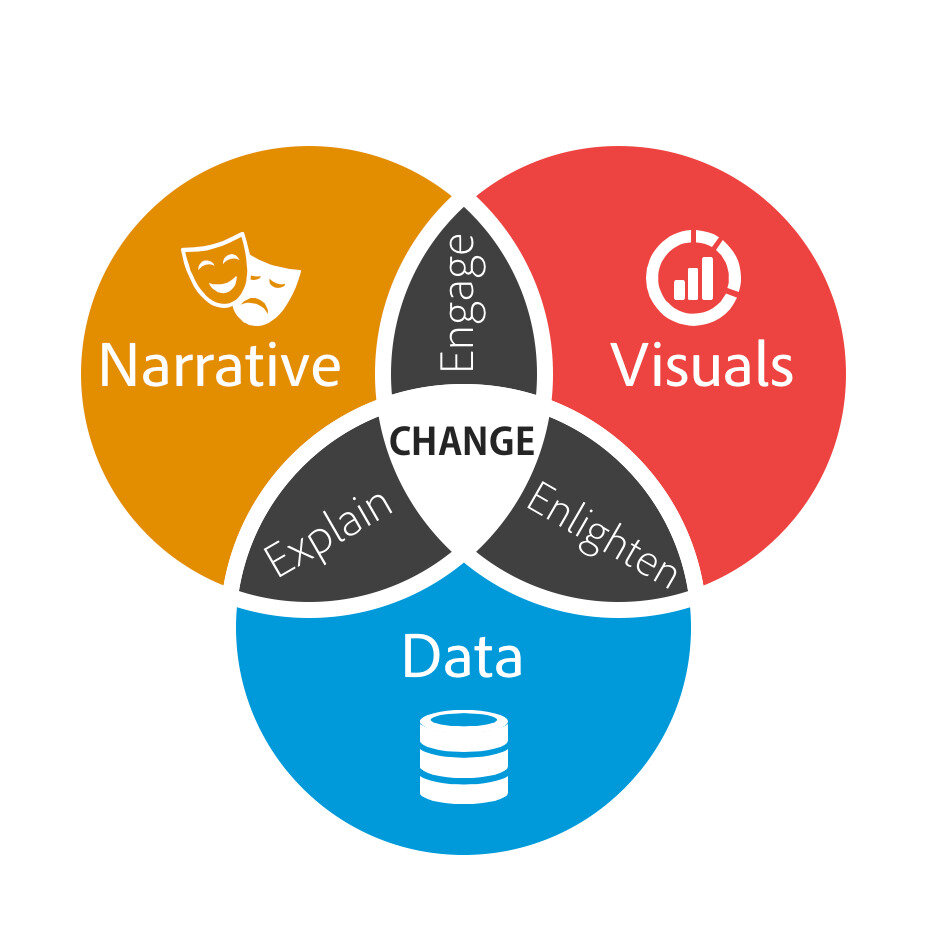
This approach is effective because it shifts the focus from selling to sharing. When a brand tells a story that aligns with its audience's values and experiences, it builds loyalty and trust that a traditional ad never could.
The classic storytelling arc—introduction, conflict, climax, and resolution—provides a clear framework for conveying your message.
Ready to review the core ideas of video storytelling?
Now, let's test your understanding with a few questions.
What is the primary goal of using storytelling in video marketing?
In the classic story structure for marketing, the customer's pain point or unmet need represents the what?
By focusing on a clear narrative, you can create videos that not only capture attention but also build a meaningful and lasting connection with your audience.