Video Game Economics Microtransactions and Live Services
Introduction to Video Game Economics
The One-Time Purchase
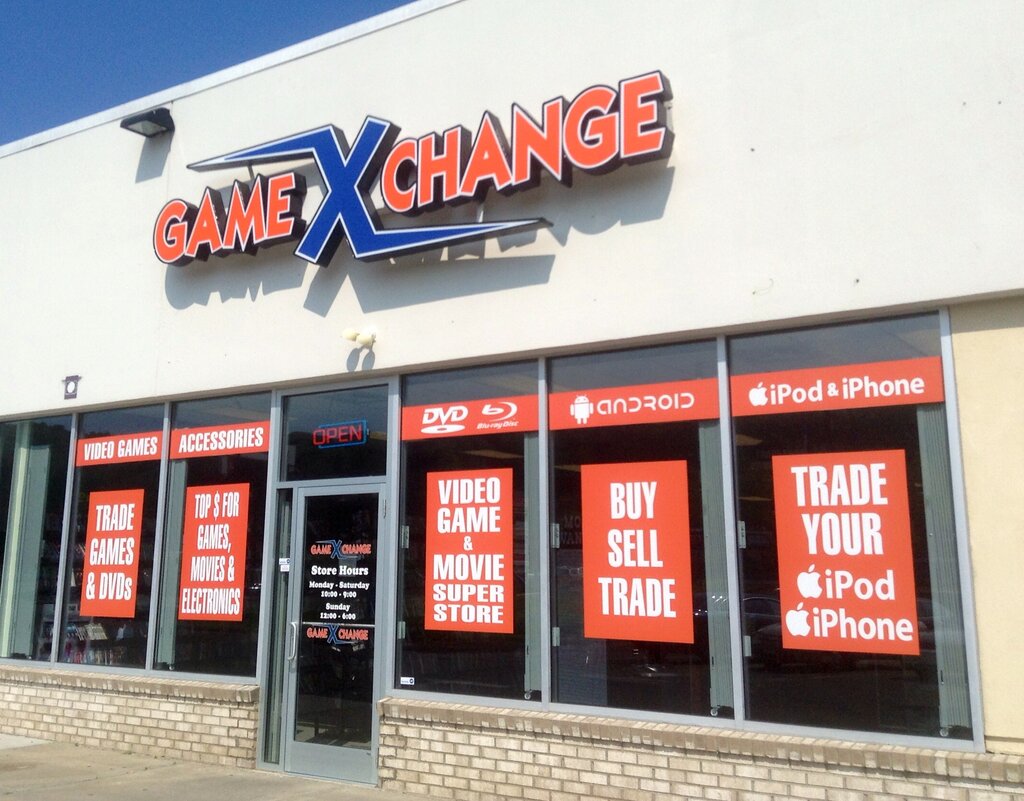
For decades, the business of video games was simple. A developer created a game, a publisher put it in a box, and you bought that box at a store. Whether it was a cartridge or a disc, the transaction was a one-and-done deal. You paid once and owned the full experience forever.
This model, often called "pay-to-play," meant that a game's success depended entirely on its initial sales. Publishers would ship millions of copies to retailers, hoping they'd fly off the shelves. Once a game was sold, the financial relationship between the player and the company was usually over, unless a major expansion pack was released later on.
A Digital Shift
The rise of the internet and digital storefronts like Steam, Xbox Live, and the PlayStation Store changed everything. Suddenly, publishers could sell games directly to players without needing a physical box or a retail middleman. This wasn't just more convenient; it opened up entirely new ways to think about selling games.
Digital distribution made it possible to sell smaller, cheaper games and to offer downloadable content (DLC) to expand existing ones. But more importantly, it paved the way for a new revenue model: microtransactions.
microtransaction
noun
A small in-game purchase of virtual goods or currency, often made with real money.
Instead of charging $60 upfront, some developers started releasing their games for free. The catch? Players could spend small amounts of real money inside the game for cosmetic items, time-savers, or other digital goods. This "free-to-play" model flipped the old system on its head. A game could be a massive financial success even if most of its players never spent a dime, as long as a dedicated minority made regular small purchases.
This growth was due in large part to a shift in monetization strategies: rather than charging players an upfront cost ("pay-to-play"), games often request optional microtransactions throughout gameplay ("free-to-play").
Games as an Ongoing Service
The rise of microtransactions led to the latest evolution in game economics: the "live service" model. A live service game isn't a static product that's finished on release day. It's an evolving experience, designed to be played for months or even years. Developers continuously add new content, host events, and tweak the gameplay to keep players engaged.
Think of it like a subscription to a TV show versus buying a movie. One is a single purchase for a complete story, while the other provides a steady stream of new content over time. Microtransactions and seasonal "battle passes" are the financial engines that fund this constant development, creating a long-term revenue stream from a single game.
This model turns a game from a one-time product into a continuous service, fundamentally changing the relationship between developers and players.
This shift has profound effects on game design. Instead of focusing solely on a launch-day experience, developers must now build systems that can support long-term engagement and monetization. It’s a major reason why many modern games feel fundamentally different from those of a decade or two ago.
Now, let's test your knowledge on these concepts.
What was the primary business model for video games before the widespread adoption of the internet and digital storefronts?
The introduction of which concept allowed developers to release games for free and still generate significant revenue?
Understanding these economic models is key to understanding the modern video game industry, from how games are made to why they are designed the way they are.