Video Game Creation Fundamentals
Introduction to Game Development
The Game Development Journey
Making a video game is a lot like shooting a film. It starts with a spark of an idea and ends with a finished product enjoyed by many. But between that spark and the final release is a structured, multi-stage journey. This process turns a simple concept into a complex, interactive world.
At its core, game development is the process of designing, creating, and maintaining video games.
This journey isn't a straight line. It's a series of phases, each with its own goals and challenges. Understanding these stages is the first step to understanding how your favorite games come to life.
Here's a quick look at what happens in each stage:
- Concept: This is the brainstorming phase. What is the game about? Who is it for? The team settles on a core idea.
- Pre-production: The idea gets fleshed out. The team creates plans, concept art, and prototypes to figure out if the game is fun. This is where the blueprint is made.
- Production: The longest and most intensive phase. Artists create assets, programmers write code, and designers build levels. The game is actually built.
- Testing: Also known as Quality Assurance (QA). Testers play the game relentlessly to find and report bugs. This ensures the game is stable and enjoyable.
- Launch: The game is released to the public! This involves marketing, distribution, and preparing for player feedback.
- Post-launch: The work isn't over. The team fixes bugs, adds new content, and listens to the community to keep the game fresh and engaging.
Assembling the Team
Games aren't built by one person, except in rare cases. Professional game development is a team sport, with specialists in different fields collaborating to create a cohesive experience. Each role is a vital piece of the puzzle.
| Role | Responsibility |
|---|---|
| Game Designer | Designs the core concepts, rules, and gameplay loops. The architect of fun. |
| Artist | Creates all the visual elements: characters, environments, and user interface. |
| Programmer | Writes the code that makes the game run, from player movement to enemy AI. |
| Audio Designer | Creates sound effects, music, and voice-overs to bring the game world to life. |
| Producer | The project manager. Handles schedules, budgets, and communication to keep the project on track. |
| QA Tester | Finds and documents bugs and gameplay issues to ensure a polished final product. |
On a large team, these roles are highly specialized. A big-budget game might have Narrative Designers, Level Designers, Character Artists, AI Programmers, and more. On a small indie team, one person might wear several hats. The key is communication. Everyone needs to work together toward the same vision.
The Blueprint for Fun
How does a team stay aligned? Through careful planning and documentation. The most important document is the Game Design Document, or GDD. It's a living document that details every aspect of the game, from the story and characters to the controls and game mechanics.
Learning how to make a video game starts with a clear concept and solid planning, including a flexible Game Design Document (GDD).
The GDD ensures that the artist creating the main character and the programmer coding the jump mechanic are both working from the same set of rules. It’s the single source of truth for the entire project.
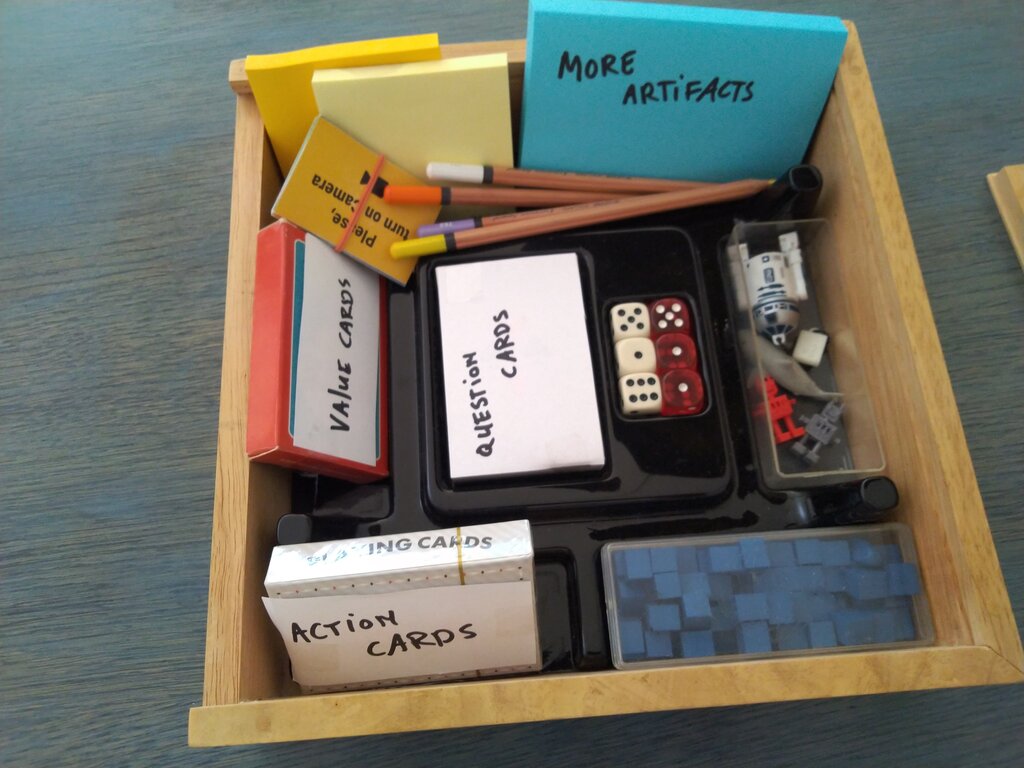
Game development is rarely a straight path from A to B. It’s an iterative process, meaning the team works in cycles. They build a small piece of the game, test it, gather feedback, and then refine it. This loop repeats over and over.
This iterative cycle is why prototyping is so important. A prototype is a rough, early version of the game used to test an idea. Is the core mechanic fun? Is the movement smooth? By building and testing prototypes, designers can find the fun and fix problems long before the full game is built.
This process continues even after launch. When you download a patch or an update for a game, you're seeing the results of this ongoing iterative cycle of development and refinement.
Ready to check your understanding? Let's see what you've learned about the game development process.
Which of the following lists the game development stages in the correct chronological order?
What is the primary purpose of a Game Design Document (GDD)?
With this foundation, you can now see how the different pieces of game creation fit together, from the first idea to the finished game in your hands.