Video Editing for Social Media Growth
Introduction to Video Editing
Why Video Matters
In a sea of social media content, video is your lifeboat. It grabs attention better than text or static images, making it a powerful tool for engaging an audience. Think about your own scrolling habits. A moving image is more likely to make you pause and watch.
A well-edited video does more than just stop the scroll. It tells a story, conveys emotion, and makes your message feel polished and professional. It shows that you care about your content, which in turn makes people care. Even simple edits can transform a rough clip into something compelling that people want to share.
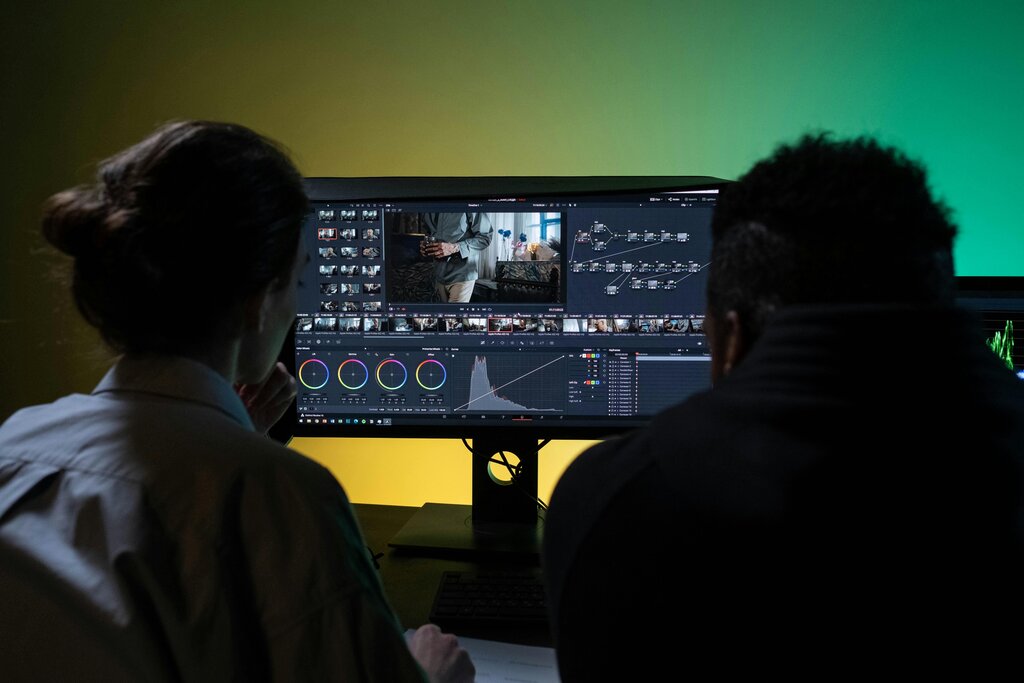
The Building Blocks of an Edit
Video editing might sound complex, but it's built on a few simple actions. Mastering these fundamentals is the first step toward creating great content.
Trimming is the art of shortening a clip from the beginning or end. Imagine you started recording a second too early or let the camera run a bit too long. Trimming cleans that up, leaving you with just the good stuff.
Cutting involves removing a piece from the middle of a clip. This is useful for taking out mistakes, long pauses, or anything that slows down the pace. If you stumbled on a word or a car horn blared in the background, you can just cut it out.
Sequencing is arranging your trimmed and cut clips in a specific order. This is where you build your narrative. By placing clips one after another, you create a flow that guides the viewer from the beginning to the end of your story.
The goal of these basic edits is simple: remove distractions and arrange the remaining clips to tell a clear and engaging story.
From Idea to Final Cut
Creating a video is a process with three distinct stages. Understanding this workflow helps you stay organized and produce better content more efficiently.
The first stage is Planning. This is your pre-production phase. Here, you'll brainstorm ideas, write a script or outline, and decide what story you want to tell. A good plan makes the next two stages much smoother.
Next comes Shooting, or production. This is where you capture all the video clips, known as raw footage. You're focused on getting the shots you planned, paying attention to things like lighting and clear audio.
The final stage is Post-Production. This is where the editing magic happens. You'll take all the clips you shot, import them into an editing program, and start trimming, cutting, and sequencing them to bring your plan to life.
Basic editing—like splicing, adding subtitles, adjusting brightness, or overlaying music—often elevates your content from “rough clip” to “scroll-stopping gem.”
Ready to check your understanding? Let's review what we've covered.
What is the primary reason video is considered a more powerful tool for social media engagement than static images or text?
Which editing action is used to remove a mistake from the middle of a video clip?
By understanding these core concepts, you've built a solid foundation for turning your ideas into engaging videos.