Video Editing Essentials
Introduction to Video Editing
The Art of the Cut
Video editing is the process of arranging and modifying video shots to create a new, cohesive whole. Think of it like writing an essay. You start with a collection of sentences and paragraphs—your raw footage. Editing is how you organize those pieces, cut out what isn't needed, and polish the rest to tell a clear and compelling story.
Editing is just storytelling with clips.
At its core, editing breathes life into raw footage. It shapes the rhythm, pace, and emotional flow of a video. An editor decides which shots to use, how long to show them, and in what order they appear. These choices are what transform a collection of random clips into a narrative that can make an audience feel excited, sad, or informed.
From Scissors to Software
Video editing wasn't always a matter of clicks and keystrokes. In the early days of cinema, editing was a physical, hands-on job. Editors literally cut strips of film with scissors and taped them together in the desired sequence. This was called linear editing, because to change anything, you had to re-cut and re-tape everything that came after it. It was a slow and painstaking process.
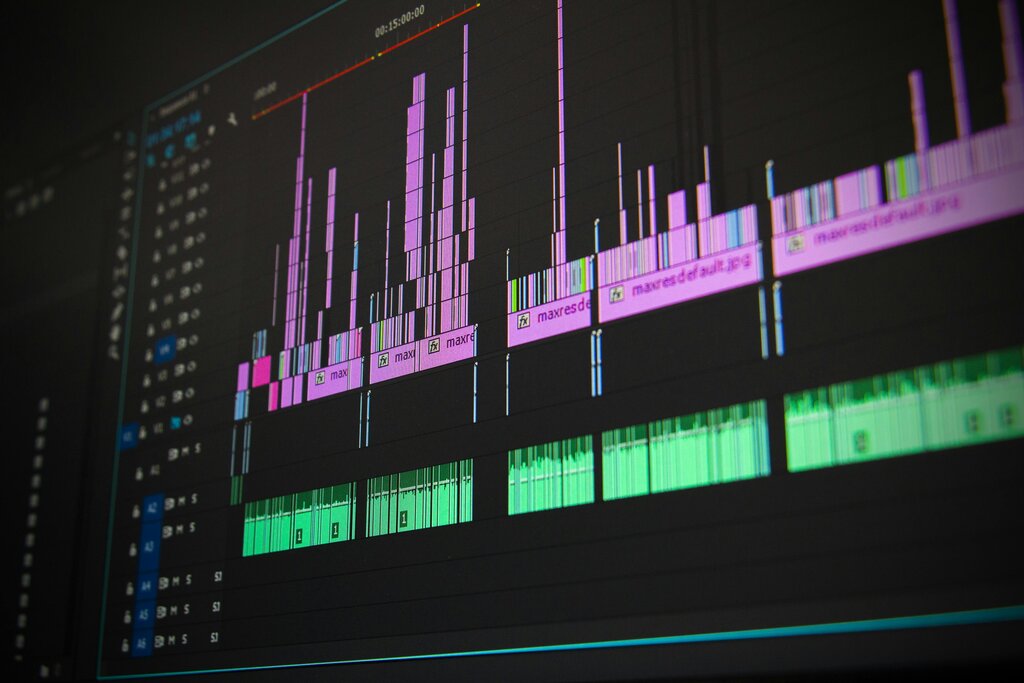
The digital revolution changed everything. With the invention of non-linear editing (NLE) software, editors could jump to any point in a video, make changes instantly, and experiment without destroying the original footage. This newfound flexibility opened up a world of creative possibilities, allowing for the complex and fast-paced editing styles we see today in movies, TV shows, and online content.
Shaping the Narrative
Every cut an editor makes is a storytelling decision. The choice of which shot to show the audience, and when, has a massive impact on how they interpret the story.
Imagine a scene with two people talking. Do we see a wide shot of both of them? Or a close-up on the speaker's face to emphasize their words? Or maybe we focus on the listener's reaction? Each choice tells a slightly different story and guides the audience's focus.
The order of shots creates meaning. A shot of a person looking, followed by a shot of a cake, implies they are looking at the cake. Reverse the order, and the meaning changes.
Pacing is another powerful tool. A rapid succession of short clips can create a sense of energy, excitement, or chaos—perfect for an action sequence. In contrast, long, lingering shots can build tension, evoke a sense of calm, or allow the audience to absorb an emotional moment. The editor controls the video's heartbeat.
Ready to check your understanding of these core ideas?
What is the primary goal of video editing?
What was the main limitation of early 'linear' editing, which involved physically cutting and taping film strips?
Understanding these fundamentals is the first step. It's not about knowing which buttons to press, but why you're pressing them.