Video Creation Fundamentals
Introduction to Video Production
The Three Stages of Production
Making a video is a lot like building a house. You don't just start hammering nails into wood. You need a blueprint, you need to build the structure, and then you need to finish it with paint and furniture. Video production follows a similar three-part process: pre-production, production, and post-production.
First up is pre-production. This is the planning phase, and it's arguably the most important. It’s where you figure out the story, write the script, and decide what your video will look and sound like. You'll create storyboards, which are like comic-book versions of your video, to plan out your shots. You'll also handle logistics like scouting locations, casting actors if you need them, and scheduling the shoot. A solid plan here makes everything else run smoothly.
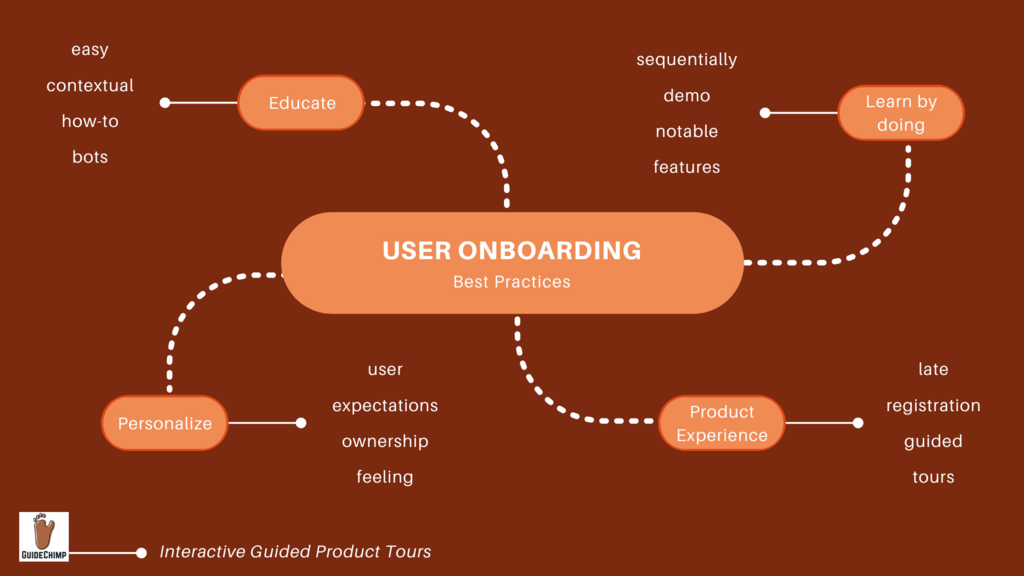
Next comes production, the part everyone thinks of when they hear “filmmaking.” This is when you actually shoot the video. The crew sets up cameras, lights, and microphones. The director guides the on-screen talent, and the camera operator captures all the action. The goal is to film all the scenes and record all the audio you planned for in pre-production. It's a busy, collaborative effort to bring the script to life.
Finally, there’s post-production. After all the footage is shot, the real shaping of the story begins. An editor pieces together the best takes to create a seamless narrative. This is also where sound is mixed, music is added, colors are corrected to create a certain mood, and visual effects or graphics are incorporated. Post-production turns raw footage into a polished, final product.
Post-production is where you shape your story from all the raw pieces.
Who Does What?
Even on a small project where one person does everything, it’s helpful to understand the key roles. On a larger team, these responsibilities are divided among specialists who work together to create the final video.
| Role | Responsibility |
|---|---|
| Producer | Manages the entire project, from budget and scheduling to hiring crew. They oversee the production from start to finish. |
| Director | Shapes the creative vision. They guide actors and the crew to bring the script to life on screen. |
| Cinematographer | Also called the Director of Photography (DP), they are in charge of the camera and lighting to create the visual style. |
| Sound Mixer | Captures all the audio on set, from dialogue to ambient noise, making sure it's clean and clear. |
| Editor | Assembles the video in post-production, choosing the best shots and crafting the final story. |
Essential Tools of the Trade
You don't need a Hollywood budget to get started, but a few key pieces of equipment are essential for creating quality video. These are the basic building blocks of any production kit.
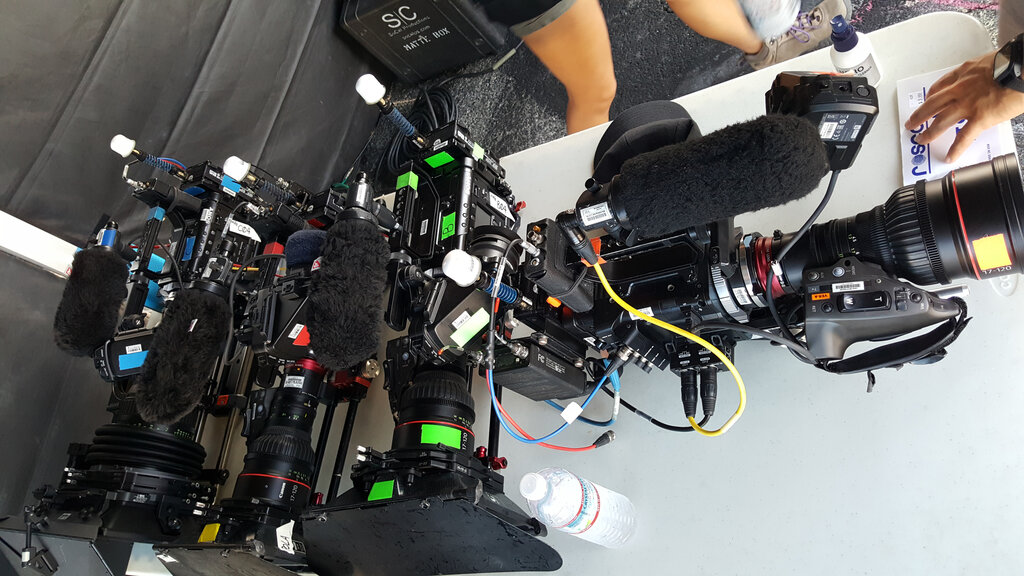
First, you need a camera. This could be anything from a smartphone to a high-end cinema camera. The best camera is the one you have access to and know how to use. What's important is that it can capture clear, stable video.
Next is sound equipment. Bad audio can ruin a great-looking video. At a minimum, you'll want an external microphone that can capture clearer sound than the one built into your camera. This could be a lavalier mic that clips onto a shirt or a shotgun mic that points at the subject from a distance.
Lighting is also crucial. Good lighting shapes the mood of a scene and makes sure your subject is clearly visible. A simple three-point lighting setup—using a key light, fill light, and back light—is a classic technique to make your shots look professional.
Finally, for post-production, you'll need editing software. There are many options available, from free programs that cover the basics to professional software used in feature films. This is where you'll cut your clips, adjust color, and mix your audio.
Let's check your understanding of these foundational concepts.
Which phase of video production involves planning, scripting, and storyboarding?
The process of editing clips, adding music, and correcting color happens during the production phase.