Video AI Explained
Introduction to Video AI
What Is Video AI?
Video AI is technology that teaches computers to understand the content of a video. It's not just about playing a file; it's about interpreting what's happening within the frames. This means identifying objects, recognizing faces, tracking movement, and even understanding complex actions and events.
Think of it as giving a computer a pair of eyes and a brain to process what it sees. It can analyze footage from a security camera to spot unusual activity, help a self-driving car navigate a busy street, or even add special effects to a movie by understanding the scene's layout.
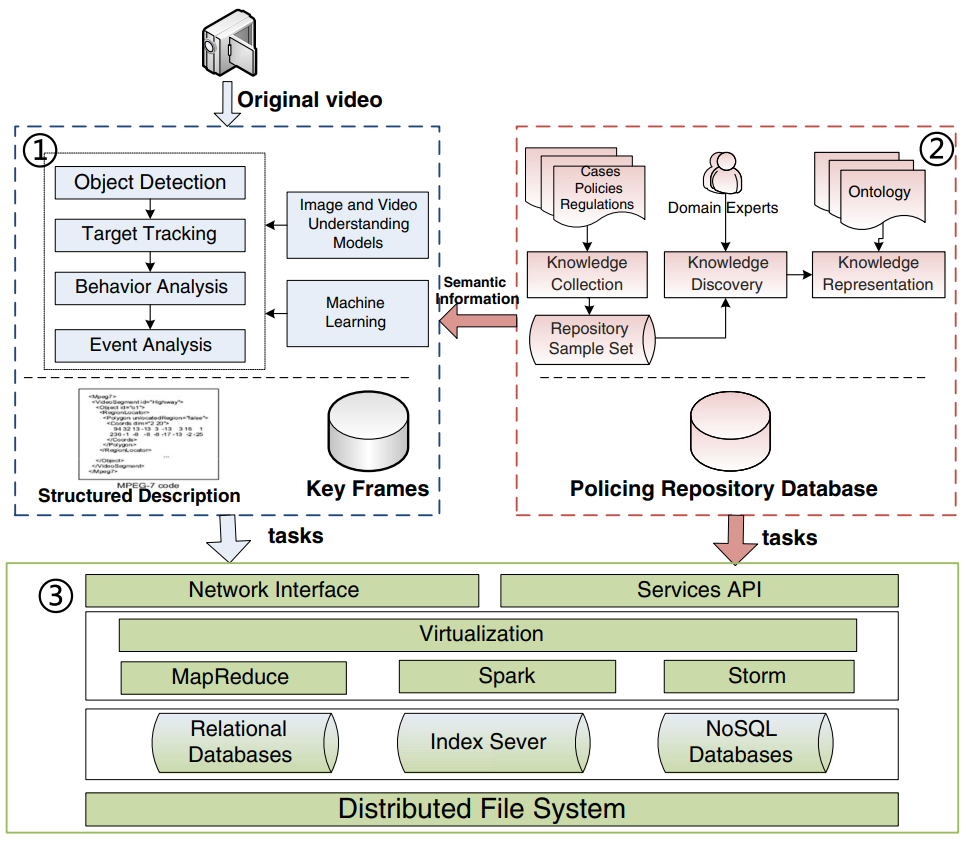
At its core, video AI performs several key tasks:
- Object Detection: Finding and identifying specific items in a video, like a car, a person, or a specific product on a shelf.
- Target Tracking: Following a specific object or person as they move from one frame to the next.
- Action Recognition: Understanding what is happening, such as a person running, a car turning, or a crowd gathering.
The Core Concepts
Video AI isn't magic. It's built on the foundations of broader artificial intelligence, primarily machine learning and deep learning.
Machine Learning
noun
A type of AI that enables a system to learn and improve from experience without being explicitly programmed.
In the context of video, machine learning models are trained on vast amounts of video data. By analyzing thousands of hours of footage showing cars, for example, a model learns to recognize a car in a new video it has never seen before.
Deep learning is a more advanced subset of machine learning. It uses complex structures called neural networks, which are inspired by the human brain. These networks have many layers, allowing them to learn intricate patterns from data.
For video analysis, deep learning is a game-changer. The multiple layers in a deep neural network can process different aspects of an image. Early layers might detect simple features like edges and colors, while deeper layers can recognize more complex shapes like faces, and even deeper layers can identify specific actions.
Video in Action
The applications of video AI are already widespread and continue to grow. It's quietly reshaping entire industries.
| Industry | Application | What It Does |
|---|---|---|
| Healthcare | Surgical Assistance | Analyzes live video from surgery to guide surgeons and identify anomalies. |
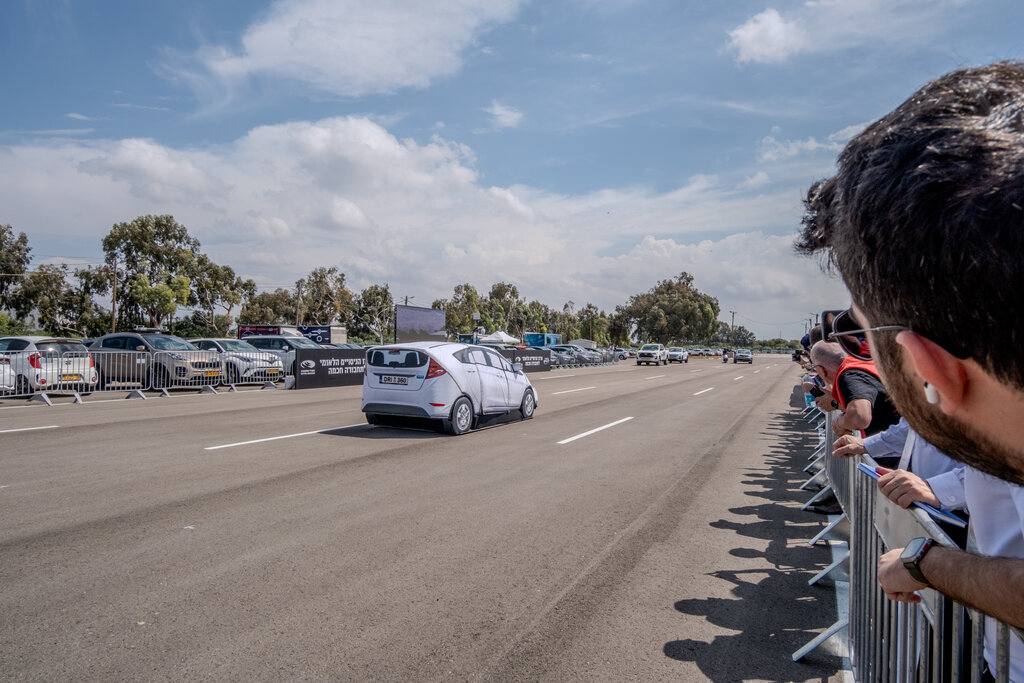
| Automotive | Self-Driving Cars | Uses cameras to detect pedestrians, other vehicles, and traffic lanes to navigate safely. |
| Entertainment | Content Moderation | Automatically scans user-uploaded videos for inappropriate content on platforms like YouTube. |
| Retail | Shopper Analytics | Tracks customer movement in stores to optimize layout and understand buying behavior. |
What's Next?
The field of video AI is moving incredibly fast. One major trend is real-time analysis. Early systems needed to process video after it was recorded. Now, AI can analyze live streams with minimal delay, which is crucial for applications like autonomous driving and security.
Another exciting area is generative video. Just as AI can now create realistic images and text from a simple prompt, it's beginning to do the same for video. This could revolutionize filmmaking, content creation, and even virtual reality.
Finally, AI is getting better at understanding the full context of a video—not just identifying objects, but grasping the narrative, the emotions, and the relationships between characters. This deeper comprehension will unlock even more sophisticated applications in the years to come.
Let's review some of the key ideas we've covered.
What is the primary function of Video AI?
A self-driving car needs to follow the car in front of it, maintaining a safe distance. Which core Video AI task is most critical for this specific function?