Victorian Public Service Executive Fundamentals
Victorian Public Service Overview
The Engine Room of Victoria
Every day in Victoria, millions of people go to school, drive on roads, visit parks, and turn on the tap for clean water. Behind these essential services is a massive, complex organization: the Victorian Public Service, or VPS. It's the administrative arm of the state government, tasked with putting the laws and policies made by elected officials into action.
Think of the government you vote for as the board of directors of a huge company. They set the vision and make the big decisions. The VPS is the rest of the company—the managers and employees who handle the day-to-day operations to make that vision a reality. It's a non-political body, meaning it serves the government of the day, regardless of which party is in power. This ensures that essential services continue to run smoothly for everyone.
How It's All Put Together
The VPS is not one single entity but a network of different bodies, each with a specific focus. The structure is built around departments, which are the main pillars of the organization.
There are departments for major areas like Health, Education, Justice and Community Safety, and Transport and Planning. Each one is headed by a Secretary who reports to a government Minister.
Working alongside these large departments are hundreds of public sector agencies and authorities. These are more specialized organizations that often have a more direct, hands-on role. They might manage specific assets, regulate industries, or deliver niche services. Examples include Parks Victoria, the Environment Protection Authority (EPA), and the Country Fire Authority (CFA).
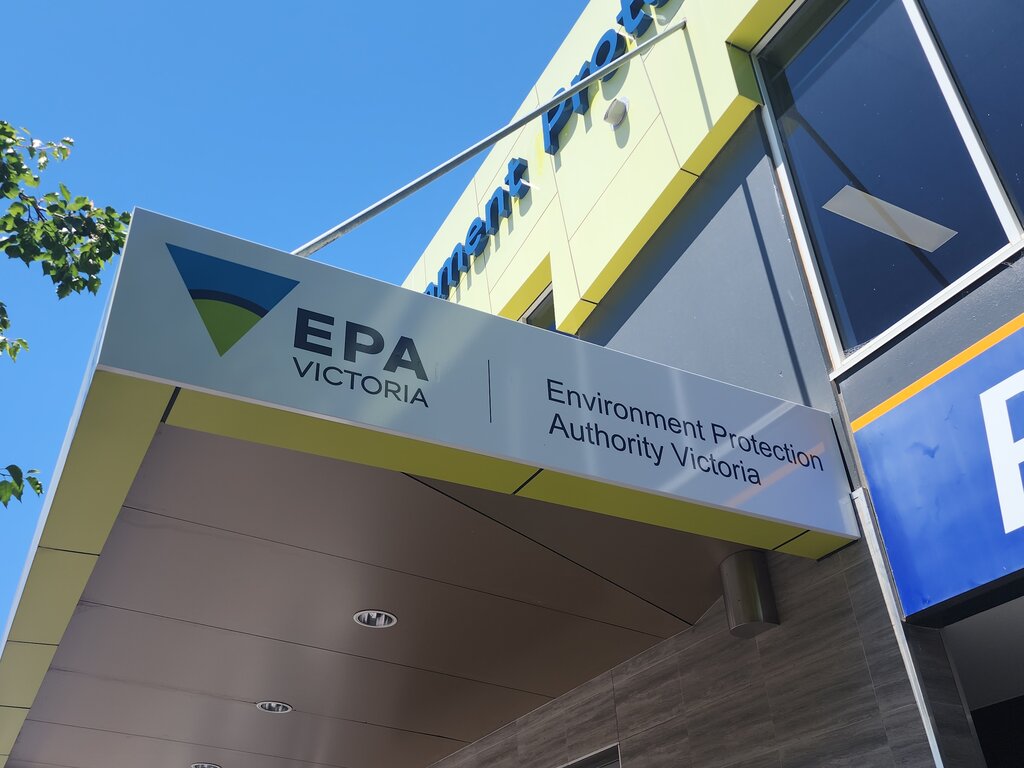
This structure allows the government to manage broad policy areas through its departments while relying on the focused expertise of its agencies for specific tasks.
What Does the VPS Actually Do?
The responsibilities of the VPS can be broadly split into two key functions: developing policy and delivering services.
Policy Development: This is the 'thinking' part of the job. When the government wants to address an issue—say, improving recycling rates—it's the VPS that does the groundwork. Public servants research the problem, analyze data, consult with community groups and industry experts, and look at what's worked elsewhere. They then present a range of options and recommendations to the relevant Minister, who makes the final decision. This process ensures that government decisions are based on solid evidence and careful consideration.
Service Delivery: This is the 'doing' part. It’s the most visible function of the VPS because it directly affects the public. This includes everything from operating the state's schools and hospitals to maintaining roads and managing public transport. It involves issuing driver's licenses, running correctional facilities, protecting vulnerable children, and responding to emergencies. Essentially, if you are interacting with a government service in Victoria, you are interacting with the VPS.
Why It Matters to You
The significance of the VPS in the community is immense. It's the machinery that keeps the state running. Its work provides the framework for a safe, healthy, and prosperous society. The quality of public schools, the reliability of trains and trams, the safety of our food, and the preservation of our natural environment are all tied to the effectiveness of the public service.
The VPS acts as a bridge between the government's ambitions and the public's daily experience. It translates political promises into tangible outcomes.
By providing stable, professional, and impartial advice and services, the VPS helps ensure that government works for everyone in the community. It's a vital institution that underpins the daily life and long-term well-being of Victoria.
Time to check your understanding.
What is the primary role of the Victorian Public Service (VPS)?
The VPS's function of policy development can be described as the 'thinking' part of its job.
This foundational structure of departments and agencies is the context in which all public sector work, including executive leadership, takes place.