Vibrations and Waves for Beginners
Simple Vibrations
What is a Vibration?
Everything that makes a sound, from a humming bee to a roaring engine, starts with a vibration. A vibration is simply a quick, repetitive back-and-forth motion around a central point. Think of an object at rest. If you nudge it, and it wiggles back and forth before settling down again, you've just witnessed a vibration.
Let's try a simple experiment you can do right now. Place a ruler on the edge of a desk, with about half of it hanging off. Hold the part on the desk firmly with one hand. Now, with your other hand, push the free end down and let it go. It doesn't just return to its flat starting position and stop. Instead, it snaps up, goes past its starting point, comes back down, and repeats this motion several times, getting smaller each time until it stops. This is a perfect example of mechanical oscillation.
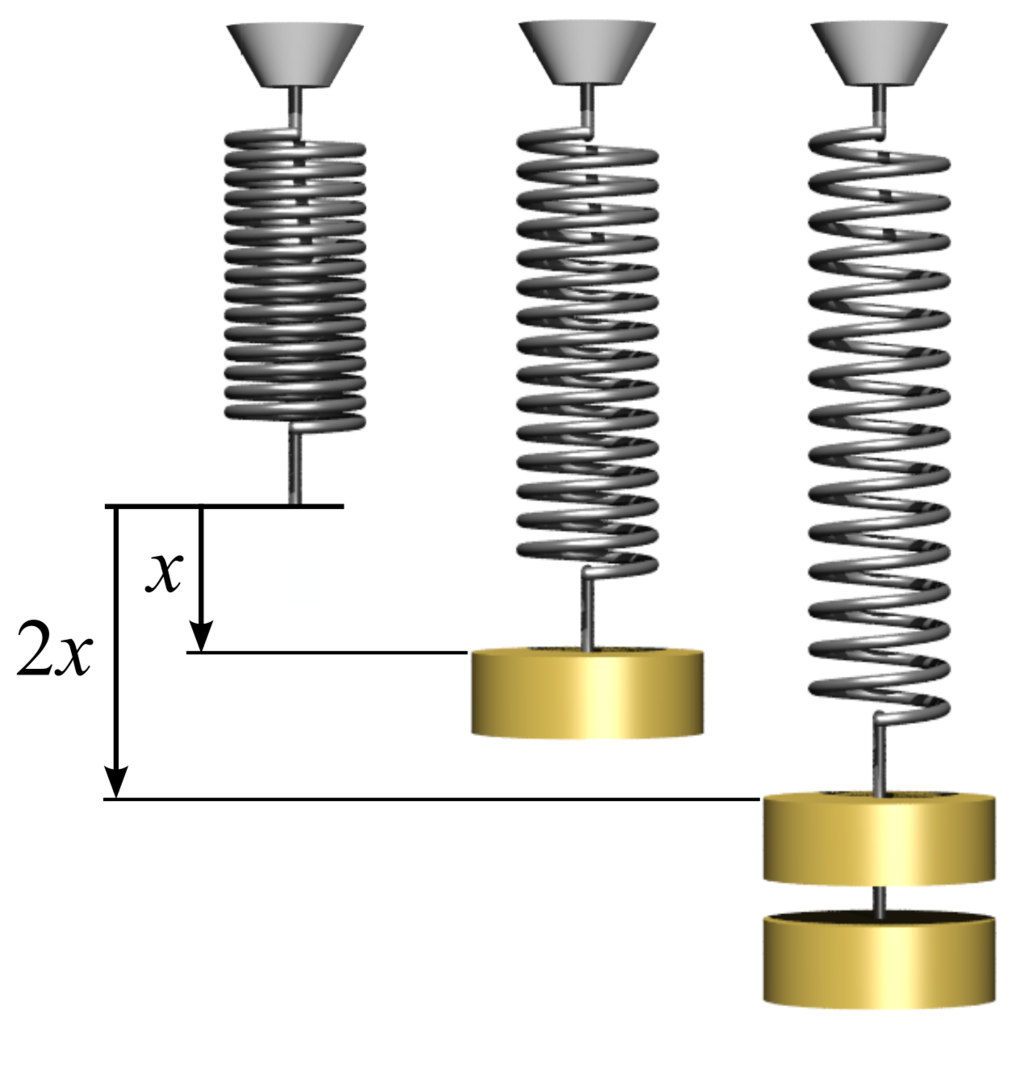
The flat, unmoving position where the ruler started is called its or resting position. It's the state of balance the object naturally returns to when no forces are acting on it. The flick you gave it was an outside force that disturbed this equilibrium. The resulting back-and-forth movement is the vibration.
The same principle applies to a guitar string. When a musician plucks a string, they are pulling it away from its straight, resting position. Once released, the tension in the string pulls it back, causing it to vibrate rapidly. You can see the string become a blur as it moves back and forth.
The Start of Every Wave
This idea is fundamental. Every mechanical wave, like the sound traveling from a guitar to your ear, begins with a vibration. The vibrating object, whether it's a string or the ruler from our experiment, pushes and pulls on the air particles right next to it. This disturbance then travels outwards as a wave.
A vibration is the source; a wave is the energy traveling from that source.
Think of it like this: if you drop a pebble into a still pond, the pebble hitting the water is the initial disturbance. The pebble creates a vibration in the water at that spot. The ripples that spread outwards across the pond's surface are the waves. The water itself doesn't travel across the pond; the energy does. Without that first vibration from the pebble, the water would remain perfectly still.
What is the fundamental cause of all sound?
The flat, unmoving state an object naturally returns to when no forces are acting on it is called its __________.
Understanding this simple cause-and-effect relationship is the first step to understanding everything about sound, music, and waves.