Vibing with Your Code
Introduction to Mindfulness
What is Mindfulness?
Have you ever driven somewhere and realized you don't remember the trip at all? Or eaten a whole meal without really tasting it? Most of us spend a lot of time on autopilot, thinking about the past or worrying about the future. Mindfulness is the gentle practice of pulling yourself back to the present moment.
Mindfulness
noun
The mental state of focusing your awareness on the present moment, while calmly acknowledging and accepting your feelings, thoughts, and bodily sensations without judgment.
The key principles are simple: pay attention to what's happening right now, and do it with a sense of curiosity and kindness. It’s not about emptying your mind or stopping your thoughts. It’s about noticing them without getting carried away. You observe your thoughts like clouds passing in the sky, acknowledging them and then letting them go.
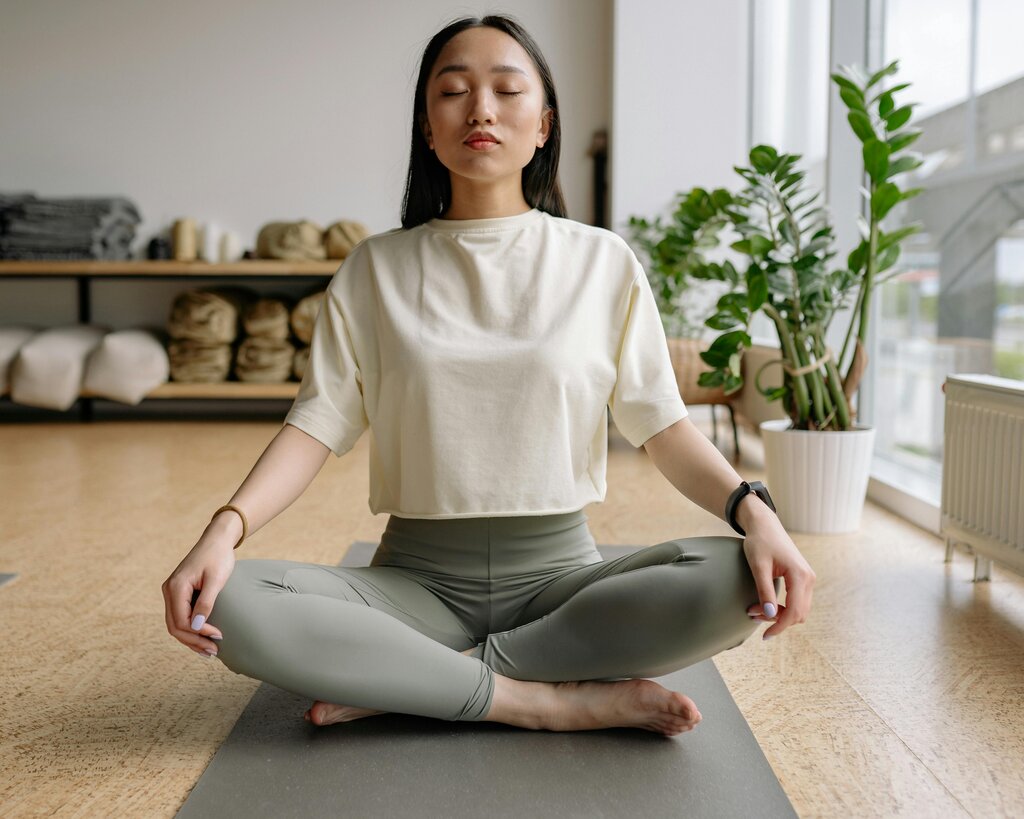
The Benefits of a Mindful Brain
When we're stressed, our minds often race, jumping from one worry to the next. This creates a cycle of anxiety. Mindfulness helps interrupt that cycle. By anchoring yourself in the present, you give your mind a break from the constant mental chatter.
Regular practice can have a real impact on your well-being. Studies show that mindfulness can reduce symptoms of stress and anxiety, improve your ability to focus on tasks, and help you better regulate your emotions. Instead of reacting impulsively to difficult situations, you can learn to respond with more calm and clarity.
Regular practice of mindfulness can improve focus, attention, and cognitive performance, making it easier to manage our stress triggers and avoid feelings of overwhelm.
Think of it like exercise for your brain. The more you train your attention to stay in the present, the stronger that ability becomes.
Simple Ways to Practice
You don't need special equipment or a lot of time to start. Here are a few basic techniques you can try right now.
Mindful Breathing
- Find a comfortable place to sit. You can close your eyes or keep them softly open.
- Bring your attention to your breath. Don't try to change it; just notice it.
- Feel the air entering your nose, filling your lungs, and then leaving your body.
- When your mind wanders (and it will!), gently guide your attention back to your breath. Do this for just a minute or two to start.
Another powerful exercise is the body scan. This helps you reconnect with your physical self and notice sensations you might normally ignore.
The Body Scan
- Lie down comfortably on your back.
- Bring your attention to the toes on your left foot. Notice any sensations: tingling, warmth, pressure. Don't judge them, just notice.
- Slowly move your attention up your body: to your foot, ankle, shin, and so on. Do this for your entire left leg, then your right leg, torso, arms, and head.
- The goal isn't to feel anything specific, but simply to be aware of your body, part by part.
These exercises aren't about achieving a perfect state of calm. They're about practicing the act of returning your focus, again and again, to the present moment.

Mindfulness in Everyday Life
Formal practice like meditation is great, but the real power of mindfulness comes from integrating it into your daily life. You can turn almost any activity into a mindfulness exercise.
Try mindful eating. Instead of rushing through your next meal, slow down. Pay attention to the colors, smells, and textures of your food. Notice the taste of each bite. When you wash the dishes, feel the warmth of the water and the slickness of the soap on your hands.
When you're walking, notice the feeling of your feet on the ground and the air on your skin. Listen to the sounds around you. By bringing this awareness to simple, everyday moments, you anchor yourself in the present and find pockets of calm throughout your day.
Let's review some of the key ideas we've covered.
Now, check your understanding with a few questions.
What is the primary goal of mindfulness practice?
According to mindfulness principles, how should you treat your thoughts?
Mindfulness isn't a quick fix, but a skill you can develop over time. By starting with these simple practices, you can build a stronger connection to the present moment and improve your overall well-being.