Vibecoding Fundamentals
Introduction to Vibecoding
What is Vibecoding?
Imagine describing an app you want to build in plain English, and an AI assistant writes the code for you. That’s the core idea behind vibecoding. It’s a way of developing software where you collaborate with an AI, using natural language to guide it.
Vibe coding, a term coined by Andrej Karpathy in February 2025, has quickly become a compelling and controversial natural language programming paradigm in AI-assisted software development.
The term was popularized by Andrej Karpathy to describe a shift in how we interact with programming tools. Instead of meticulously writing every line of code, the developer's job becomes more like that of a director. You articulate your vision, and the AI handles the technical execution. This approach makes software development accessible to more people, regardless of their coding background.
The Collaborative Process
Vibecoding isn't a hands-off process where an AI does all the work. It's an iterative conversation. You start with a high-level goal, the AI generates a first draft of the code, and then you provide feedback. You might say, "That's a good start, but can you change the button color to blue?" or "Add a feature that lets users upload a profile picture."
This back-and-forth continues, refining the code until it matches your vision. The developer's role moves from being a writer of code to a tester, guide, and quality checker. The focus is on clear communication and testing the output, not on remembering complex syntax.
This new dynamic changes the required skills for a developer. Logic and problem-solving are still crucial, but the ability to clearly articulate intent and provide precise feedback becomes just as important.
Why Vibecoding Matters
The rise of vibecoding has significant benefits for software development. The most obvious is speed. Prototyping an idea can happen in a fraction of the time it would take with traditional coding. This allows for rapid experimentation and faster innovation.
It also democratizes creation. An entrepreneur with a great app idea but no coding skills can now build a functional prototype. A designer can bring an interactive concept to life without waiting for an engineering team. This lowers the barrier to entry for building software.
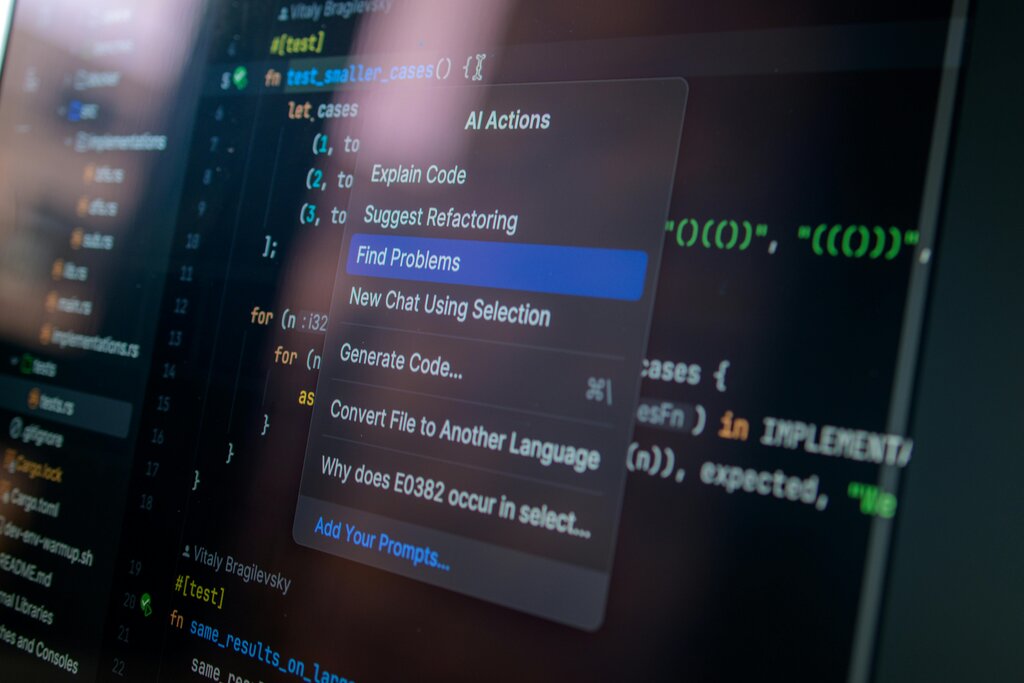
Ultimately, vibecoding emphasizes the human element of creation. It shifts the focus from the rigid syntax of machines to the fluid, intuitive, and collaborative “vibe” of bringing an idea into reality.
Ready to check your understanding?
What is the core idea behind "vibecoding"?
In the vibecoding process, the developer's primary role shifts from writing every line of code to...
This new approach represents a major step in how we build and think about software.