Vibecoding Explained
Introduction to Vibe Coding
What Is Vibe Coding?
Imagine describing a piece of software you want to build, not in a rigid programming language, but in plain English. You explain the idea, the look, the feel you're going for. An AI assistant listens and then generates the code for you. This is the essence of vibe coding.
In simple words, vibe coding is the process of building software by vibe, i.e., letting ideas flow and using AI to do the heavy lifting, without getting stuck on structure, rules, or boilerplate.
The term was coined by programmer Andrej Karpathy in early 2025. It describes a new partnership between humans and AI. Instead of painstakingly writing every line of code, the developer acts more like a director, guiding a large language model (LLM) to bring a vision to life. The focus shifts from syntactic perfection to creative expression and rapid experimentation.
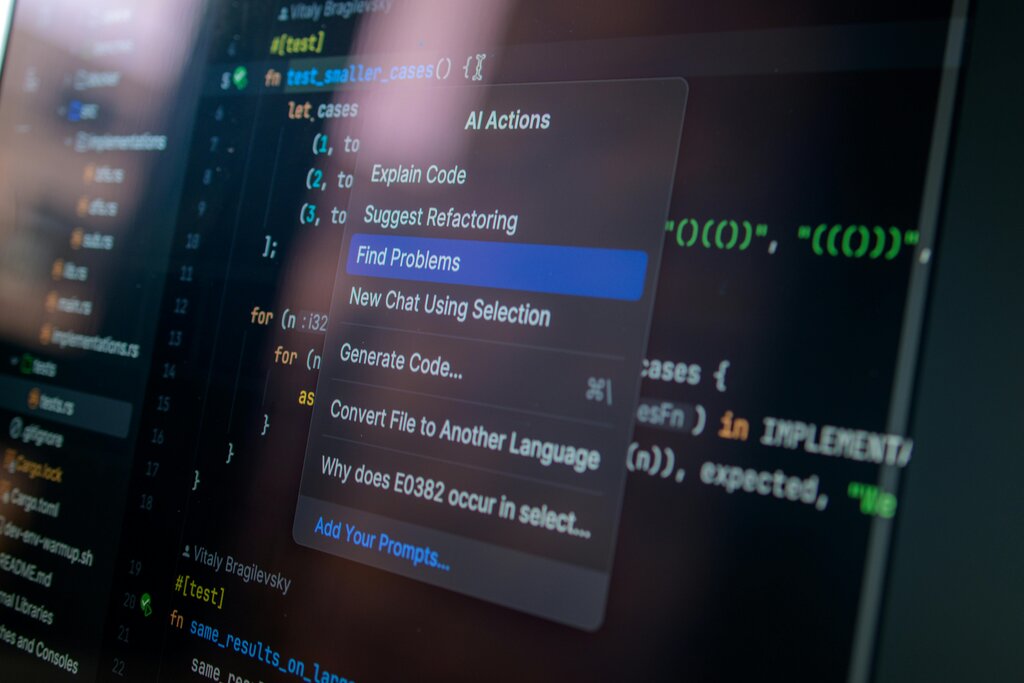
This approach isn't about replacing developers. It's about changing the nature of their work. They spend less time on tedious boilerplate code and more time on high-level design, user experience, and refining the final product. It's a conversational way to build things, iterating through dialogue with an AI.
The Vibe Coding Workflow
The process is more of a creative loop than a linear path. It starts with an idea, which is translated into a natural language prompt. The AI generates code, the developer tests it, and then provides feedback to refine the result. This cycle repeats until the software matches the intended 'vibe'.
This loop makes it incredibly fast to prototype. An idea can become a working demo in minutes, not hours or days. The emphasis is on getting something tangible quickly and then improving it based on how it actually works and feels.
How It's Different
Traditional coding is a precise, structured discipline. It requires deep knowledge of syntax, algorithms, and design patterns. Vibe coding is more fluid and intuitive. It prioritizes speed and creativity over formal correctness, at least in the initial stages.
| Feature | Traditional Coding | Vibe Coding |
|---|---|---|
| Process | Structured, linear, planned | Iterative, conversational, experimental |
| Focus | Correctness, efficiency, structure | Speed, creativity, user feel |
| Primary Skill | Writing precise code | Crafting effective prompts, directing AI |
| Pace | Methodical and deliberate | Fast and improvisational |
This doesn't mean structure and correctness don't matter. It just means they can come later. Vibe coding is excellent for the initial brainstorming and prototyping phases, where the main goal is to explore possibilities without getting bogged down in technical details.
Think of it like sketching. An artist doesn't start with a perfectly rendered, final painting. They start with rough sketches to get the composition and feeling right. Vibe coding is the developer's version of a quick sketch.
Because it lowers the technical barrier, vibe coding opens up software creation to a wider audience. Designers, artists, and entrepreneurs can use it to build prototypes and test ideas without needing to become expert programmers first. For seasoned developers, it's a powerful tool for boosting productivity and quickly exploring new creative avenues.
Ready to check your understanding?
What is the core concept of "vibe coding"?
According to the text, the developer's role in vibe coding shifts from a writer of code to more of a...
Vibe coding represents a significant shift in how we think about building software, turning it into a more accessible and creative conversation between human and machine.