Vibe Coding with Replit
Introduction to Vibe Coding
What is Vibe Coding?
Imagine building an app by simply describing it. Instead of writing lines of code, you have a conversation with an AI, telling it what you want. The AI does the heavy lifting, translating your ideas into functional software. This is the core idea behind vibe coding.
Vibe coding is a way of building software by directing an AI to produce runnable code from plain-English instructions, shifting your role from typing syntax to shaping intent, UX, and edge cases.
The term was popularized by AI researcher Andrej Karpathy in early 2025. It captures a shift in software development where the human acts as a creative director. Your job is less about remembering specific syntax and more about clearly communicating your vision to a large language model (LLM), which then acts as your co-creator.
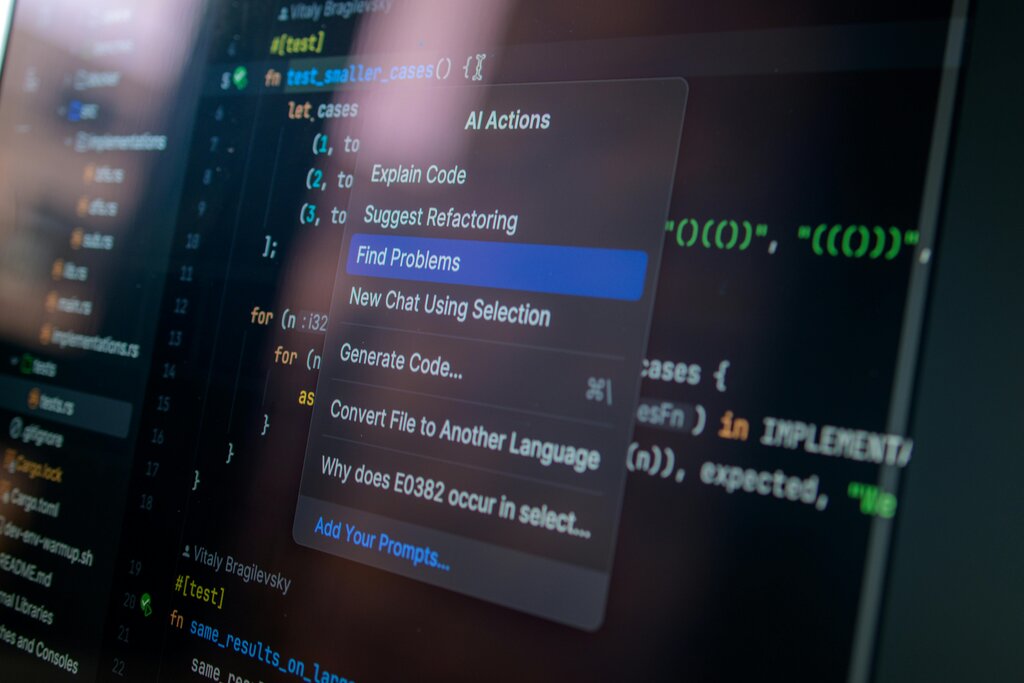
The process is iterative. You give a prompt, the AI generates code, and you test the result. If it's not quite right, you refine your prompt and try again. This rapid feedback loop allows for quick experimentation and prototyping, making it possible for people with minimal technical expertise to build real applications.
How It's Different
Traditional coding is a precise, deliberate craft. A developer meticulously writes each instruction, manages dependencies, and debugs errors line by line. It requires deep knowledge of a specific programming language and its rules. The focus is on the how.
Vibe coding flips this dynamic. It prioritizes the what. You focus on the desired outcome, the user experience, and the overall feel—the "vibe"—of the application. The AI handles the low-level implementation details.
This difference changes the entire workflow. Instead of spending hours searching for a missing semicolon or figuring out a complex algorithm, your time is spent refining prompts and testing the AI's output. It's a partnership where you guide the vision and the AI handles the technical execution.
| Feature | Traditional Coding | Vibe Coding |
|---|---|---|
| Primary Skill | Language syntax & logic | Prompt engineering & vision |
| Developer's Role | Builder / Engineer | Director / Architect |
| Process | Manual, line-by-line | Conversational, iterative |
| Focus | How the code works | What the software does |
| Barrier to Entry | High | Low |
Benefits and Risks
The biggest advantage of vibe coding is speed. What might take a team of developers weeks to build can potentially be prototyped in hours. It democratizes software development, empowering designers, entrepreneurs, and hobbyists to bring their ideas to life without needing to become expert programmers.
However, this approach isn't without its challenges. Handing over control to an AI introduces new risks. The generated code might contain subtle bugs, inefficiencies, or even serious security vulnerabilities. Since the AI is a black box, you don't always know why it made certain choices.
This is where human oversight becomes critical. While the pure definition of vibe coding sometimes implies accepting AI output without review, in practice, that's a dangerous path for any serious project. The human developer's role shifts from writing code to validating it. You still need to understand enough about software to spot potential problems, test edge cases, and ensure the final product is secure and reliable.
Vibe coding is a powerful new tool, but it's not magic. It's a collaboration, and the human partner is ultimately responsible for the outcome.
Let's check your understanding of these new concepts.
What is the core idea of "vibe coding"?
In the vibe coding workflow, the human's role shifts from a code writer to a...
Vibe coding represents a significant change in how we think about creating software. By focusing on high-level intent and partnering with AI, it opens up new possibilities for speed and creativity.