Vibe Coding Unlocked
Introduction to Vibe Coding
What Is Vibe Coding?
Instead of writing code line by line, what if you could just describe what you want your software to do? That’s the core idea behind vibe coding. It’s a way of building software by talking to an artificial intelligence, usually a large language model (LLM), in plain English. The AI takes your instructions and generates the code for you.
Vibe coding is an AI-dependent programming approach where developers tell AI what they want in plain language, and AI creates the code.
This shifts the programmer's role. Instead of focusing on syntax and semicolons, you focus on the bigger picture: the goal, the user experience, and the overall 'vibe' of the application. The process becomes a conversation. You give the AI a prompt, it generates code, you test it, and then you provide feedback to refine the result. It’s an iterative loop of experimentation and guidance.
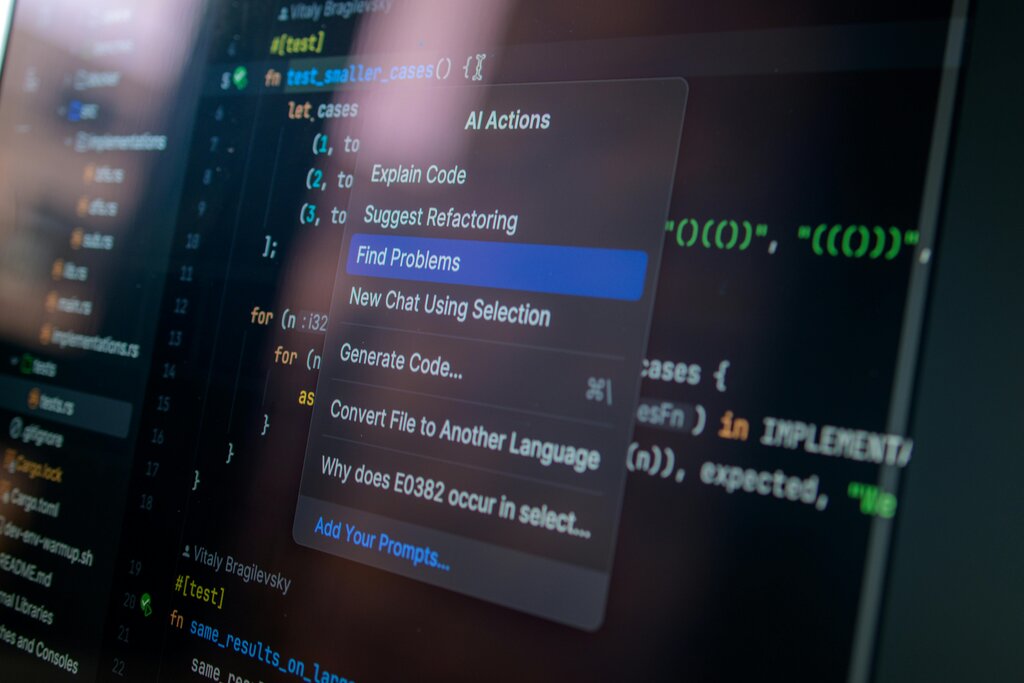
A New Way to Build
Vibe coding isn't just a slight change; it’s a fundamental departure from how software has traditionally been built. In traditional coding, the developer is the sole author, translating ideas into a strict, logical language that a computer can execute. This requires deep knowledge of programming languages, frameworks, and algorithms.
Vibe coding, on the other hand, is more like directing a very skilled, very fast, but very literal assistant. You provide the vision, and the AI handles the technical implementation. This changes the skills required, the speed of development, and even who can create software.
| Feature | Traditional Coding | Vibe Coding |
|---|---|---|
| Developer's Role | Writes code line by line | Guides an AI with prompts |
| Primary Skill | Syntax, logic, algorithms | Prompting, testing, curation |
| Process | Manual, detailed, methodical | Iterative, conversational, experimental |
| Speed | Can be slow and deliberate | Rapid prototyping and generation |
The Upside
One of the biggest advantages of vibe coding is speed. What might take a developer hours or days to code manually can often be generated by an AI in seconds. This allows for rapid prototyping, letting creators test ideas quickly without a huge upfront investment of time.
It also lowers the barrier to entry. Someone with a great idea but little to no formal programming training can start building functional software. This opens up software development to a much wider audience, encouraging creativity and innovation from people with diverse backgrounds.
For experienced developers, vibe coding acts as a powerful assistant. It can automate repetitive tasks, generate boilerplate code, and even suggest creative solutions to difficult problems, freeing up developers to focus on more complex architectural and design challenges.
Potential Pitfalls
Despite its benefits, vibe coding comes with significant risks. Since the developer isn't writing every line, they might not fully understand the generated code. This can lead to serious issues with quality and maintainability. A bug in AI-generated code can be much harder to find and fix if you don't understand how it works in the first place.
Security is another major concern. An LLM might inadvertently produce code with vulnerabilities that a malicious actor could exploit. Without careful review by a knowledgeable human, these security flaws can easily slip into the final product. The code might also be inefficient or rely on outdated libraries.
Ultimately, vibe coding is a powerful tool, but it's not magic. It requires a new set of skills centered on critical thinking, careful verification, and effective communication with an AI. The human is still the most important part of the process, responsible for steering the project and ensuring the final result is robust, secure, and well-crafted.
What is the core idea behind 'vibe coding'?
How does the role of a developer primarily shift when using vibe coding?