Vibe Coding Principles
Introduction to Vibe Coding
What Is Vibe Coding?
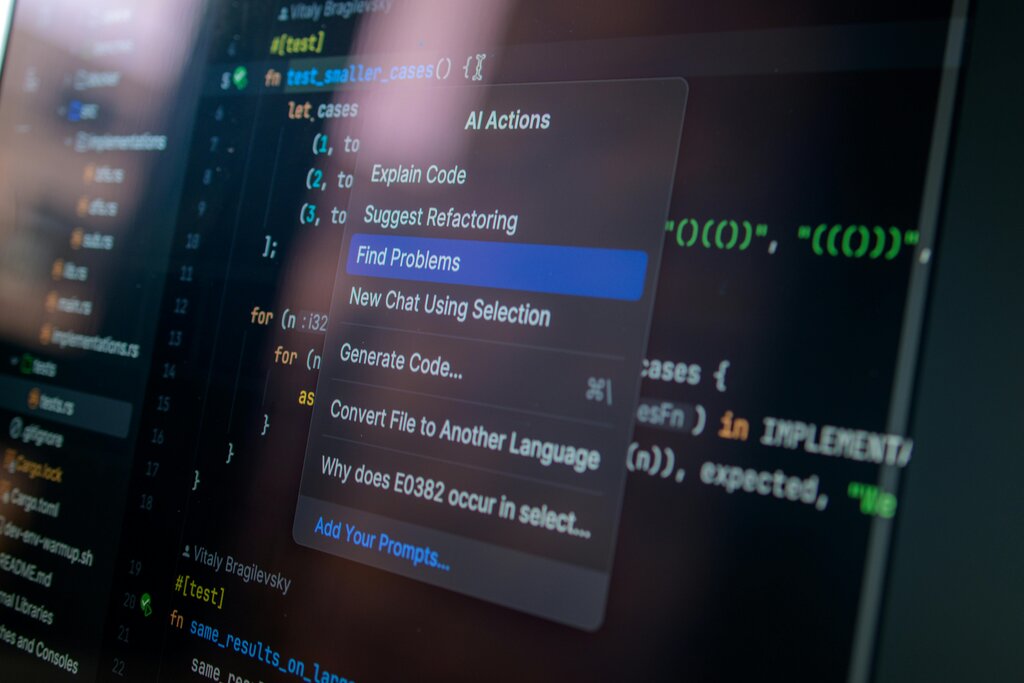
Instead of typing out every line of code yourself, you tell an AI assistant what you want to build using plain English. The AI, typically a large language model (LLM), generates the code for you. Your role shifts from being a writer of syntax to a director of intent.
Vibe coding is an AI-assisted software development method where a coder provides high-level instructions to a large language model (LLM), allowing it to generate and iteratively refine code.
The term was popularized in early 2025 and captures the feeling of this new workflow. It's a fluid, conversational process. You have a dialogue with the AI, refining your instructions and guiding it toward the desired outcome. You might start with a broad request, see what the AI produces, and then provide feedback to tweak the result, much like collaborating with a human partner.
The Philosophy Behind It
Vibe coding isn't just about getting code faster. It's guided by a few core principles that shape how developers interact with AI tools responsibly.
Augmentation over replacement. The goal is to make the developer more effective, not to replace them. The AI is a powerful assistant, but the human provides the architectural vision, creative problem-solving, and critical oversight.
Another key principle is verification before trust. AI-generated code can look correct but contain subtle bugs, security vulnerabilities, or inefficient logic. It's the developer's job to rigorously test and review the output before trusting it in a production environment. Blindly copying and pasting is a recipe for disaster.
Finally, there's a focus on maintainability first. Code needs to be understood, debugged, and updated by humans for years to come. While an AI can generate complex, clever code, the best approach is to guide it toward creating solutions that are simple, clear, and easy for the whole team to maintain. Otherwise, you're just creating technical debt at a faster rate.
Why Bother?
With the risks involved, why is this trend catching on? The motivations are straightforward. The most obvious one is speed. Vibe coding can drastically reduce the time it takes to write boilerplate code, set up new projects, or create initial prototypes. This allows developers to focus more on higher-level design and logic.
Accessibility is another major driver. Vibe coding lowers the barrier to entry for software development. Individuals with strong ideas but limited formal programming experience can start bringing their visions to life. It empowers designers, product managers, and scientists to build tools and applications without needing to become expert coders first.
Challenges and Limitations
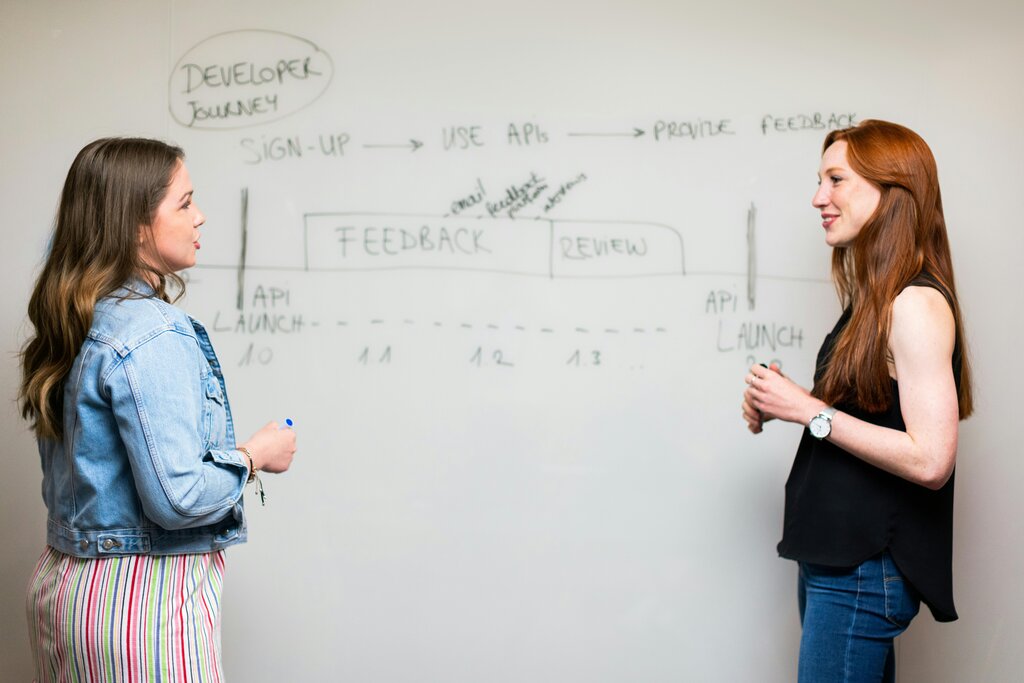
Of course, this new paradigm isn't without its challenges. The biggest concern is quality assurance. Because the developer didn't write the code line-by-line, they might miss subtle flaws. This places a much greater emphasis on robust testing and code review processes.
Maintainability remains a persistent worry. If a team relies too heavily on AI without enforcing clean coding standards, they can end up with a tangled mess of code that no one fully understands. It's easy to generate code quickly, but much harder to ensure it's built to last.
Finally, there's the risk of skill atrophy. If developers become too reliant on AI to solve problems, their own fundamental coding and problem-solving skills could weaken over time. It's a balance between using a powerful tool and maintaining core competencies.
| Motivations | Challenges |
|---|---|
| Increased development speed | Quality assurance risks |
| Lower barrier to entry for non-coders | Potential for unmaintainable code |
| Frees up developers for high-level tasks | Over-reliance and skill atrophy |
| Accelerates prototyping and iteration | Security vulnerabilities in generated code |
Now that you have a foundational understanding of vibe coding, let's check what you've learned.
What is the central concept of "vibe coding"?
The principle of "verification before trust" means a developer should...
Vibe coding represents a significant shift in software development, turning it into a more collaborative and conversational process between human and machine. Understanding its principles and pitfalls is the first step to harnessing its power effectively.