Vibe Coding Principles
Introduction to Vibe Coding
What Is Vibe Coding?
Imagine telling your computer what you want an application to do, and the computer writes the code for you. That's the core idea behind vibe coding. It’s a way of developing software where you collaborate with an artificial intelligence, typically a large language model (LLM), to bring an idea to life.
Vibe coding is the practice of creating software by describing what you want in natural language, letting artificial intelligence generate the code, and then refining it through conversation.
Instead of typing out every line of code yourself, you describe the goal, the functionality, or even just the “vibe” you’re aiming for. The AI generates the code, and your job shifts to guiding, testing, and refining the output. It’s an interactive, conversational process. You act more like a director and less like a typist, focusing on the big picture while the AI handles the syntax.
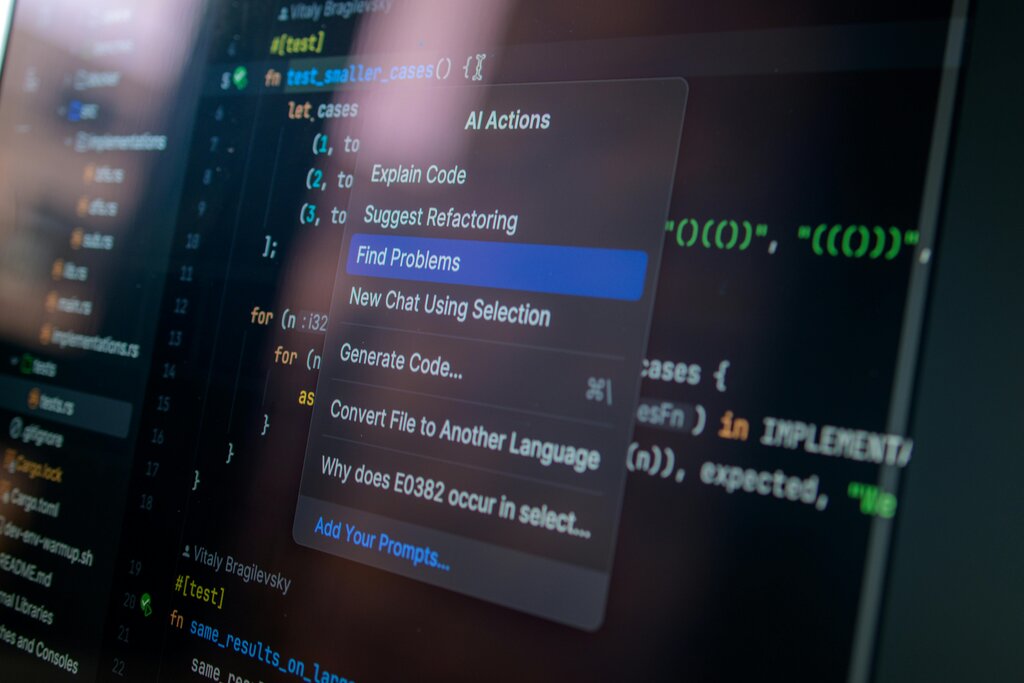
This approach emphasizes rapid iteration and experimentation. You can quickly test an idea, see the result, and then tweak your instructions. The term itself, which gained popularity in the mid-2020s, captures this feeling of intuitive, fluid creation. It’s less about a rigid, pre-planned structure and more about finding the right outcome through a creative back-and-forth with an AI partner.
How It's Different
Traditional coding is a meticulous process. A developer thinks through the logic, writes precise instructions in a programming language, and manually debugs any issues. It requires a deep understanding of syntax and structure from the very beginning. Vibe coding flips this dynamic.
| Feature | Traditional Coding | Vibe Coding |
|---|---|---|
| Process | Plan, write, test, debug | Describe, generate, refine, repeat |
| Developer's Role | Author of the code | Director and reviewer of AI |
| Pace | Methodical and deliberate | Fast-paced and iterative |
| Focus | Syntax and implementation details | High-level goals and user experience |
The main difference is the starting point. In a traditional workflow, you must know how to build something before you start. With vibe coding, you only need to know what you want to build. The AI assistant bridges the gap between your intent and the functional code.
This leads to a more experimental workflow. You don't have to get it right the first time. The cost of trying a new approach is low—you just write a new prompt. This allows developers to prototype and explore different solutions much faster than they could by writing everything manually.
Benefits and Limitations
Vibe coding offers some clear advantages. The most obvious is speed. It can significantly accelerate development, especially for prototyping or building standard features. It also lowers the barrier to entry. Someone with a great idea but limited coding knowledge can start building things that were previously out of reach.
However, it's not a silver bullet. The code generated by an AI isn't always perfect. It can contain subtle bugs, be inefficient, or rely on outdated practices. A developer who can't read and understand the code they're refining is at a major disadvantage. Over-reliance on these tools can also hinder a beginner's ability to learn the fundamental principles of programming.
Popular tools that enable vibe coding include GitHub Copilot, Cursor, and various features within platforms like Replit. They integrate directly into the coding environment, making the collaboration with the AI feel seamless.
Ready to check your understanding?
What is the core idea of 'vibe coding'?
How does the developer's role change in vibe coding compared to traditional coding?
Vibe coding represents a significant shift in how we think about software development, turning it into a more collaborative and conversational process between human and machine.