Vibe Coding Preparation
Understanding Vibe Coding
What is Vibe Coding?
Imagine you want to build a small app. Instead of writing every single line of code from scratch, you describe your idea to an AI partner. You explain the features, the look, and the feel—the 'vibe'—and the AI generates the code for you. You then test it, give feedback, and refine it together. That's the essence of vibe coding.
Vibe coding is a way of building software by directing an AI to produce runnable code from plain-English instructions, shifting your role from typing syntax to shaping intent, UX, and edge cases.
It’s a collaborative approach where the developer focuses on the high-level vision and creative direction, while the AI handles the more tedious, technical parts of writing code. Your job becomes less about remembering specific syntax and more about clearly communicating your goals. It’s a partnership that speeds up development and allows for rapid experimentation.
Why It's a Game Changer
Vibe coding isn't just a new buzzword; it represents a fundamental shift in how we create software. For beginners, it dramatically lowers the barrier to entry. You can start building functional projects much faster, learning the underlying principles as you go without getting bogged down by syntax errors.
For seasoned developers, it's a massive productivity boost. Repetitive tasks that used to take hours, like writing boilerplate code or setting up a new project, can be automated. This frees up mental energy to focus on more complex challenges, like system architecture, user experience, and innovative features.
| Developer Level | Key Benefit of Vibe Coding |
|---|---|
| Beginners | Quickly turn ideas into working code without getting stuck on syntax. |
| Experienced Devs | Automate repetitive tasks to focus on complex architecture and problem-solving. |
| Teams | Accelerate prototyping and get feedback on new features faster than ever. |
The Tools Behind the Vibe
This new way of working is powered by a growing ecosystem of AI tools. You don't need to master all of them, but it's good to know what's out there.
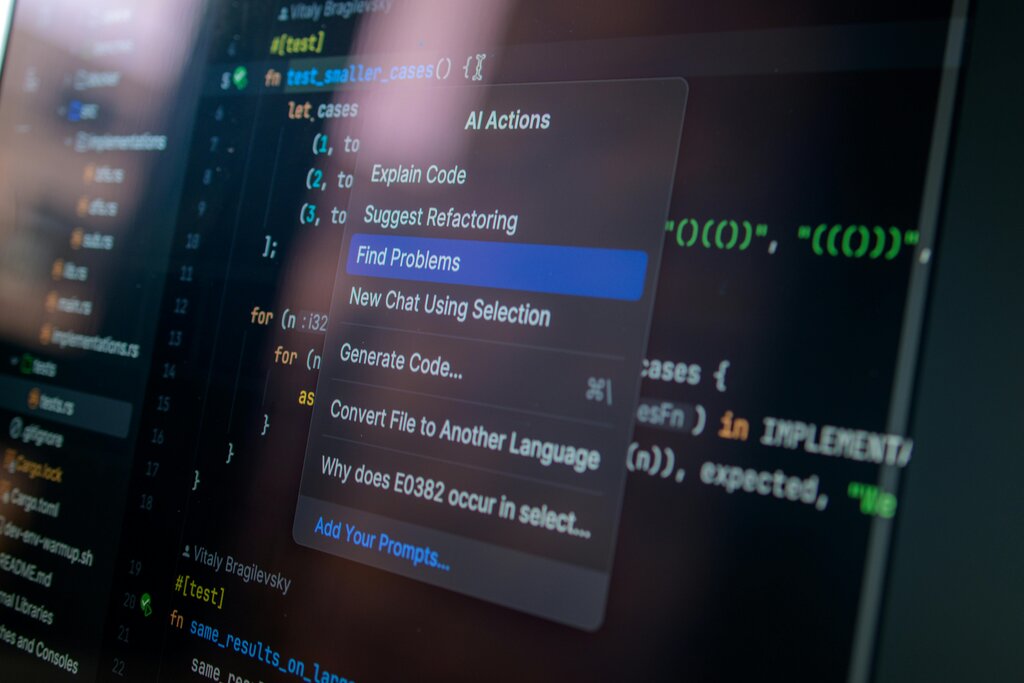
- AI Code Assistants: These are tools that live inside your code editor, like GitHub Copilot. They suggest lines of code or entire functions as you type.
- Conversational AI: Platforms like ChatGPT can be used as a coding partner. You can ask them to write code snippets, debug errors, or even explain complex concepts in plain language.
- AI-Native Editors: Some code editors, such as Cursor, are built from the ground up with AI collaboration in mind, integrating these features seamlessly into the workflow.
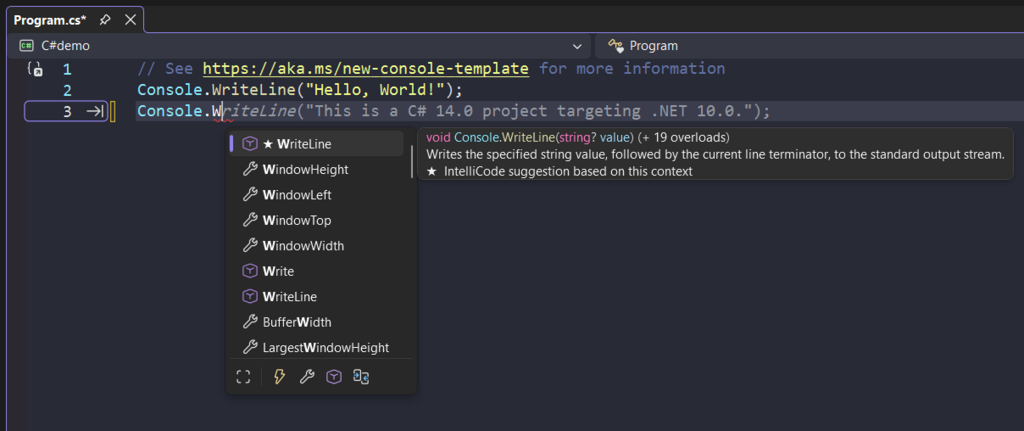
Let’s look at a simple scenario. A developer wants to build a feature that pulls weather data from an online service and displays it in her app. Traditionally, she would need to find the service's documentation, figure out how to make a request, parse the data, and then write the code to display it.
With vibe coding, she might just type a comment like // fetch weather data for San Francisco and display the temperature. Her AI assistant could then generate the complete, working code in seconds. She can then test it and ask the AI to make adjustments, like changing the temperature from Celsius to Fahrenheit or adding a weather icon.
What is the primary role of a human developer in the 'vibe coding' approach?
According to the concept of vibe coding, its main benefit for beginners is that it completely eliminates the need to learn fundamental programming principles.
This approach changes the game, making development more about creative problem-solving and less about rote memorization. It's a powerful way to bring ideas to life more quickly and efficiently.