Vibe Coding Practical Application
Introduction to Vibe Coding
What Is Vibe Coding?
Instead of writing software line by line, imagine describing what you want to build to an AI assistant. You explain the goal, the feel, and the functionality, and the AI generates the code for you. This is the essence of vibe coding.
In this approach, the developer’s role shifts from a writer to a director. You guide the AI through conversation, refining the output with feedback and high-level instructions. It's an iterative dialogue where you focus on the big picture, while the AI handles the technical syntax and boilerplate.
Vibe coding is a new programming approach where, instead of writing code manually in a programming language, a developer (or even a non-developer) interacts with an AI, typically a large language model (LLM), to generate the code.
The term was introduced by Andrej Karpathy in February 2025. It captures a more intuitive, experimental, and fluid way of creating software, making the process feel less like engineering and more like a creative jam session.
The Core Principles
Vibe coding isn't just about using AI; it's a mindset built on a few key ideas.
Flow State: The goal is to stay in a creative zone without getting bogged down by minor syntax errors or repetitive setup tasks. By offloading the tedious work to an AI, you can maintain momentum and let ideas flow without interruption.
This continuous flow allows for rapid experimentation. You can test ideas almost as quickly as you can think of them, turning a rough concept into a working prototype in minutes instead of hours.
Aesthetic-Driven Development: How a product feels is just as important as what it does. With vibe coding, developers can describe the desired user experience in subjective terms. Prompts like "make the interface feel more playful" or "give it a clean, minimalist vibe" guide the AI to generate code that reflects a specific aesthetic.
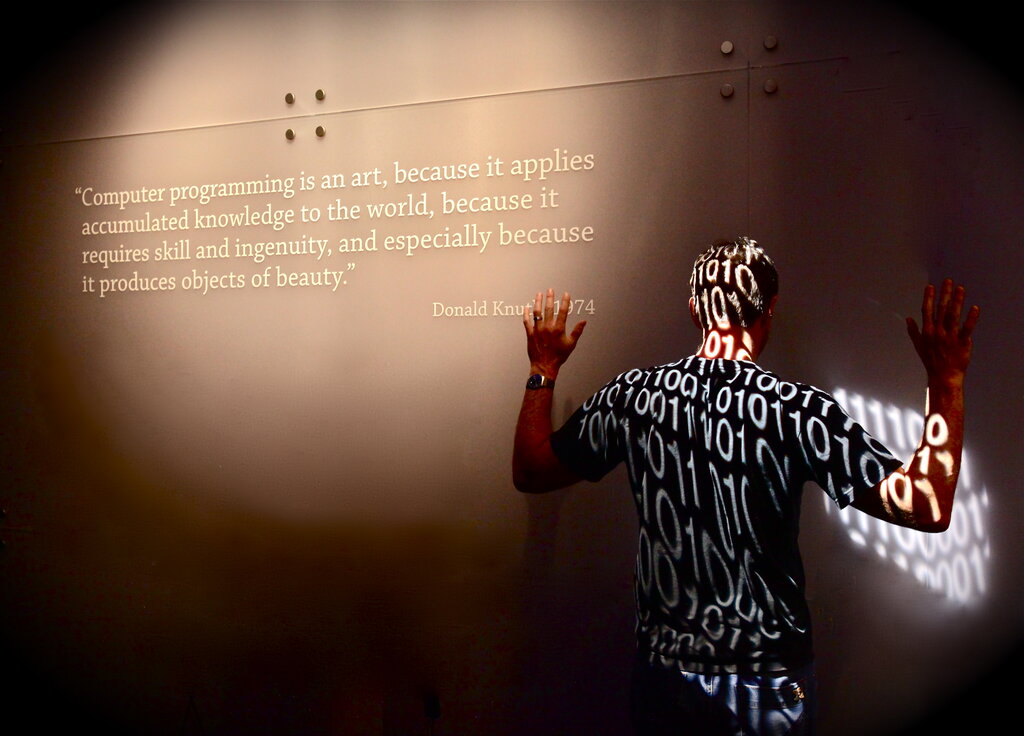
Code as Expression: This principle treats programming as a medium for creative expression, not just a technical skill. By abstracting away the low-level details, vibe coding empowers developers to focus on their unique vision and translate it into a functional product more directly and personally.
Benefits and Risks
The biggest advantage of vibe coding is its accessibility. It lowers the barrier to entry, allowing people with great ideas but limited coding knowledge to build software. For experienced developers, it dramatically speeds up prototyping and handles mundane coding tasks, freeing them up to solve more complex problems.
However, this approach isn't without its risks. The speed and ease of generation can lead to a 'move fast and break things' mentality, where crucial steps like code review and testing are overlooked. An AI can generate code that appears to work but contains subtle bugs or serious security holes.
Relying too heavily on AI without understanding the underlying code can be dangerous. The developer is still ultimately responsible for the quality and security of the final product.
The key is to use vibe coding as a powerful tool for collaboration, not a replacement for human oversight. It's a method for exploring ideas quickly, but it requires a careful, critical eye to ensure the results are robust, secure, and reliable.
Ready to check your understanding? Let's review the main ideas.
What is the central idea behind "vibe coding"?
In the vibe coding approach, the developer's role primarily shifts from a code writer to a...
Vibe coding offers a new way to think about software creation, blending human creativity with the power of AI. By understanding its principles and pitfalls, you can start to see how it might change the way we build things.