Vibe Coding on Replit
Introduction to Vibe Coding
What Is Vibe Coding?
Instead of writing every line of code yourself, you describe your goal to an AI in plain English. The AI, typically a large language model (LLM), generates the code for you. Your job shifts from being a manual typist of syntax to a director of intent, guiding the AI and refining its output until the software works just right.
Vibe coding, a term coined by Andrej Karpathy in February 2025, has quickly become a compelling and controversial natural language programming paradigm in AI-assisted software development.
This conversational approach feels more like a creative collaboration than a rigid, logical process. You're giving the AI the "vibe" of what you want to build, and it handles the low-level details. The process is iterative: you prompt, review the code, give feedback, and repeat until the application is complete.
How It Works
The engine behind vibe coding is a Large Language Model. Think of an LLM as a highly advanced pattern-matching system trained on vast amounts of text and code from the internet. It learns the relationships between words, programming languages, and logical structures.
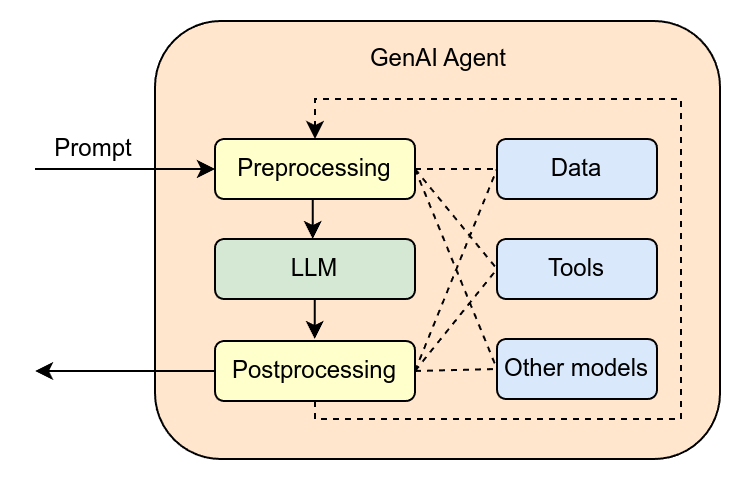
When you give it a prompt like, "Create a simple web page with a button that shows a random cat fact," the LLM doesn't 'understand' cats or buttons in the way a human does. Instead, it predicts the most probable sequence of HTML, CSS, and JavaScript code that corresponds to your request, based on the countless examples it has seen during training. Your prompts guide its predictions, and your feedback helps it zero in on the correct solution.
This iterative loop of prompting and refining is the core of the vibe coding process. It's less about knowing the exact syntax and more about clearly communicating your vision.
The Good and The Bad
Vibe coding has opened up software development to a much wider audience. Hobbyists and amateurs can now create functional applications without years of formal training. This speed and accessibility are its biggest advantages. Developers can build prototypes in a fraction of the time, focusing more on the user experience and less on boilerplate code.
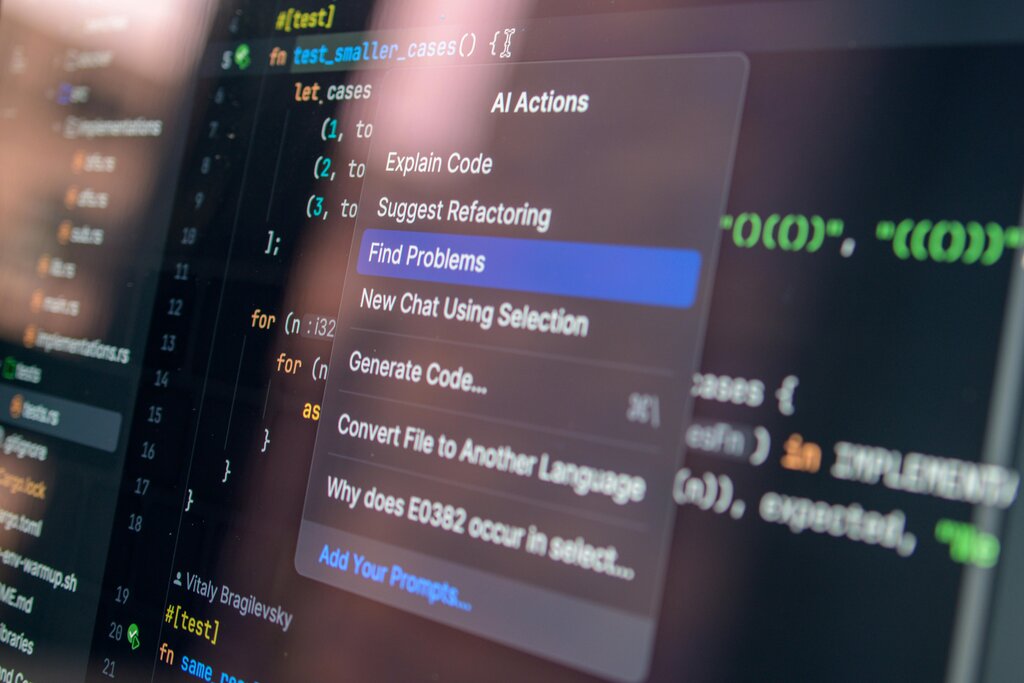
However, this convenience comes with risks. The primary concern is that developers might use AI-generated code without fully understanding how it works. This can lead to several problems.
Security Vulnerabilities: The AI might produce code with hidden security flaws that a developer who doesn't understand the code would miss.
Poor Quality and Maintainability: AI-generated code can sometimes be inefficient, difficult to read, or hard to update later. It might work, but it might not be good code.
Over-reliance: Depending too much on AI can stunt a developer's growth, preventing them from learning the fundamental principles of programming.
Vibe coding is a powerful tool, but like any tool, it requires skill and judgment to use effectively. It's a method for augmenting a developer's abilities, not replacing them entirely.
What is the primary role of a human developer in the 'vibe coding' process?
The core of the vibe coding workflow is an iterative loop. What does this loop typically involve?
Ultimately, vibe coding represents a major shift in how we interact with computers, turning programming into a conversation between human and machine.