Vibe Coding Mastery
Introduction to Vibe Coding
A New Way to Code
Software development is shifting. Instead of writing every line of code by hand, developers are increasingly describing what they want to build in plain English and letting an AI assistant handle the syntax. This new approach is called vibe coding.
Vibe coding is a new programming paradigm in which human engineers instruct large language model (LLM) agents to complete complex coding tasks with little supervision.
At its heart, vibe coding is a collaboration. A developer provides a high-level goal, a “vibe,” to a large language model (LLM). The LLM then generates code to match that intention. The developer reviews the output, provides feedback, and refines the prompts until the software works as desired. It’s a conversational, iterative process that feels more like directing a talented partner than writing a detailed instruction manual.
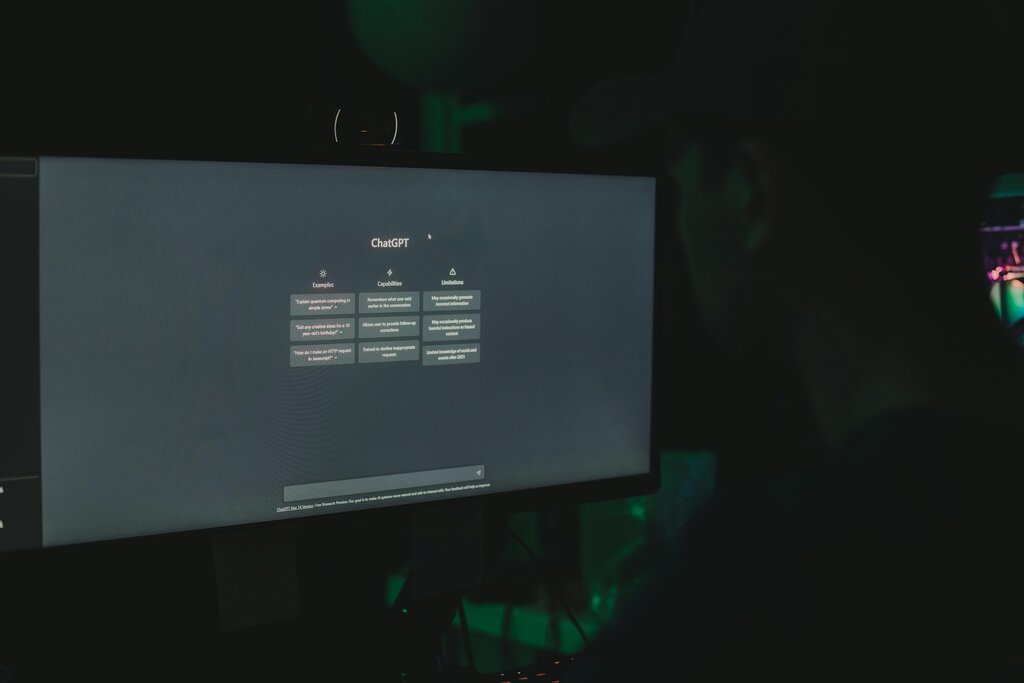
This method relies on the power of LLMs to understand natural language and translate it into structured code. The developer's role shifts from being a meticulous coder to being a skilled communicator and problem-solver, guiding the AI to the correct solution.
How It Differs
Traditional coding is a precise, deliberate process. You plan the logic, write the code line by line, and debug meticulously. Vibe coding is more fluid and experimental. You start with an idea, get a functional draft from the AI almost instantly, and then iterate.
| Aspect | Traditional Coding | Vibe Coding |
|---|---|---|
| Developer's Role | Author, meticulously writing each line of code. | Director, guiding an AI to generate the code. |
| Process | Linear: Plan, code, test, debug. | Iterative: Prompt, generate, review, refine. |
| Primary Skill | Syntactical precision and algorithmic knowledge. | Clear communication and high-level problem-solving. |
| Speed | Can be slow, especially for complex features. | Rapid prototyping and quick initial drafts. |
| Starting Point | A blank file and a clear plan. | A natural language prompt describing the goal. |
The key difference is the feedback loop. In traditional development, the loop between writing code and seeing the result can be slow. With vibe coding, that loop is nearly instantaneous. This encourages experimentation and allows developers to test ideas much faster.
Think of it like sculpting. A traditional coder carves a statue from a block of marble, chip by chip. A vibe coder describes the statue they want to an assistant who quickly creates a clay model, which they then refine together.
The Tools for the Job
Vibe coding isn't tied to a single piece of software. It's a methodology that uses a range of AI-powered tools. These often integrate directly into a developer's existing workflow.
These tools fall into a few general categories:
- AI Chatbots: Standalone models like ChatGPT or Claude where developers can paste code, ask questions, and generate new snippets in a conversational interface.
- Integrated Assistants: Tools built directly into code editors, such as GitHub Copilot. These offer suggestions, complete lines of code, and even generate entire functions based on comments or existing code.
- Specialized Platforms: Entire development environments designed around an AI-first workflow, where generating and refining code through prompts is the primary way of working.
Regardless of the specific tool, the goal is the same: to create a partnership where the human provides the creative vision and the AI handles the technical implementation. This lets developers focus more on the 'what' and less on the 'how'.
What is the fundamental principle of "vibe coding"?
In the context of vibe coding, what is the developer's primary role?
This new partnership between developer and AI is changing how software gets made, prioritizing speed and iteration without sacrificing human oversight.