Vibe Coding for Secure Scalable Apps
Introduction to Vibe Coding
What Is Vibe Coding?
Software development is shifting. Instead of manually writing every line of code, developers are increasingly collaborating with artificial intelligence. This new approach is often called 'vibe coding'.
Vibe coding is an emerging style of software development where programmers interact with artificial intelligence in a conversational, intuitive, and iterative manner.
Think of it as moving from being a bricklayer to an architect. The developer's primary job changes from focusing on syntax and low-level implementation details to defining the high-level goals, structure, and desired 'vibe' of the software. The AI partner then handles much of the tedious, line-by-line coding.
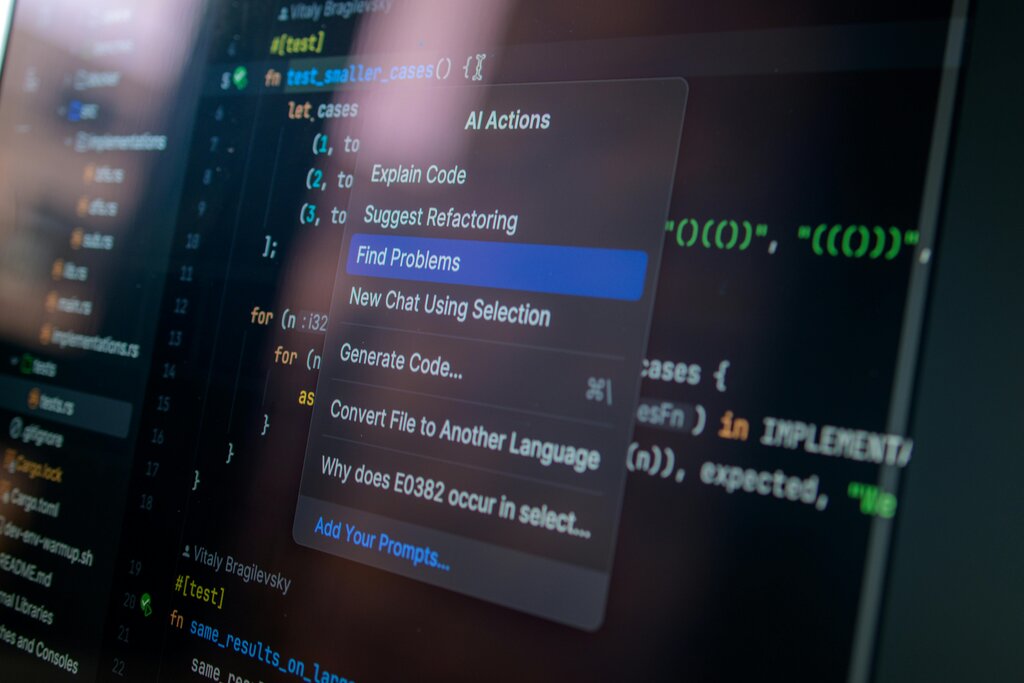
This interaction is iterative. The developer provides an initial prompt, the AI generates code, and the developer refines it with further instructions. It's a back-and-forth dialogue aimed at translating a creative vision into functional software.
Core Principles
Vibe coding isn't just about using AI tools; it's a philosophy built on a few key ideas.
AI as a Collaborator: The AI isn't just a syntax checker or an autocomplete tool. It's an active partner in the creative process. The developer steers the project by providing clear, high-level intent, and the AI handles the implementation, suggests improvements, and refactors code.
This partnership frees up mental energy, allowing developers to focus on more complex challenges like system architecture, user experience, and business logic.
Focus on Requirements Over Syntax: In traditional coding, the focus is on writing syntactically correct code. With vibe coding, the emphasis is on clearly describing what needs to be built. This includes not just the functionality but also the qualitative aspects—the 'vibe'. For example, you might ask the AI to generate a user interface that feels 'minimalist and modern' or write an API that is 'robust and highly secure'.
Leveraging Natural Language: Communication with the AI happens through natural language, much like talking to a human colleague. This lowers the barrier to entry and speeds up the development process. As voice recognition technology improves, developers can even dictate instructions, making the interaction faster and more fluid. This conversational approach makes coding more accessible and intuitive.
Benefits of the Vibe Coding Approach
Adopting a vibe coding workflow offers significant advantages in productivity and the quality of the final product.
By automating repetitive tasks like writing boilerplate code, setting up project structures, and writing unit tests, vibe coding dramatically increases a developer's output. Instead of getting bogged down in mundane details, they can focus their efforts on solving unique problems and building innovative features.
Furthermore, code quality often improves. AI assistants are trained on vast codebases and can suggest best practices, identify potential bugs, and perform complex refactoring instantly. This leads to code that is not only functional but also more secure, efficient, and maintainable.
This new paradigm changes the role of the developer for the better, emphasizing creativity and strategic thinking over rote memorization of syntax.
The shift to 'vibe coding' is often compared to a professional moving from being a 'bricklayer' to a(n) ____.
In the 'vibe coding' paradigm, what is the primary focus of the developer?