Vibe Coding for Problem Solving
Introduction to Vibe Coding
Programming with a Vibe
Instead of writing code line by line, what if you could just describe what you want an application to do? That’s the core idea behind vibe coding. It's a new way of developing software where the programmer has a conversation with an AI, usually a large language model (LLM), to generate the code.
Vibe coding is a way of building software where you express intent in natural language, let an AI (usually a large language model) generate runnable code, and iterate on the live behavior rather than painstakingly authoring every line yourself.
The developer’s role shifts from a meticulous author of code to a director guiding the AI. You provide the high-level vision, or the “vibe,” and the AI handles the syntax and boilerplate. The term was coined by Andrej Karpathy in early 2025 to describe this interactive, conversational approach to programming. The idea is simple: if the AI is powerful enough, plain English can become the programming language.
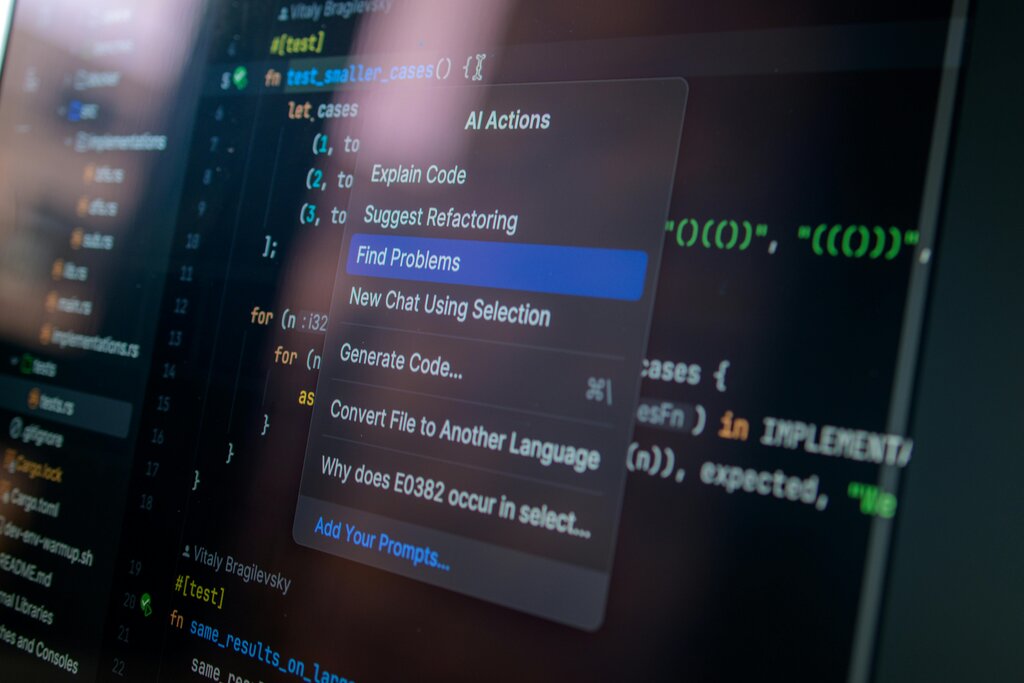
How It's Different
Traditional programming is a deterministic process. You write explicit, step-by-step instructions, and the computer follows them exactly. It requires a deep understanding of syntax, logic, and architecture. Vibe coding, on the other hand, is more like iterative experimentation. You start with a broad request and refine the AI's output through feedback.
| Aspect | Traditional Coding | Vibe Coding |
|---|---|---|
| Developer's Role | Author, Engineer | Director, Guide |
| Primary Skill | Syntax and Logic | Prompting and Feedback |
| Process | Write → Compile → Test | Prompt → Generate → Refine |
| Output | Precise and predictable | Probabilistic, may vary |
Think of it like working with a highly skilled but very literal assistant. In traditional coding, you write the assistant's entire speech. With vibe coding, you tell the assistant the key points to cover, listen to what they say, and then give them corrections until the speech is perfect.
The Trade-Offs
The most significant benefit of vibe coding is speed. It can dramatically accelerate prototyping and development, allowing a single developer to build complex applications much faster. It also lowers the barrier to entry, enabling people to create software without mastering a complex programming language first.
However, this speed comes with risks. The biggest concern is a potential lack of understanding. A developer might use AI-generated code without fully grasping how it works. This can lead to subtle bugs, unexpected behavior, or serious security vulnerabilities hidden within the code.
When the AI generates faulty code, who is accountable? The developer who prompted it, or the creators of the model? This is a new and critical question in software engineering.
Vibe coding isn’t about replacing developers. It's a powerful tool that changes the nature of their work. The focus shifts from writing code to defining problems clearly, evaluating AI-generated solutions critically, and steering the project in the right direction. It's a collaboration between human creativity and machine efficiency.
What is the core idea behind "vibe coding"?
According to the provided text, what is the most significant risk associated with vibe coding?