Vibe Coding for Better Software
Introduction to Vibe Coding
A New Way to Code
Software development is changing. For decades, building an application meant meticulously writing every line of code by hand. You had to know the precise syntax of a programming language and manually translate your ideas into instructions a computer could follow. This process is powerful, but it can be slow and rigid.
A new approach called vibe coding flips this process on its head. Instead of writing code, you describe what you want to build in plain English to an AI, typically a Large Language Model (LLM). The AI acts as your partner, generating the code for you. Your job shifts from being a writer to being a director.
Vibe coding is a way of building software by directing an AI to produce runnable code from plain-English instructions, shifting your role from typing syntax to shaping intent, UX, and edge cases.
You guide the AI through a conversation, refining your idea with each step. It's an iterative, experimental process. You might start with a simple prompt, see what the AI creates, and then provide feedback to tweak the result. It feels less like engineering and more like a creative jam session.
Vibe Coding
noun
An AI-assisted software development method where a developer uses natural language prompts to guide a large language model in generating and refining source code.
Origins of the Vibe
While the idea of using AI to help write code has been around for a while, the term "vibe coding" is relatively new. It was coined by computer scientist Andrej Karpathy in February 2025. He used it to describe a more intuitive and fluid way of working with increasingly powerful AI code generation tools.
The name captures the essence of the process. You're not just giving the AI a list of technical specifications. You're also describing the feel or the "vibe" of what you want to create. This could include the user experience, the visual style, or the overall tone of the application.
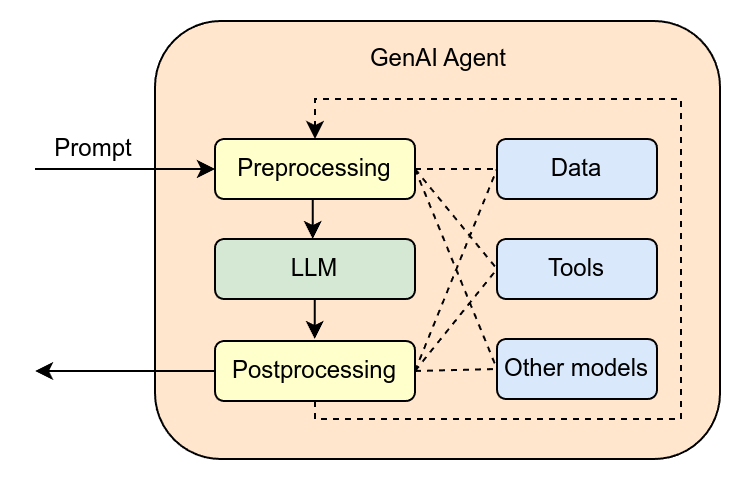
This approach became possible with the rise of sophisticated LLMs trained on vast amounts of code. These models can understand context, infer intent, and produce functional code in multiple languages, making them powerful collaborators in the development process.
How It's Different
Vibe coding isn't just about speed; it's a fundamental change in the developer's workflow and mindset. Traditional coding is deterministic. You write specific instructions, and the computer executes them exactly as written. It requires precision and a deep understanding of syntax.
Vibe coding is probabilistic. You provide a high-level description, and the AI generates its best interpretation of your intent. This frees you to focus on the bigger picture: the user's needs, the application's design, and the creative vision. The conversation moves from telling the computer how to do something to telling it what you want to achieve.
| Feature | Traditional Coding | Vibe Coding |
|---|---|---|
| Primary Input | Manual source code | Natural language prompts |
| Developer Role | Writer, architect | Director, editor |
| Process | Deterministic, structured | Probabilistic, conversational |
| Focus | Syntax, logic | Intent, user experience |
| Pace | Meticulous, planned | Rapid, iterative |
This doesn't mean the developer becomes passive. Instead, their skills are redirected. A vibe coder needs to be excellent at communicating ideas clearly, providing constructive feedback, and spotting potential issues in the AI-generated code. It's a partnership where human creativity guides machine execution.
Ready to check your understanding?
What is the core principle of "vibe coding"?
How does the developer's role change in vibe coding compared to traditional coding?
Vibe coding represents a significant shift, making software development more accessible and collaborative. By leveraging AI as a creative partner, developers can bring ideas to life faster and more intuitively than ever before.