Vibe Coding Explained
Introduction to Vibe Coding
Coding on a Vibe
Imagine telling a story to your computer and having it write the code for an application. That's the core idea behind vibe coding. Instead of writing every line of code yourself, you describe your goal in plain language to an AI, which then generates the code for you. It's a conversation with a machine that turns ideas into functional software.
Vibe coding is a way of building software where you express intent in natural language, let an AI (usually a large language model) generate runnable code, and iterate on the live behavior rather than painstakingly authoring every line yourself.
The term was introduced by AI researcher Andrej Karpathy in February 2025. The concept leans heavily on the power of Large Language Models, or LLMs. These are the same kinds of AI systems that power advanced chatbots. They've been trained on vast amounts of text and code, allowing them to understand human language and translate it into programming languages like Python or JavaScript.
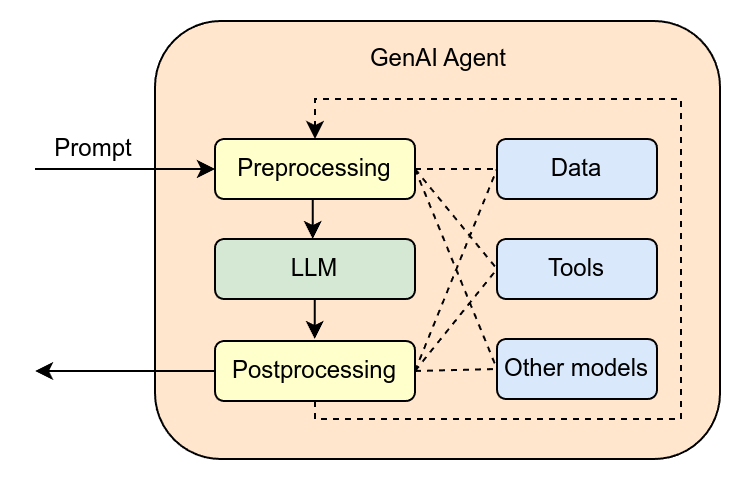
In this process, the developer's role shifts from a writer to an editor or a director. You provide the high-level vision, and the AI handles the detailed syntax. Your job is to test the AI's output, identify what works and what doesn't, and then refine your instructions to guide the AI toward the desired result.
A New Way of Working
Vibe coding isn't a replacement for traditional programming, but a different approach. It changes the workflow and the skills that are most important. While traditional coding demands precision and deep knowledge of syntax, vibe coding emphasizes clear communication, critical evaluation, and rapid experimentation.
| Feature | Traditional Coding | Vibe Coding |
|---|---|---|
| Primary Task | Writing precise code | Describing intent in natural language |
| Developer Role | Author / Builder | Director / Editor |
| Workflow | Plan, code, debug | Prompt, test, refine |
| Key Skill | Syntax, algorithms | Communication, evaluation |
| Pace | Methodical and detailed | Fast and experimental |
Think of it like the difference between building furniture from a detailed blueprint versus describing a custom piece to an expert carpenter and refining it with them. Both methods can produce a great result, but the process is fundamentally different.
Benefits and Limitations
One of the biggest benefits of vibe coding is speed. It can significantly accelerate development, especially for prototyping and smaller tasks. It also makes coding more accessible to people who have great ideas but lack formal programming training. By lowering the barrier to entry, it allows more people to build software.
However, it's not without its challenges. The quality of the generated code depends entirely on the LLM's capabilities and the clarity of the prompt. The AI can make mistakes, introduce subtle bugs, or produce inefficient code. This means the developer must have strong testing and debugging skills to verify the output. Over-reliance on the AI without understanding the underlying code can also lead to problems that are difficult to solve.
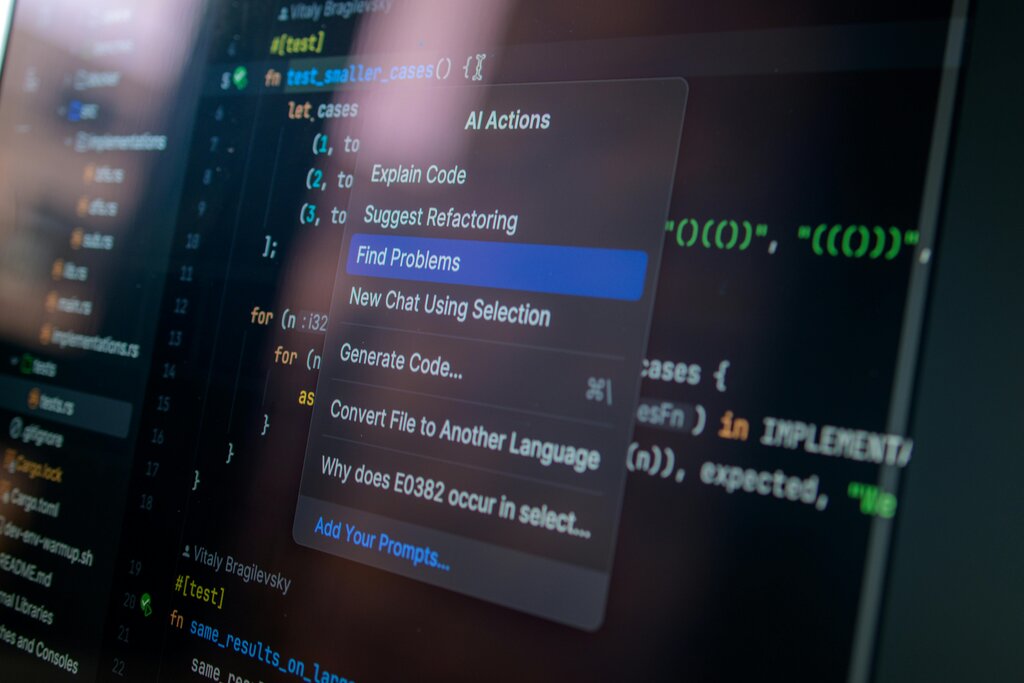
Ultimately, vibe coding is a powerful new tool in a programmer's toolkit. It represents a collaborative future where human creativity is amplified by artificial intelligence, changing not just how we code, but who gets to.
Ready to check your understanding?
What is the central concept of "vibe coding"?
According to the text, the developer's role in vibe coding shifts from a writer to more of a...
Vibe coding offers a glimpse into a future where creating software is more about conversation and less about syntax. By understanding its strengths and weaknesses, developers can leverage AI to build things faster and more creatively than ever before.