Vibe Coding Explained
Introduction to Vibe Coding
The New Way to Code
Instead of writing code line by line, what if you could just describe what you want your program to do and have it appear? That's the core idea behind vibe coding. It’s a way of developing software where you act as a director, giving high-level instructions to an AI, which then writes the actual code.
Vibe coding is the practice of creating software by describing what you want in natural language, letting artificial intelligence generate the code, and then refining it through conversation.
The developer’s job shifts from manually typing out syntax to guiding the AI, testing the results, and refining the instructions. It's an iterative, conversational process. This approach isn't about replacing developers, but changing how they work, allowing them to focus more on the bigger picture and less on the tiny details.
The term gained popularity after computer scientist Andrej Karpathy mentioned it in February 2025. He described a future where programming feels more like a collaboration with an intelligent assistant.
Core Principles
Vibe coding is built on a few key ideas that distinguish it from traditional programming.
First, it prioritizes intent over implementation. You focus on communicating what you want to achieve, not how to achieve it. Instead of worrying about the specific syntax of a programming language, you describe the desired outcome, the 'vibe' of the feature.
Second, it’s a conversational workflow. You don't just give one command and get a perfect program. It's a back-and-forth dialogue. You provide an initial prompt, the AI generates code, you test it, and then you provide feedback for the AI to make adjustments. This cycle of prompting, generating, and refining is central to the process.
Finally, evaluation is often outcome-focused. Rather than reading every single line of AI-generated code to check for correctness, developers often run the program to see if it works as expected. Does the button do what it's supposed to? Does the data look right? This allows for much faster experimentation and iteration.
A New Kind of Workflow
So how does this actually differ from writing code the old-fashioned way? In traditional coding, the process is very direct. A developer translates a problem into code, meticulously crafting each function and variable. It requires a deep understanding of syntax and logic from the very beginning.
Vibe coding abstracts away much of that initial groundwork. The developer’s role becomes more strategic. They are the architect guiding the AI, which acts as a highly skilled but literal-minded builder. This allows for incredibly rapid prototyping. An idea for an app feature can go from concept to a working version in a fraction of the time.
This also makes software development more accessible. A person with a clear vision but limited coding experience can use vibe coding to bring their ideas to life. The focus shifts from the craft of writing perfect code to the art of clearly communicating an idea and evaluating the result.
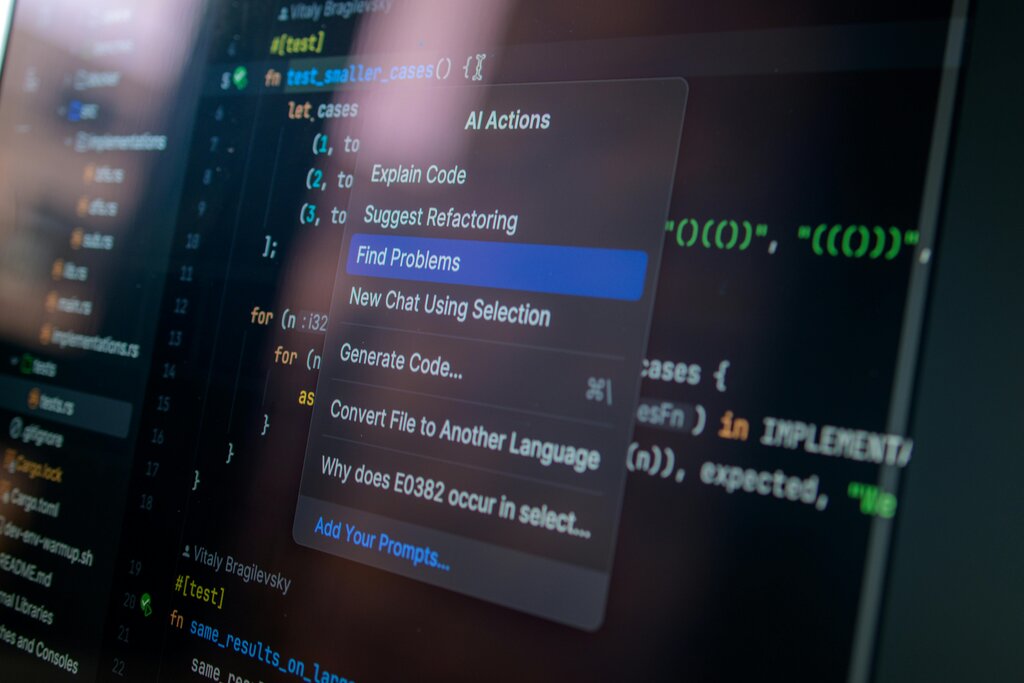
This doesn't mean the developer is passive. Skill is still required, but it's a different kind of skill. It involves crafting effective prompts, understanding how to test and validate the AI's output, and knowing when to step in and make manual adjustments.
What is the primary focus of a developer when using the "vibe coding" approach?
The workflow in vibe coding is best described as a conversational and iterative cycle.
Vibe coding represents a fundamental shift in how we interact with computers to build software. It's a collaborative process that leverages the speed of AI while keeping the developer's vision and judgment at the center.