Vibe Coding Explained
Introduction to Vibe Coding
What is Vibe Coding?
Instead of writing every line of code yourself, what if you could just describe what you want an application to do? That's the core idea behind vibe coding. It's a way of developing software by talking to an AI in plain English.
You give a large language model (LLM) a prompt, describing the goal or the 'vibe' of the software you want to create. The AI then generates the code for you. Your job shifts from being a writer of code to a director, guiding the AI, refining its output, and spotting any errors.
Vibe coding is the practice of creating software by describing what you want in natural language, letting artificial intelligence generate the code, and then refining it through conversation.
The term was coined by AI researcher Andrej Karpathy in early 2025. It captures the intuitive, conversational, and sometimes unpredictable nature of this new development process. It's less about strict syntax and more about conveying intent.
The AI Behind the Vibe
Vibe coding is powered by large language models, or LLMs. These are complex AI systems trained on vast amounts of text and code from the internet. Because they've seen so many examples, they are incredibly good at recognizing patterns and generating new, human-like text, including source code.
The process works like a conversation. You start with a high-level prompt, like "Build a simple timer app with a start, stop, and reset button." The LLM provides a first draft of the code. You then review it and ask for changes: "Okay, now make the background color dark blue and the numbers white."
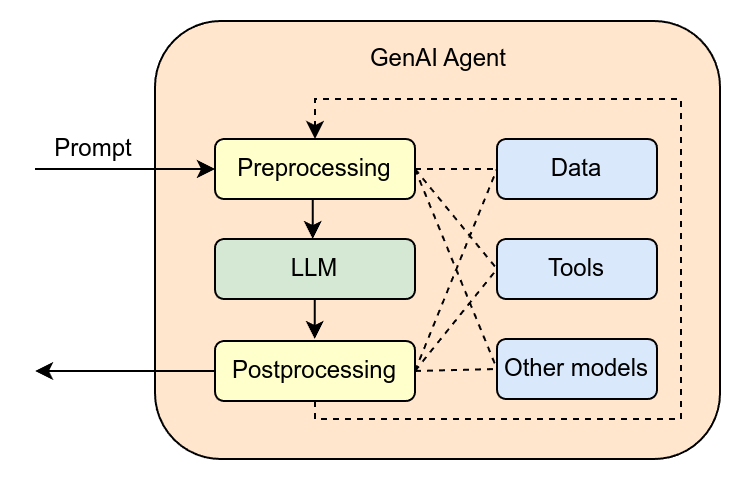
This back-and-forth continues until the application meets your requirements. The developer guides the AI's generation process, acting as a quality check and creative director rather than a manual laborer typing out code line by line.
How It Compares
Vibe coding is a major departure from traditional software development. The fundamental skills and workflows are different.
| Feature | Traditional Coding | Vibe Coding |
|---|---|---|
| Developer's Role | Write code line-by-line | Direct, prompt, and refine AI output |
| Primary Skill | Syntactical precision | Clear communication, critical thinking |
| Process | Structured, methodical | Iterative, conversational |
| Speed | Can be slow, detail-oriented | Very fast for prototypes and simple tasks |
| Barrier to Entry | High (requires learning languages) | Low (accessible to non-programmers) |
Advantages and Challenges
The biggest advantage of vibe coding is speed. What used to take days or weeks can now be prototyped in hours or even minutes. This opens the door for people without formal programming training to build their own tools and applications.
However, this approach comes with challenges. The code generated by an AI might not always be efficient, secure, or even correct. It can contain subtle bugs or security vulnerabilities that a novice might miss.
With vibe coding, the developer is responsible for the final product, not the AI. Thorough testing and review are more important than ever.
Think of it like using a powerful calculator. It can do the math for you instantly, but you still need to know which numbers to punch in and whether the final answer makes sense in the real world. Relying on the AI blindly can lead to problems. The quality of the output depends heavily on the quality of the prompts and the diligence of the human reviewer.
Now, let's review what you've learned.
What is the core idea behind 'vibe coding'?
In the vibe coding process, the developer's primary role shifts from writing code line-by-line to...
Vibe coding changes the developer's role from a writer to an editor and director. By leveraging AI, it makes software development faster and more accessible, but also demands a new level of critical oversight.