Vibe Coding Explained
Introduction to Vibe Coding
What Is Vibe Coding?
Instead of writing every single line of code yourself, imagine describing what you want your program to do in plain English. You'd tell an AI, "Build me a simple website with a blue header and a contact form," and it would generate the code for you. This back-and-forth process of building software through conversation with an AI is called vibe coding.
Vibe coding is a way of building software where you express intent in natural language, let an AI (usually a large language model) generate runnable code, and iterate on the live behavior rather than painstakingly authoring every line yourself.
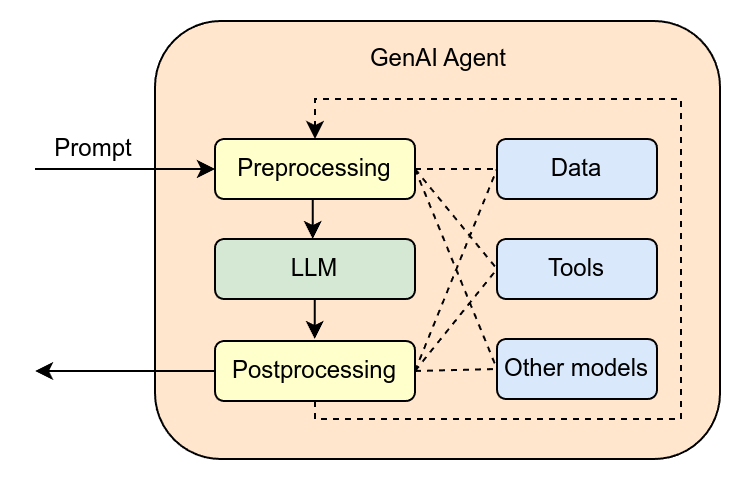
The engine powering this new approach is a Large Language Model, or LLM. These are complex AI systems trained on vast amounts of text and code. They can understand the nuances of human language and translate a high-level description—the "vibe"—into functional source code. The developer's job shifts from being a meticulous writer to being a creative director, guiding the AI, testing its output, and refining the results through feedback.
A New Way to Build
Traditional programming is a precise, deliberate craft. A developer meticulously plans the logic, chooses the right syntax, and writes code line by line. Debugging often involves hunting down a single misplaced semicolon or a logical error buried deep in the code.
Vibe coding turns this process into a dialogue. The initial prompt might not produce the perfect result, but that's part of the workflow. The developer then refines the prompt, asking the AI to make changes, add features, or fix bugs. It’s an iterative loop of conversation and experimentation.
| Feature | Traditional Coding | Vibe Coding |
|---|---|---|
| Developer's Role | Architect & Builder | Director & Editor |
| Process | Manual, line-by-line | Conversational, iterative |
| Focus | Syntax & detailed logic | High-level intent & results |
| Initial Output | A small, perfect piece | A functional prototype |
Origin of the Term
The term "vibe coding" was first introduced by computer scientist Andrej Karpathy in February 2025. His idea captured a shift that was already beginning to happen as powerful AI coding assistants became more widespread. The name perfectly describes the intuitive, feeling-based approach of guiding an AI to a desired outcome rather than dictating every step.
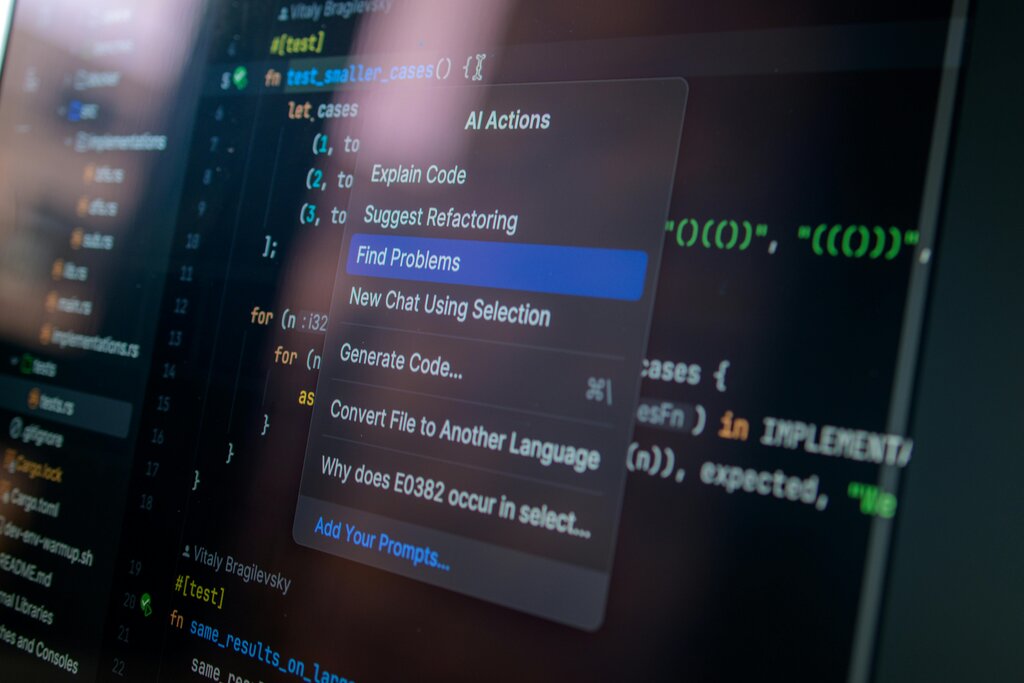
Today, companies like OpenAI (with ChatGPT and Codex), Google (with Gemini), and GitHub (with Copilot) are at the forefront of this landscape. Their tools are integrating more deeply into the developer's daily workflow, making vibe coding not just a novelty but a practical and increasingly common way to build software.
Now, let's test your understanding of these core concepts.
What is the core idea behind 'vibe coding'?
In the vibe coding workflow, the developer's role shifts from being a meticulous code writer to more of a creative director.
Vibe coding represents a significant change in how we think about software development, moving from direct instruction to creative collaboration with AI.