Vibe Coding Explained
Introduction to Vibe Coding
What Is Vibe Coding?
Imagine telling a story to a computer and having it write the code for you. That's the core idea behind vibe coding. Instead of writing precise lines of code in a programming language like Python or JavaScript, you describe what you want to create using everyday, natural language. The computer, powered by artificial intelligence, then translates your description into functional code.
Vibe coding is the practice of creating software by describing what you want in natural language, letting artificial intelligence generate the code, and then refining it through conversation.
The name comes from the idea that you're not just giving instructions; you're also conveying a 'vibe'—the style, tone, and overall feel of the desired output. It’s a more intuitive and creative process, closer to brainstorming with a partner than methodically building with bricks. You guide the AI through a conversation, refining the results until they match your vision.
The Engine Behind the Vibe
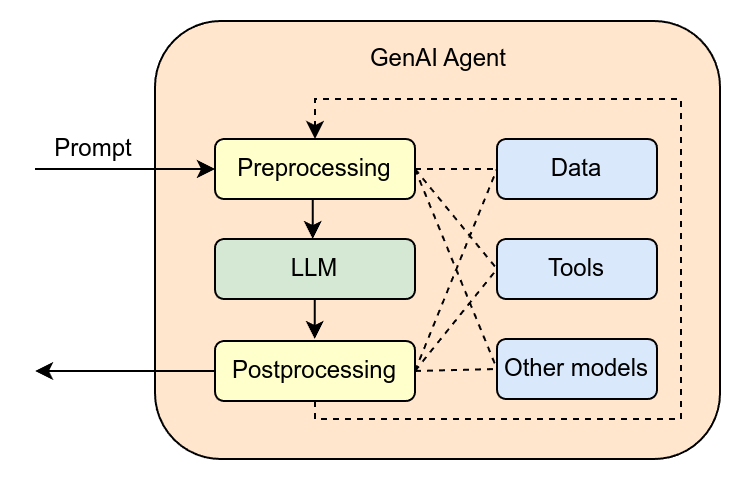
This new approach is made possible by Large Language Models, or LLMs. These are complex AI systems trained on immense amounts of text and code from the internet. By processing this data, LLMs learn the patterns, syntax, and logic of both human language and various programming languages.
When you give an LLM a prompt like, "Create a simple website with a blue header and a button that says 'Click Me,'" it uses its training to predict the most likely HTML and CSS code that accomplishes that goal. It's a predictive process, not a rigid one, which allows for the flexibility and conversational nature of vibe coding.
A New Way to Build
Vibe coding changes the fundamental role of the developer. Instead of focusing on syntax and memorizing commands, the developer acts more like a creative director or architect. Their main job is to clearly articulate their vision and guide the AI toward the desired outcome. This shift makes software development more accessible and speeds up the process of turning an idea into a working prototype.
Let's see how the two approaches stack up.
| Aspect | Traditional Coding | Vibe Coding |
|---|---|---|
| Developer's Role | Writer, engineer | Director, architect |
| Primary Input | Precise code syntax | Natural language prompts |
| Process | Methodical, line-by-line | Iterative, conversational |
| Focus | Logic and structure | Vision and user experience |
The key benefit of using natural language is the removal of barriers. You no longer need to be fluent in a specific programming language to start building. This allows for rapid experimentation and empowers people from non-technical backgrounds to bring their ideas to life. The focus shifts from how to code something to what you want to create.
What is the core idea of 'vibe coding'?
What technology is the primary driver that makes vibe coding possible?
Vibe coding represents a significant shift, making software creation a more collaborative and intuitive process between humans and AI.